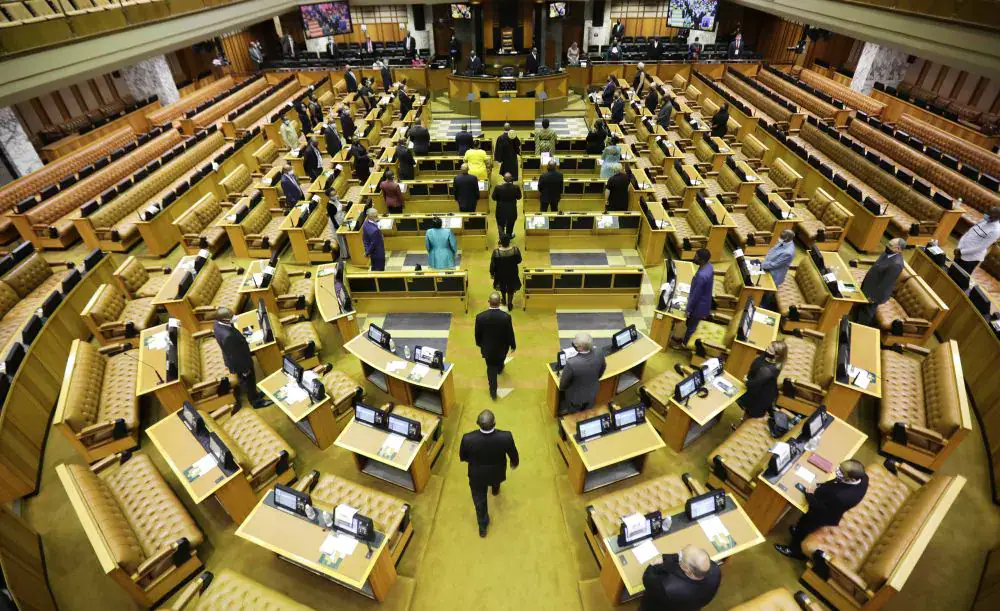
President Cyril Ramaphosa has approved a 3.5% salary increase for members of Parliament, ministers, and deputy ministers, effective from April 2026. This decision has been met with criticism from political analysts and unions, who argue that it is an "insult" to ordinary citizens struggling with the high cost of living and unemployment. The salary hike is based on recommendations by the Independent Commission for the Remuneration of Public Office-Bearers.
The salary increase applies to members of Parliament, ministers, deputy ministers, permanent delegates to the National Council of Provinces, premiers, and members of provincial executive councils and legislatures. According to the commission, the adjustment is based on several economic and institutional factors, including fiscal affordability, historic inflation, and average annual wage increments. However, critics argue that the increase is unjustified, given the country's severe unemployment and poverty rates.
South Africa's official unemployment rate reached 33.6% in Q2 2026 and 33.7% in Q3 2026, with close to 60% of the population living below the upper-middle-income poverty line. Meanwhile, parliamentarians and ministers enjoy extensive state-funded perks and above-average remuneration packages. According to the Guide for Members of the Executive, cabinet ministers receive annual salaries of roughly R2.79 million, plus taxpayer-funded perks and allowances.
Ministers are entitled to live rent-free in two state-owned properties, with full state-funded maintenance, and are provided with state-purchased vehicles and 24-hour security protection. They are also entitled to up to 20 single economy class domestic flights per year for non-official use, as well as official laptops, tablets, and mobile phones. The total cost of these perks and salaries is substantial, with estimates suggesting that each minister costs around R8.9 million per year.
Political analysts and unions have strongly criticized the salary increase, arguing that it erodes public trust in the political system and entrenches existing inequality. Kim Heller, a political analyst, said that the decision creates an "awful public image" and fuels discontent among ordinary citizens. Hlumelo Xaba, a political and governance expert, added that the salary increases for ministers justify the criticism that the political elite are detached from the reality of ordinary citizens.
The General Industries Workers Union of South Africa (Giwusa) President Mametlwe Sebei argued that the substantial taxpayer-funded perks and salaries of politicians insulate the political elite from failing public services. Sebei added that raising salaries for politicians amid high unemployment and low social grants reflects unjust class power. Cosatu also criticized the salary increases, arguing that they are unjustifiable given the current economic climate.
The criticism of the salary increase has also led to calls for greater transparency and accountability in public sector wage negotiations. Cosatu suggested that the Remuneration Commission should be required to gather public feedback on pay proposals before seeking presidential approval. The union also argued that salary increases for public representatives should be tied to their performance and institutional oversight.
Key points
- President Cyril Ramaphosa approves 3.5% salary hike for MPs, ministers, and deputy ministers despite high unemployment and poverty rates.
- Critics argue that the salary increase is an "insult" to ordinary citizens struggling with the high cost of living and unemployment.
- The salary increase has sparked calls for greater transparency and accountability in public sector wage negotiations.
Reporting sources
- 3.5% pay rise for MPs and ministers sparks criticism amid unemployment crisis · The Independent on Saturday