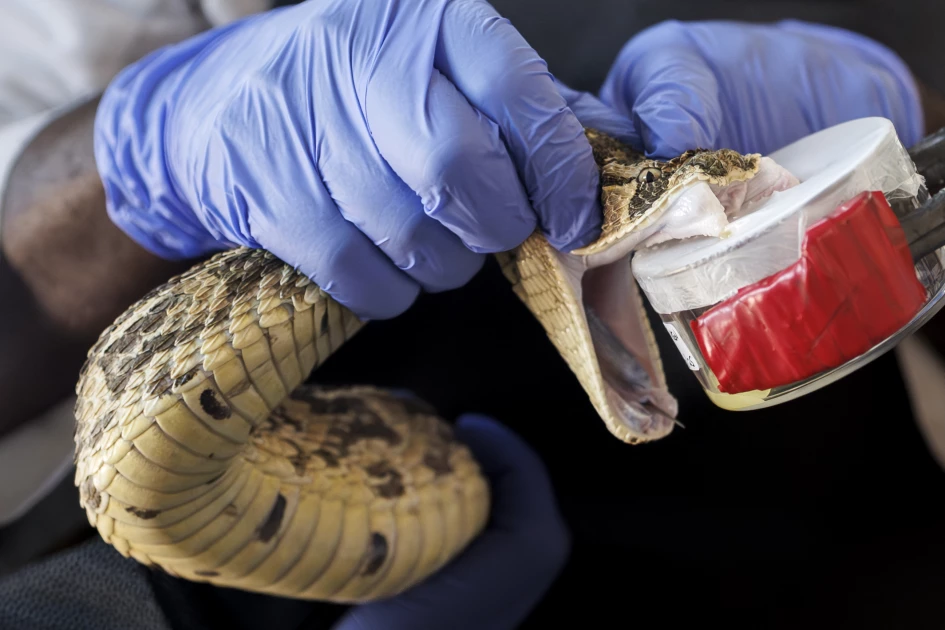
Snakebites have become a major public health concern in Kenya, with over 1,000 people losing their lives every year. According to Public Health and Professional Standards PS Mary Muthoni, the government is taking deliberate steps to reduce deaths and long-term disabilities caused by snakebites. The issue was highlighted during the International Snakebite Awareness Day in Baringo County, where Muthoni emphasized the need for the public to be aware of the risks and take necessary precautions.
The Kenyan government has intensified efforts to prevent snakebites, improve reporting, and ensure victims receive timely treatment. More than 19,000 people are affected by snakebite envenoming annually, with rural and pastoral communities, as well as children, being at greater risk. To address this issue, the Ministry of Health has introduced mandatory reporting of snakebite cases through the Kenya Health Information System at all health facility levels.
The government has also strengthened community monitoring through the Electronic Community Health Information System, which helps identify and report cases from the grassroots level. Additionally, over 5,000 Community Health Promoters have been trained in counties where snakebites are common. These health promoters are being prepared to identify households facing snakebite risks, educate residents on prevention, and provide proper first aid.
A county-by-county mapping exercise has been completed to identify snakebite hotspots, which will guide the targeted distribution of antivenom and improve emergency response in high-risk areas. Baringo County, which has been identified as a high-risk area, hosted this year's national awareness event. The government is also working to strengthen the country's ability to produce and assess antivenom locally.
Through the Kenya Institute of Primate Research, Kenya is developing its first domestically produced antivenom based on venom profiles from relevant snake species. A National Antivenom Quality Control Laboratory is being established at the Kenya Institute of Primate Research to ensure the treatment used for snakebite victims meets the required standards. This move aims to improve access to effective treatment and reduce the number of deaths and disabilities caused by snakebites.
The government has also incorporated snakebite surveillance into mass drug administration campaigns, allowing for the collection of community-level data and strengthening surveillance. Kenya is also part of international efforts to address the issue of snakebites, with PS Muthoni co-chairing the Global Snakebite Taskforce and leading a Member State side event at the 78th World Health Assembly in Geneva.
This year's International Snakebite Awareness Day was observed under the theme "Know it. Respect it. Survive it". The national event in Baringo brought together students, teachers, Community Health Promoters, and members of the public to promote awareness of snakebite risks and the steps that can be taken after an incident. Muthoni urged Kenyans living in snakebite-prone areas to focus on prevention, correct first aid, and seeking medical attention as early as possible.
Key points
- The Kenyan government has introduced mandatory reporting of snakebite cases to improve tracking and response to the issue.
- Over 5,000 Community Health Promoters have been trained to identify households at risk and provide education on prevention and first aid.
- Kenya is developing its first domestically produced antivenom to improve access to effective treatment.