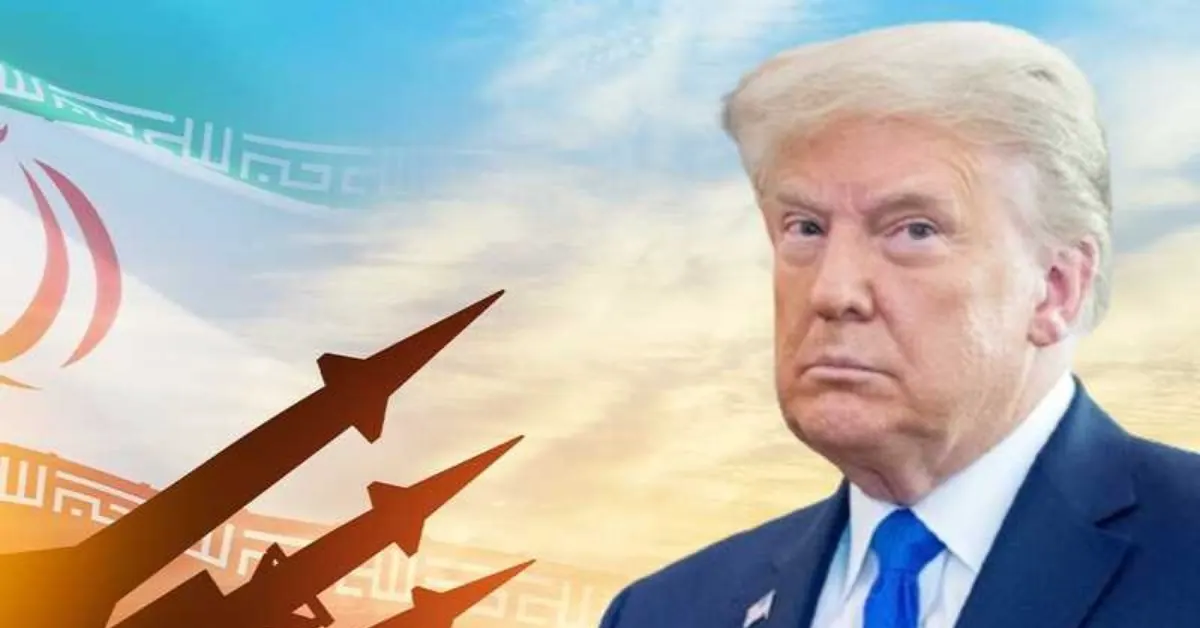
The US and Iran have increased their military preparedness, fueling concerns about a possible escalation in the region. According to reports, US President Donald Trump returned to the White House after leaving Camp David, while Defense Secretary Pete Hegseth headed to Washington, amid speculation about high-level security and military consultations. These developments come as tensions in the region continue to rise, particularly with ongoing Houthi attacks and growing concerns about maritime security and energy supplies.
The US has not made an official announcement about a new military operation, but reports suggest that American officials are discussing possible military options to address developments in Yemen. This comes as the region closely monitors US military movements, with a significant American military presence in the region and the use of European bases to support military operations in the Middle East. Diplomatic missions in several Middle Eastern countries have also issued security alerts to US citizens due to rising regional tensions.
Iran has raised its military readiness to "maximum level," according to local media reports. The Iranian military is reportedly monitoring its adversaries and has developed plans to respond to potential air, land, and sea scenarios. These plans allegedly include launching extensive strikes against US and Israeli military forces and interests in the region, although the details of these threats could not be independently verified.
The current situation presents two parallel paths: a military one, with increased readiness and operational reviews, and a diplomatic one, with ongoing efforts to reopen channels between Washington and Tehran. The involvement of the Yemeni front in the conflict adds complexity to US calculations, given recent Houthi attacks and growing concerns about Red Sea security and energy supply routes.
Despite the heightened tensions, there has been no official US announcement about a new military operation. The movements of US officials and Iran's increased readiness are seen as indicators of a state of alert and accelerated consultations, rather than conclusive evidence of an imminent strike. The region remains on high alert, with many watching to see how the situation will unfold.
The developments in the region have sparked concerns about a potential conflict between the US and Iran. The two countries have been at odds since the US withdrew from the nuclear deal and reimposed sanctions on Iran. The situation has been further complicated by the ongoing conflict in Yemen, where the Houthis have been launching attacks on Saudi Arabia and the UAE.
The international community is closely monitoring the situation, with many countries calling for restraint and diplomatic efforts to resolve the crisis. The UN Secretary-General has urged all parties to exercise caution and to seek a peaceful resolution to the conflict. As the situation continues to unfold, one thing is clear: the region is on high alert, and the world is watching with bated breath.
Key points
- The US and Iran have increased their military readiness levels amid rising tensions in the region.
- The situation has sparked concerns about a potential conflict between the two countries.
- The international community is calling for restraint and diplomatic efforts to resolve the crisis.