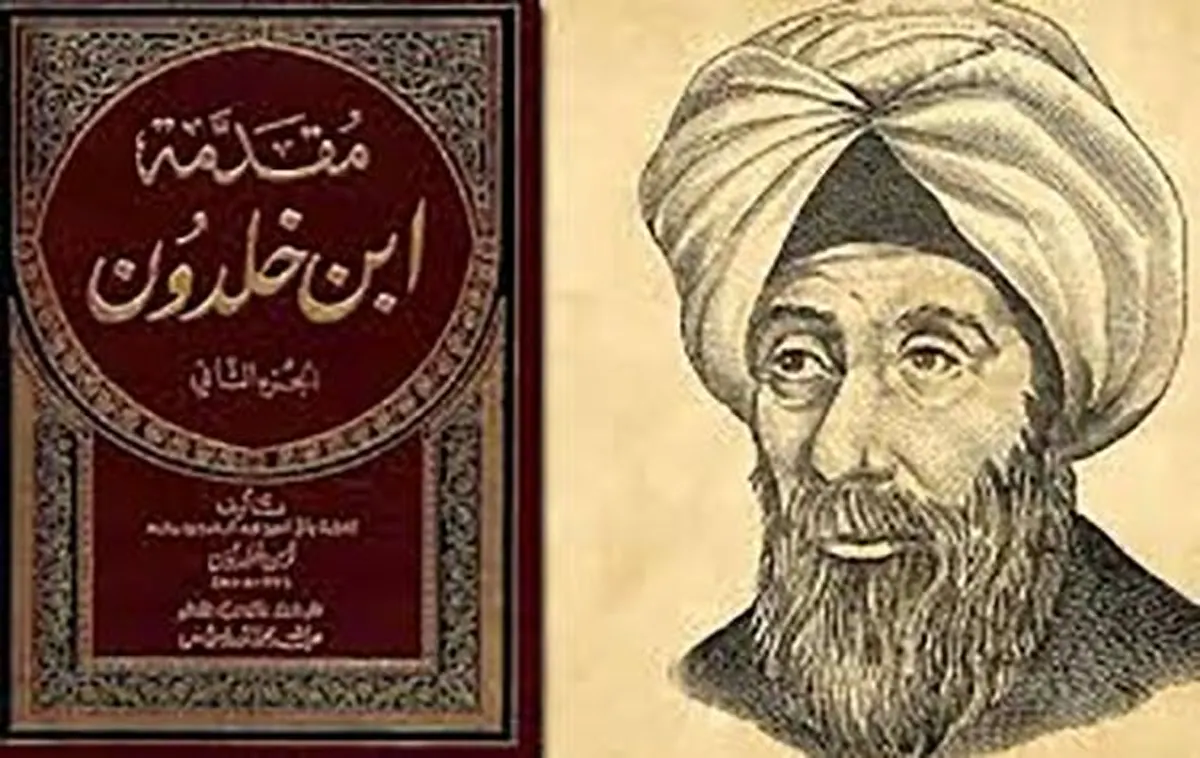
The Tunisian Permanent Delegation to UNESCO announced that the country's bid to inscribe Ibn Khaldun's renowned book, 'The Muqaddimah', in the Memory of the World Register is currently under evaluation. This bid is part of a joint nomination with Algeria, Egypt, and Turkey for the 2026-2027 cycle of the Memory of the World program. The evaluation process involves expert committees at UNESCO, with a decision expected during the Executive Board meeting in spring 2027.
Tunisia took the lead in preparing the nomination dossier, leveraging the historical and scientific significance of 'The Muqaddimah' as a key intellectual work tied to the region's history. Ibn Khaldun's connection to Tunisia and other countries that contributed to preserving and disseminating his manuscript played a crucial role in this joint bid. The dossier preparation began in 2017 but was temporarily halted, according to Abd al-Hamid al-Arqash, General Coordinator of the International Committee to Support the Registration of 'The Muqaddimah' in the Memory of the World Register.
The joint nomination underscores the transnational nature of the manuscript's heritage, as Ibn Khaldun wrote 'The Muqaddimah' during his travels between Tunisia, Algeria, Morocco, and Egypt. Various countries, including Turkey, possess copies and manuscripts of the work. To promote the historical and scientific significance of Ibn Khaldun and support the bid, the Committee for the Registration of 'The Muqaddimah' organized a cultural tour in Tunis's old city in April 2024, titled 'A Journey in Ibn Khaldun's Footsteps'.
The cultural tour included visits to the Tunis City Library 'Dar Ben Achour', the Khaldunian Library, Ibn Khaldun's birthplace, and the Quranic school where he received his early education. Historian Abd al-Sattar Amamou accompanied the participants, providing insights into Ibn Khaldun's early life, his family's history, and his scientific formation. The tour aimed to highlight the significance of 'The Muqaddimah' and Ibn Khaldun's legacy.
Al-Arqash previously stated that the goal of the joint dossier was to emphasize 'The Muqaddimah' as a documentary heritage with a shared human dimension, given the widespread study and translation of Ibn Khaldun's works in Arab and Western countries. The participating countries are awaiting the evaluation results from UNESCO's expert committees, which will determine the documentary heritage to be inscribed in the Memory of the World Register for the 2026-2027 cycle.
The Memory of the World Register recognizes and preserves documentary heritage that holds significant cultural, historical, or scientific value. Inscription in the register would acknowledge 'The Muqaddimah' as a vital part of humanity's shared cultural heritage. The bid's success would not only honor Ibn Khaldun's legacy but also promote cross-cultural understanding and cooperation among the participating countries.
As the evaluation process nears its conclusion, stakeholders are eagerly anticipating UNESCO's decision. The inscription of 'The Muqaddimah' in the Memory of the World Register would be a testament to the enduring impact of Ibn Khaldun's work and the collaborative efforts of Tunisia, Algeria, Egypt, and Turkey to preserve and promote their shared cultural heritage.
Key points
- Tunisia leads a joint bid with Algeria, Egypt, and Turkey to inscribe Ibn Khaldun's 'The Muqaddimah' in UNESCO's Memory of the World Register.
- The bid highlights the transnational significance of 'The Muqaddimah' as a documentary heritage with a shared human dimension.
- A decision on the inscription is expected during UNESCO's Executive Board meeting in spring 2027.