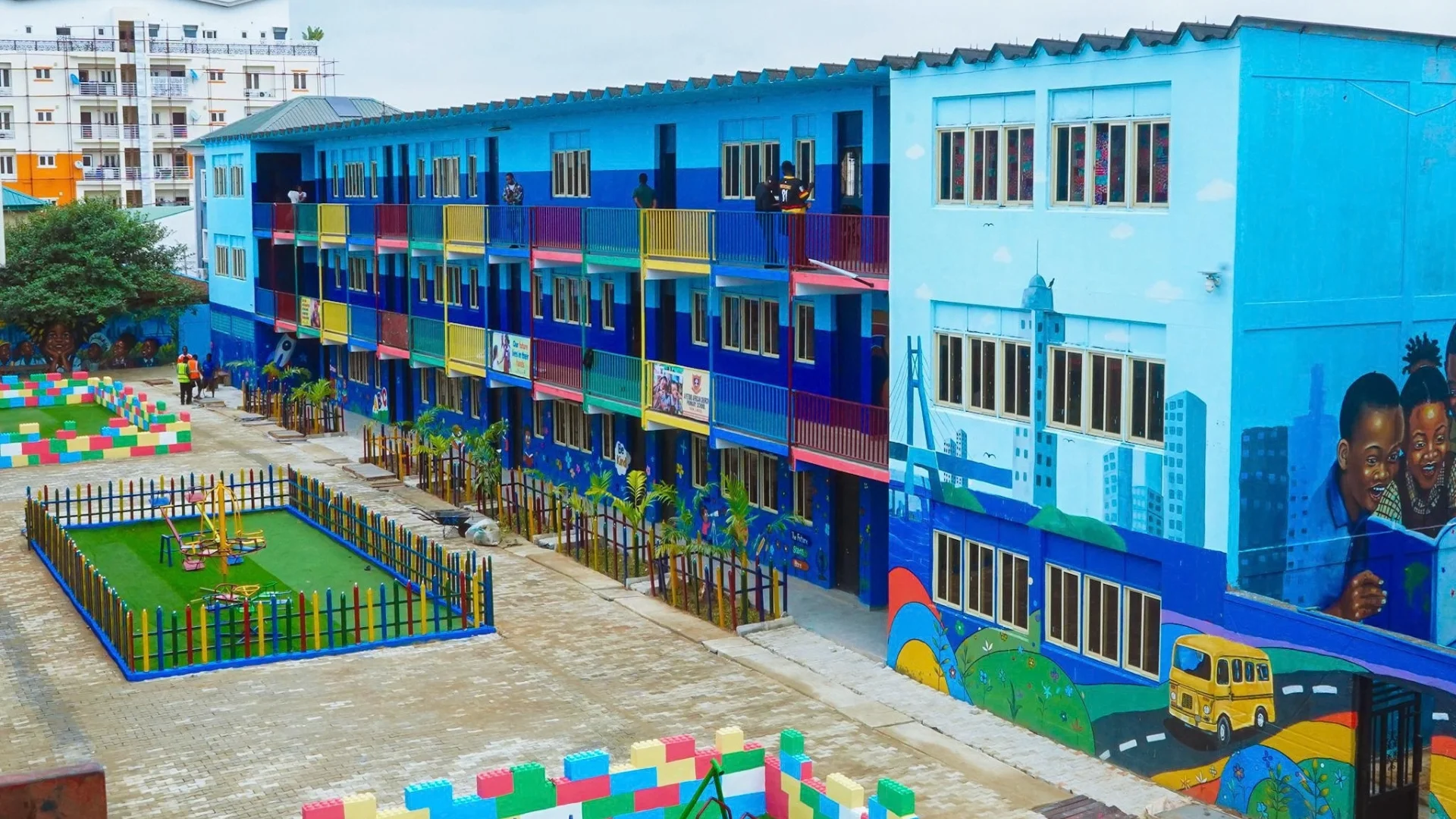
Slum2School Africa has launched the first phase of its Lagos Model Primary School Project in Makoko, Lagos. The project involves the renovation and upgrading of facilities at three public primary schools in the community: Aiyetoro African Primary School, Adekunle Anglican Primary School, and Makoko Anglican Primary School. The initiative aims to create a more conducive learning environment for children in the waterfront community.
The first phase, unveiled at Aiyetoro African Primary School, includes improvements to classrooms, sanitation facilities, recreational areas, and technology infrastructure. The project was implemented in partnership with the Lagos State Universal Basic Education Board (LASUBEB) and the state Ministry of Education. The upgrades include Early Childhood Education classrooms, primary classrooms, a library, digital computer room, STEM and Innovation Lab, sanitation and WASH facilities, sick bay, music room, and an Enterprise Development Centre/Home Economics room.
The school environment also received recreational facilities, including a football pitch and multipurpose courts for basketball, volleyball, and lawn tennis, as well as improved play areas and interlocked outdoor spaces. A total of 10 existing nursery and primary classrooms at Aiyetoro African Primary School were renovated and adapted to provide more age-appropriate learning spaces, while another 12 primary classrooms were refurbished. Additionally, a solar-powered water borehole and renovated toilets were installed to improve access to water and sanitation for pupils and staff.
The commissioning ceremony was attended by representatives of government, education institutions, development organisations, and the Makoko community. Notable attendees included the Norwegian Ambassador to Nigeria, Svein Baera; Vice-Chancellor of the University of Lagos, Prof. Folasade Ogunsola; and representatives of LASUBEB and the Lagos State Government. The event also drew education stakeholders, community leaders, teachers, volunteers, and families.
Prof. Folasade Ogunsola noted that the initiative provided an example of the standard that public schools could work towards. She emphasised that scaling similar interventions could contribute to improvements in the quality of education available to children and, in the longer term, strengthen the preparation of students progressing through the education system. The project places emphasis on early childhood education, digital literacy, science and technology, creative development, sports, and children’s welfare.
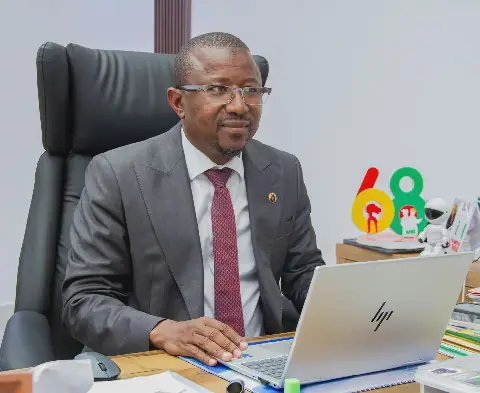
Barrister Tajudeen Tijani highlighted the importance of partnerships between government, communities, and civil society organisations in strengthening existing public education infrastructure. He noted that the transformation of Aiyetoro African Church Primary School demonstrates what can be achieved when investment in public education is matched with strong partnerships and a clear understanding of what children need to learn and thrive. The project reflects Slum2School Africa's view that improving education outcomes in underserved communities requires attention not only to school enrolment but also to the environment in which children learn.
Executive Director of Slum2School Africa, Orondaam Otto, stated that the Makoko project was designed to go beyond the physical renovation of school buildings. He emphasised that the organisation wants public schools to provide environments where parents, irrespective of income, can feel confident sending their children. The Lagos Model School Project aims to demonstrate how existing government-owned schools can be improved through targeted investment in infrastructure, technology, learning resources, child wellbeing, and community participation, with the goal of adapting the model to other public schools in Lagos and elsewhere.
Key points
- The project was implemented in partnership with LASUBEB and the Lagos State Ministry of Education.
- The initiative aims to create a more conducive learning environment for children in the waterfront community.
- The project places emphasis on early childhood education, digital literacy, science and technology, creative development, sports, and children’s welfare.