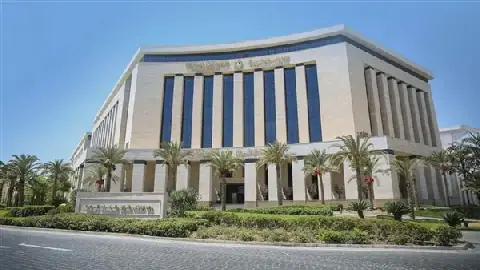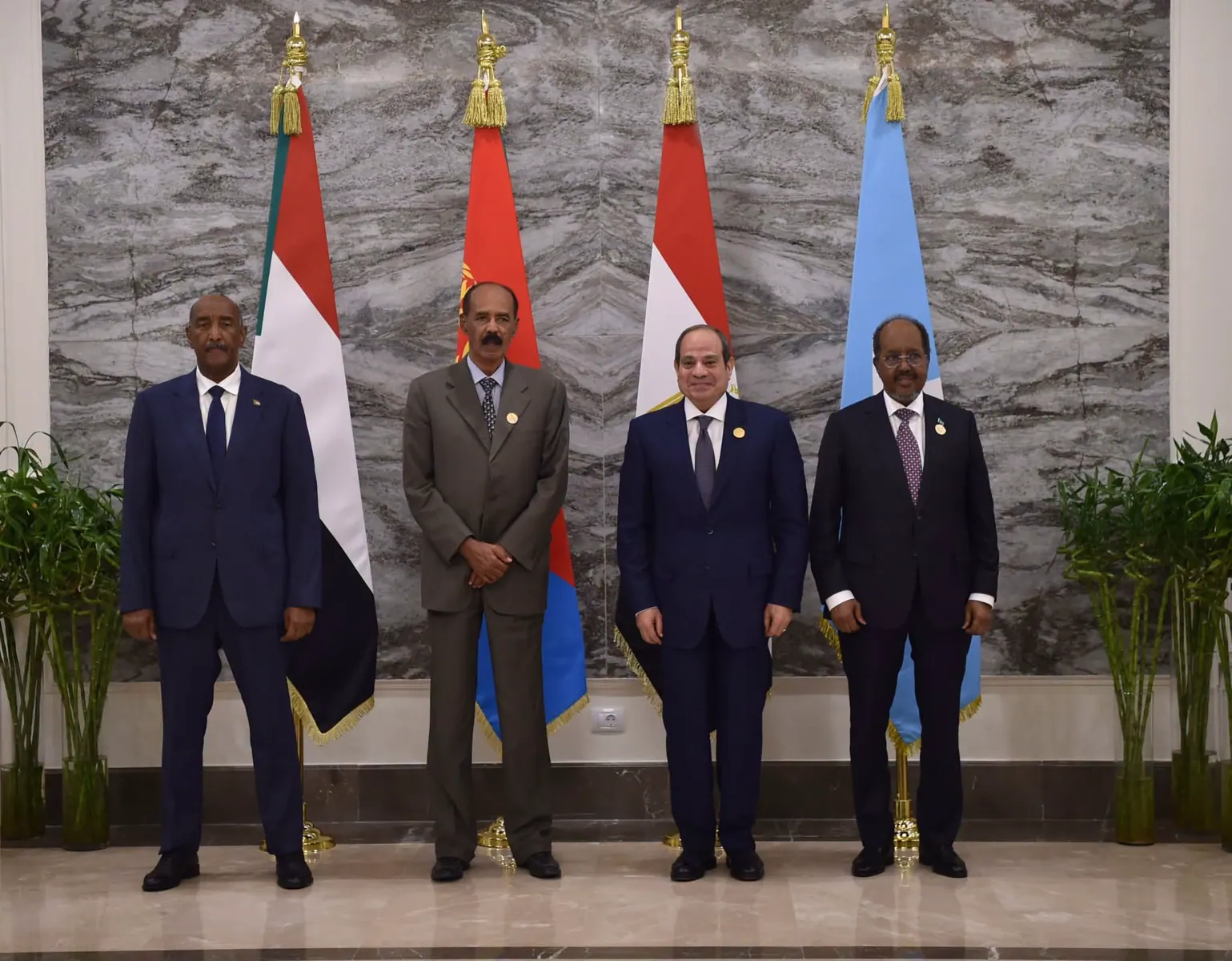
On October 4, 2026, President Abdel Fattah el-Sisi convened a four-way consultative summit in New Alamein, Egypt, with leaders from Eritrea, Somalia, and Sudan. The meeting aimed to strengthen coordination and cooperation among the four countries, focusing on developments across Africa and the Red Sea. The leaders discussed regional issues of shared concern, reaffirming their commitment to continued consultation amidst multiple common challenges.
The summit emphasized respect for state sovereignty, unity, and territorial integrity, as well as support for national institutions and peaceful dispute resolution. President el-Sisi reviewed Egypt's efforts to achieve ceasefires and comprehensive political settlements, warning against external interventions that prolong conflicts and worsen humanitarian suffering. He also stressed Egypt's rejection of actions undermining state unity, citing violations of international law and the African Union's Constitutive Act.
The leaders exchanged views on the Horn of Africa, highlighting the need for intensified coordination to tackle shared challenges and protect regional security and stability. They emphasized the importance of enhancing prospects for development and economic integration among regional countries. The summit also addressed the necessity of upholding international legal rules governing transboundary rivers, including the Nile, and rejecting unilateral measures harming existing water uses of downstream states.
The participating leaders appreciated President el-Sisi's initiative, praising Egypt's historical relations with the other countries. They reaffirmed the need to ensure security and stability in the Red Sea, protecting international navigation in the Gulf of Aden and the Bab-el-Mandeb strait. The gathering followed separate meetings between President el-Sisi and the other leaders on Saturday and Sunday.
The summit occurred amidst diplomatic tensions in the region, including expulsions of diplomats between Ethiopia and Eritrea and the closure of Ethiopia's embassy in Eritrea. Ethiopia faced accusations of supporting an opposition alliance, which it denied, while Egypt, Eritrea, and Sudan rejected similar allegations. The leaders addressed long-running disputes connected to the Nile, Ethiopia's position, and regional security dynamics involving the Red Sea corridor.
The four-way summit highlighted Egypt's role in promoting regional cooperation and stability. President el-Sisi's initiative brought together leaders from countries with shared interests and concerns, demonstrating a commitment to collaborative problem-solving. The meeting's outcomes and future implications will be closely watched by regional and international observers.
In conclusion, the four-way summit in Alamein marked a significant effort to strengthen regional coordination and cooperation. The leaders' discussions and agreements underscored the importance of peaceful resolution, state sovereignty, and economic integration in addressing shared challenges. As the region continues to navigate complex dynamics, the outcomes of this summit will likely have lasting impacts on regional security and stability.
Key points
- The summit emphasized the importance of upholding international legal rules governing transboundary rivers, including the Nile.
- The leaders reaffirmed their commitment to continued consultation amidst multiple common regional challenges.
- Egypt's President el-Sisi initiated the summit to promote regional cooperation and stability.