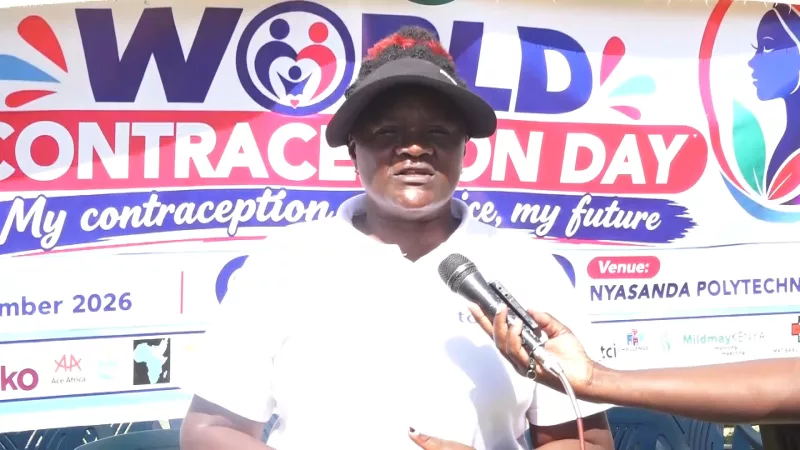
Siaya County, located in the Nyanza region of Kenya, is intensifying its efforts to tackle a significant unmet need for family planning services. According to the county's Reproductive, Maternal and Newborn Health coordinator, Pamela Josephine Anyango, 23.2% of the population has an unmet need for contraceptive services. To address this issue, the county is implementing community-based family planning campaigns and seeking greater involvement of men in reproductive health decisions.
The county has made progress in contraceptive uptake, with a rise from 46.3% to 52.1% according to the 2022 Kenya Demographic and Health Survey. However, the gains have not been evenly distributed across the region, with significant disparities among the county's six subcounties. Alego Usonga recorded the highest uptake, while Rarieda had the lowest at about 33.2%. Anyango attributed the improvement to door-to-door sensitization by Community Health Promoters (CHPs) and outreach services targeting underserved communities.
The county is relying on CHPs, integrated outreach programs, and increased public education to reach residents who continue to face barriers to accessing family planning services. Integrated outreach programs provide services including antenatal care, ultrasound examinations, counseling, and referrals for permanent contraceptive methods. Siaya County Director of Public Health, Kennedy Oruenjo, emphasized the need for greater participation of men in family planning decisions, stating that reproductive health should be treated as a shared responsibility within households.
Oruenjo also addressed concerns over access to healthcare during the ongoing health workers' strike, stating that contracted staff remained available to provide emergency services and conduct selected community outreaches. He urged residents requiring urgent medical attention to continue seeking care at health facilities. Ugunja Deputy County Commissioner, Josephat Musyoki, called for increased public education to counter myths and misinformation surrounding contraceptive methods.
Musyoki emphasized that access to family planning could help households plan the number and spacing of children, reduce unintended pregnancies, and contribute to improved economic well-being. County authorities have pledged to continue investing in community-level health interventions, training health workers, and maintaining supplies of reproductive health commodities to reduce gaps in access to family planning services.
The efforts to address the unmet need for family planning services in Siaya County are part of a broader strategy to improve reproductive health outcomes in the region. By engaging men in reproductive health decisions and increasing access to family planning services, the county aims to reduce unintended pregnancies and promote economic well-being.
The county's initiatives have shown promising results, with a notable increase in contraceptive uptake in some subcounties. However, more work needs to be done to address the remaining disparities and ensure that all residents have access to quality reproductive health services.
Key points
- The county aims to reduce the 23.2% unmet need for contraceptive services through community-based campaigns and increased public education.
- Siaya County is seeking greater involvement of men in reproductive health decisions to improve family planning outcomes.
- The county has made progress in contraceptive uptake, but significant disparities remain among its six subcounties.