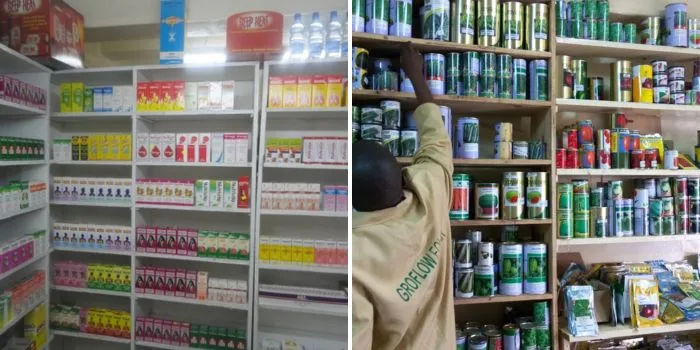
The Pharmaceutical Society of Kenya (PSK) is advocating for stricter licensing requirements for pharmacies, citing concerns that current county permits do not ensure compliance with professional and medicine-safety standards. PSK argues that pharmacies should obtain direct approval from the Pharmacy and Poisons Board (PPB) to verify premises, staff qualifications, and stocked medicines before a licence is granted. This push comes amid warnings of fake medicines in circulation.
The call for stricter licensing is prompted by the recent detection of falsified Lucentis (ranibizumab) 0.3 mg eye-injection products. The PPB issued a warning to the public after identifying these products through post-marketing surveillance activities. The society believes that reliance on county permits alone can create oversight gaps, as these permits do not confirm that a pharmacy's stock has been cleared by the national regulator.
Principal Secretary Mary Muthoni highlighted the risks associated with fake medicines during a meeting with the Kenya Healthcare Federation. She urged Kenyans to purchase drugs only from licensed pharmacies or authorised outlets. The PSK warns that current regulations can lead to situations where pharmacies operate without meeting required standards, putting public health at risk.
The PSK believes that stricter licensing would give them greater oversight, enabling them to identify and act against outlets that fail to meet required standards. The society's push for enhanced regulations aims to ensure that pharmacies adhere to strict guidelines, thereby safeguarding public health. This move is part of broader efforts to enhance medicine safety in Kenya.
The PPB continues to alert the public about suspected falsified and poor-quality medicines. Consumers are urged to buy only from properly licensed pharmacies and to report suspicious products to the PSK. This initiative aims to protect the public from the dangers of counterfeit medicines, which can have severe health implications.
The Pharmaceutical Society of Kenya's push for stricter licensing requirements is part of its efforts to enhance the regulation of pharmacies. By advocating for direct approval from the PPB, the society aims to ensure that pharmacies meet stringent standards, thereby reducing the risk of falsified medicines in the market. This move is expected to improve medicine safety and protect public health.
The issue of falsified medicines in Kenya highlights the need for enhanced regulation and oversight. The PSK's advocacy for stricter licensing requirements is a step towards addressing this challenge. With the support of regulatory bodies and healthcare professionals, the goal is to create a safer environment for medicine procurement and use in Kenya.
Key points
- The Pharmaceutical Society of Kenya is pushing for stricter pharmacy licensing to curb the circulation of falsified medicines.
- The PPB has warned the public about falsified Lucentis injections, prompting calls for enhanced regulation.
- Stricter licensing would give the PSK greater oversight to identify and act against non-compliant pharmacies.