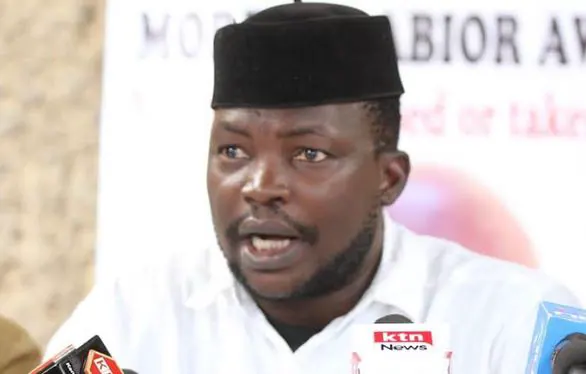
The trial of former First Vice President Dr. Riek Machar in South Sudan has been put on hold due to allegations of threats and intimidation against the accused. Machar, who was arrested in March 2025 alongside other SPLM-IO officials, has been demanding live television or radio coverage of the trial. This demand was initially granted at the start of the trial in 2025 but was later stopped during critical stages of the hearing. Machar's demand has sparked controversy, dividing the country into two equal halves.
Machar's demand for live coverage is supported by the court's precedent, as the trial was initially broadcast live on state-owned television, SSBC. The case is considered high-profile due to Machar's status as the then-incumbent first vice president. The decision to broadcast the case live was welcomed by the public, but the prosecution reportedly requested that the coverage be stopped to avoid public humiliation. Machar's lawyers argue that the court's decision to permit live broadcast during the opening of the case sets a precedent for his demand.
The trial has significant implications for South Sudan's politics, with thousands of people killed in Greater Upper Nile and Equatoria regions since 2025. Some armed factions have stated that they will only join the dialogue if Machar is released unconditionally. Machar's arrest and detention have been criticized, with some arguing that he was put under house arrest due to his status as first vice president, while his co-accused were taken to the National Security Service prison.
As an accused person, Machar has several rights granted by law, including the right to know why he was arrested, the right to remain silent, and the right to representation by a lawyer of his choice. He also has the right to be treated with dignity and respect, and the right to bail, which has been denied. Machar's co-accused, including former minister of petroleum Puot Kang Chol, have reported being humiliated and called names in detention.
Machar's demand for live coverage is not only a legal issue but also a political one. His insistence on being granted his constitutional right to speak and defend himself through live audio or video has been seen as an act of courage. The trial has highlighted the intersection of politics and law in South Sudan, with some arguing that the trial is a test of the country's justice system.
The court's decision on Machar's application to speak on live broadcast is likely to have significant implications for the trial and the country. If the court grants Machar's request, it could set a precedent for future high-profile cases. However, if the court denies the request, it could be seen as a departure from the court's previous decision and a limitation on the rights of accused persons.
The trial of Dr. Riek Machar is a critical test of South Sudan's justice system and its ability to handle high-profile cases. The court's decision on Machar's demand for live coverage will have significant implications for the country and its politics. As the trial continues, it remains to be seen how the court will balance the rights of the accused with the need for transparency and accountability in the justice system.
Key points
- Machar's demand for live TV coverage is supported by the court's precedent.
- The trial has significant implications for South Sudan's politics and stability.
- Machar's rights as an accused person, including the right to bail and dignity, have been highlighted during the trial.