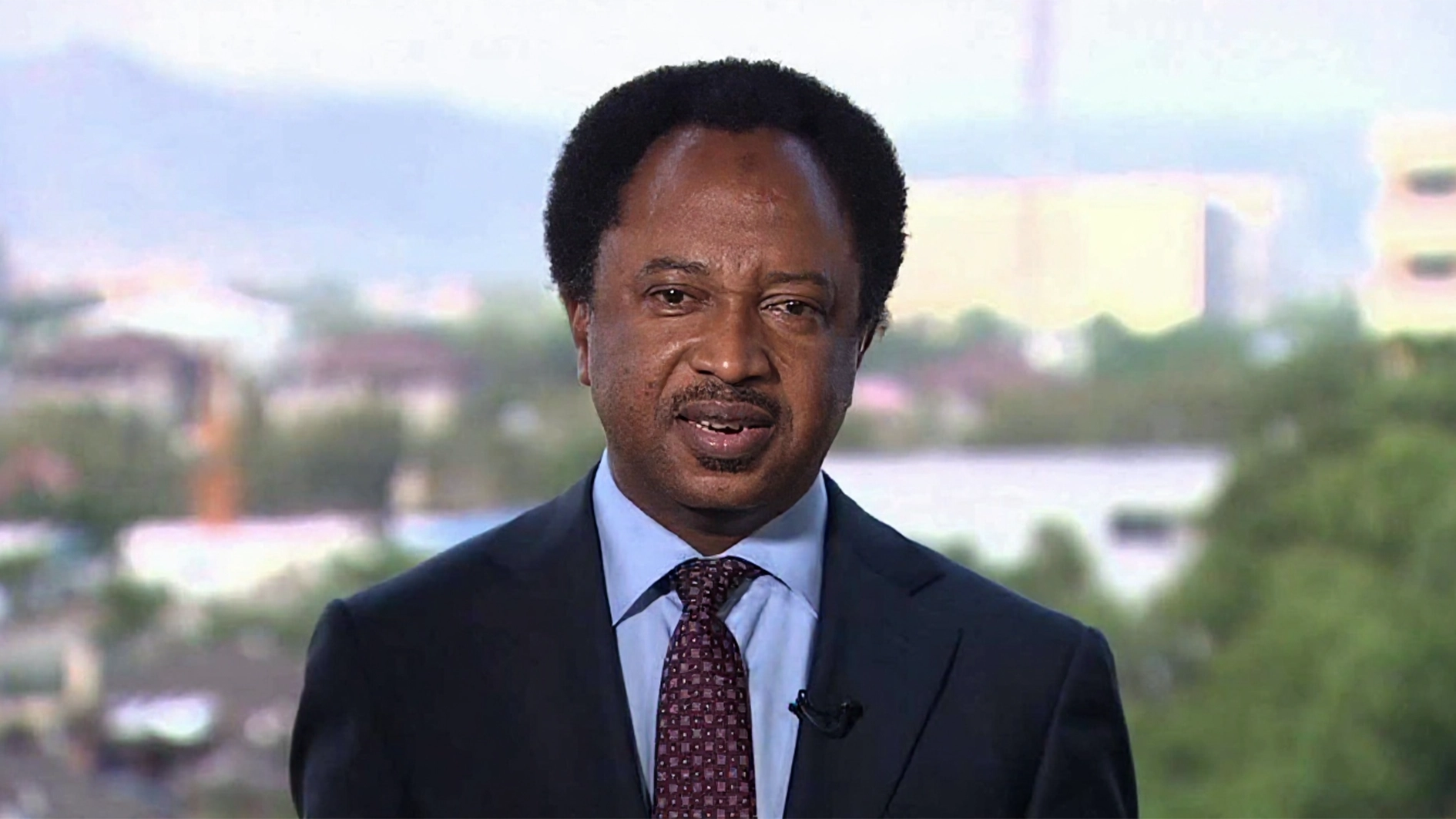
Former Kaduna Central Senator Shehu Sani has cautioned that an Atiku Abubakar victory in the 2027 presidential election could trigger resentment in the southern part of Nigeria and end the country's informal rotational presidency arrangement. He made this statement on Channels Television's Politics Today on Friday. Sani advised political parties to field southern candidates in the 2027 presidential election, allowing the North to take its turn in 2031.
Sani emphasized that allowing the South to complete an eight-year presidential cycle would make it easier for a northern candidate to take over in 2031. He expressed concerns that if Atiku wins, it would lead to hard and bitter feelings from the southern part of Nigeria. Sani acknowledged that the Constitution does not bar Atiku from contesting the 2027 election, but argued that a southern part of Nigeria should be allowed to have its eight-year tenure in office.
The former senator stressed that zoning and rotational presidency, although not constitutional requirements, are important political arrangements for maintaining a sense of fairness between the North and South. He suggested that it's fair for the South to have its eight years, just like the North had from 2015 to 2023. Sani's comments come amid growing positioning by major political figures ahead of the 2027 election.
Sani specifically mentioned that the North would have an "unchallengeable opportunity" to produce the country's president in 2031 if southern candidates were allowed to contest the 2027 election. He referred to Peter Obi of the Nigeria Democratic Congress (NDC) and Oyo State Governor Seyi Makinde of the Allied Peoples Movement (APM), both southerners and presidential candidates in the 2027 election.
The Independent National Electoral Commission has listed Obi, Makinde, Atiku, and President Bola Tinubu of the All Progressives Congress among the candidates for the 16 January 2027 presidential election. Sani rejected the argument that demographic or electoral strength should determine which region controls the presidency, stating that this approach would lead to continued domination by one region.
Nigeria's 1999 Constitution does not provide for a North-South rotation of the presidency, but the arrangement has operated as an informal political convention through party zoning and negotiations. Sani's position differs from the strictly constitutional argument that any Nigerian who meets the constitutional requirements is entitled to seek the presidency regardless of region.
Sani concluded that constitutional eligibility should not be the only consideration in determining the timing of political contests. His comments have sparked debate ahead of the 2027 election, with various stakeholders weighing in on the rotational presidency arrangement and its implications for Nigerian politics.
Key points
- Shehu Sani urges Atiku and other northerners to respect the rotational presidency arrangement.
- Sani suggests that the South should be allowed to complete an eight-year presidential cycle.
- The 2027 presidential election is scheduled to take place on 16 January 2027.