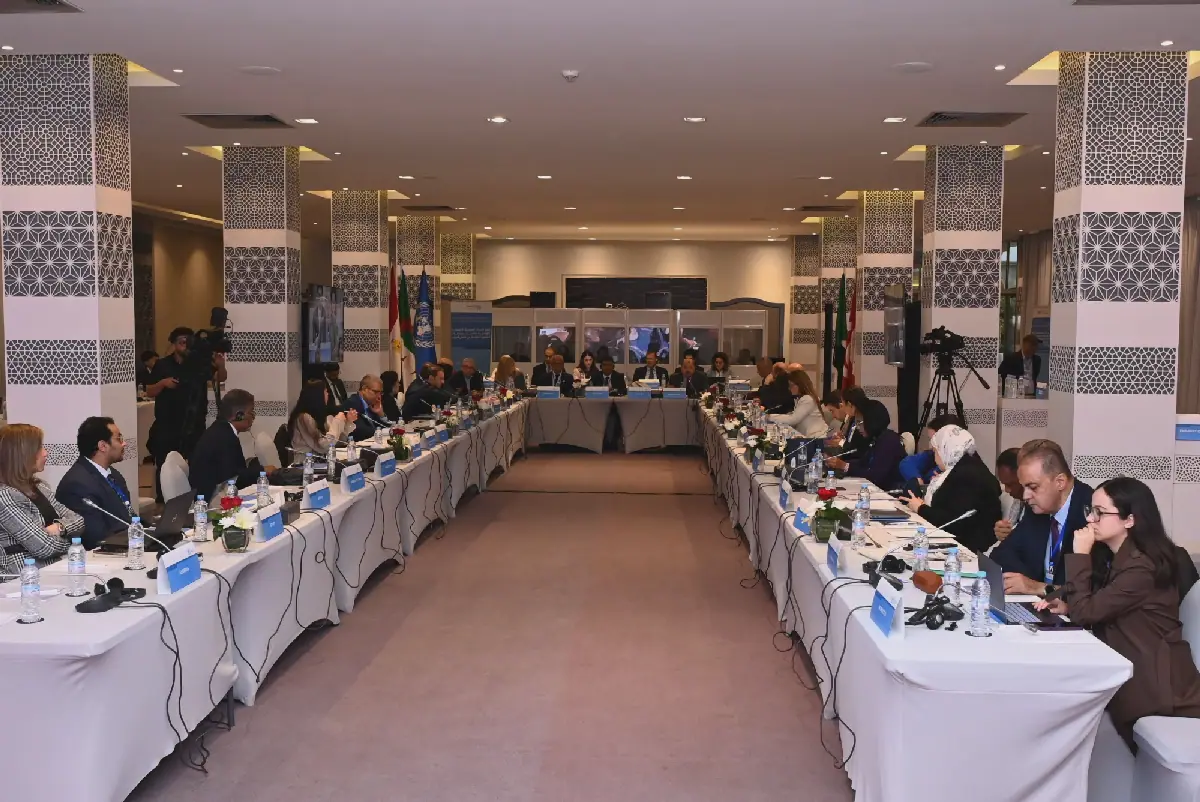
The United Nations Economic Commission for Africa's North Africa office concluded its 40th session in Rabat, Morocco, on November 5, 2026. The meeting brought together senior officials and experts from seven North African countries: Algeria, Tunisia, Sudan, Libya, Egypt, Morocco, and Mauritania. The session focused on enhancing economic resilience in the face of global shocks. Participants emphasized the need for strategic foresight, green financing, and regional cooperation to address economic and climate challenges.
The North Africa office, based in Morocco since 1963, supports the seven countries in achieving economic development and social progress. During the three-day meeting, participants reviewed the office's past performance and discussed its proposed work program and strategic orientations for the upcoming year. They also exchanged experiences and best practices in managing multiple and intersecting shocks. The meeting highlighted the importance of integrating foresight approaches into public policy-making and using green and sustainable financing to achieve low-carbon development.
Climate change was a key topic at the meeting, with participants calling for enhanced capacity to anticipate climate risks through innovative measures for mitigation and adaptation. These measures include improving resource governance, promoting renewable energy, and adopting sustainable agricultural land management practices. The meeting also emphasized the need for countries to continue macroeconomic stability reforms, develop flexible and adaptable public financial frameworks, and strengthen public financial management.
The meeting's recommendations included a strong financial component, urging countries to continue reforms to maintain macroeconomic stability, develop flexible public financial frameworks, and strengthen public financial management. Participants also stressed the importance of improving debt management practices, developing national capacities for risk assessment, and optimizing resource mobilization. They encouraged countries to deepen regional coordination and cooperation, particularly in implementing the African Continental Free Trade Area.
The Economic Commission for Africa was tasked with conducting analytical work on resilient growth, including the interlinkages between social, economic, and ecological dimensions. The commission was also requested to develop strategic tools, including artificial intelligence, to support countries in designing and implementing adaptable transition pathways. Furthermore, the commission will support countries in formulating comprehensive strategies to enhance resilience.
The meeting's outcomes and recommendations will be presented at the 59th session of the Economic Commission for Africa and the Conference of Ministers of Finance, Planning, and Economic Development in Addis Ababa, Ethiopia, from March 17 to 23, 2027. The conference will focus on shaping the future of work in Africa, with a particular emphasis on youth employment.
The North African countries' call for major financial and climate reforms reflects their commitment to building economic resilience and addressing the challenges posed by climate change. The implementation of these reforms will require close cooperation between governments, international organizations, and other stakeholders. The Economic Commission for Africa will play a crucial role in supporting North African countries in their efforts to achieve sustainable and inclusive development.
Key points
- North African countries are pushing for green financing and strategic foresight to build economic resilience.
- The Economic Commission for Africa will support countries in designing and implementing adaptable transition pathways.
- The meeting's recommendations include a strong financial component, urging countries to continue macroeconomic stability reforms.
Reporting sources
- 7 بلدان في شمال أفريقيا تدعو من الرباط لإصلاحات مالية ومناخية كبرى لبناء المرونة الاقتصادية · Al Ittihad Al Ichtiraki