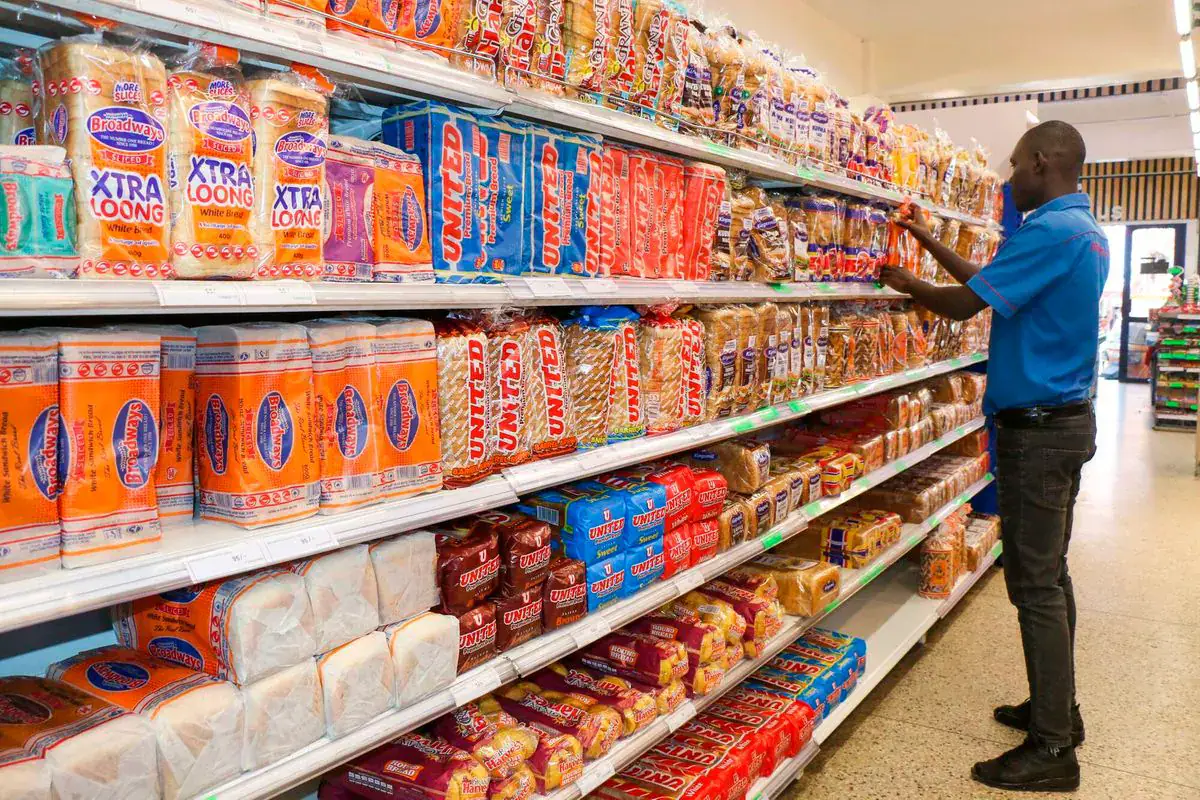
A recent study by the African Competition Forum (ACF) has found that seven global commodity traders dominate the supply of wheat to Kenya, influencing the prices of bread, cakes, chapati, pasta, and biscuits. These traders, who operate between international producers and local milling firms, arrange the sourcing, transportation, and delivery of bulk shipments that determine the cost of grain reaching Kenya. The study warns that Kenya's wheat pricing rules and import quotas may be exposing households to costs above prevailing international market prices.
The seven companies involved in sourcing wheat for wheat millers in Kenya are Bunge Global SA, Cargill, Louis Dreyfus Company (LDC), Holbud, Seaboard Corporation, Me Solaris, and Wild Agri. Although they do not own the imported wheat, they organize shipments on behalf of millers, placing them at the center of transactions that underpin the country's flour and food industries. The study does not establish that the named companies have colluded or manipulated tenders, but it identifies potential weaknesses that could undermine competition and weaken bargaining power of the millers.
The traders can internalize large profit margins due to their integration in global markets, despite domestic wheat price regulations and import quotas. They maintain local sourcing or trading offices but centralize strategic pricing, hedging, and price-risk management decisions offshore. These central offices monitor international supply and demand, participate in futures markets, and provide pricing benchmarks to local branches, linking Kenyan wheat prices to decisions made within global trading networks.
The study finds that the traders use affiliated exporting firms and centralized price-risk management offices to coordinate international transactions and manage exposure to commodity price movements. They also make money from activities beyond transporting grain, including cross-border trading margins, service fees, financial gains from managing commodity risks, and market intelligence gathered through international networks.
The traders' integration in global markets allows them to participate in different stages of international wheat trade, manage their exposure to price movements, and maintain multiple sources of income. The study's findings are based on data on wheat during the financial year 2024/2025, when Kenya imported 2.2 million tonnes of the grain, mainly from major producing countries including Russia, Ukraine, and Argentina.
The current system in Kenya, where a wheat pricing committee prescribes minimum prices for locally produced grain, while imports are permitted when domestic production falls short, may be disconnecting domestic prices from international benchmarks. The ACF warns that this could raise the cost of wheat for local buyers. The report cites a National Cereals and Produce Board minimum price of Sh4,750 for a 90-kilogramme bag of Grade One wheat, which traders buying locally must observe even when imported grain has a lower landed cost.
The study also raises concerns about the tendering system millers use to purchase imported wheat, where traders submit bids against specified quantities and quality requirements. Although contracts are awarded to the lowest bidder, the ACF warns that the arrangement potentially creates opportunities for bid rigging through rotation of winning suppliers. The Competition Authority of Kenya is part of the African Competition Forum, a pan-African network of national and regional competition authorities.
Key points
- The seven global commodity traders dominating Kenya's wheat supply are Bunge Global SA, Cargill, Louis Dreyfus Company (LDC), Holbud, Seaboard Corporation, Me Solaris, and Wild Agri.
- The traders' integration in global markets allows them to internalize large profit margins despite domestic wheat price regulations and import quotas.
- The study raises concerns about the tendering system used by Kenyan millers, which may create opportunities for bid rigging.
Reporting sources
- Seven global traders control bread, pasta prices in Kenya · Business Daily Africa