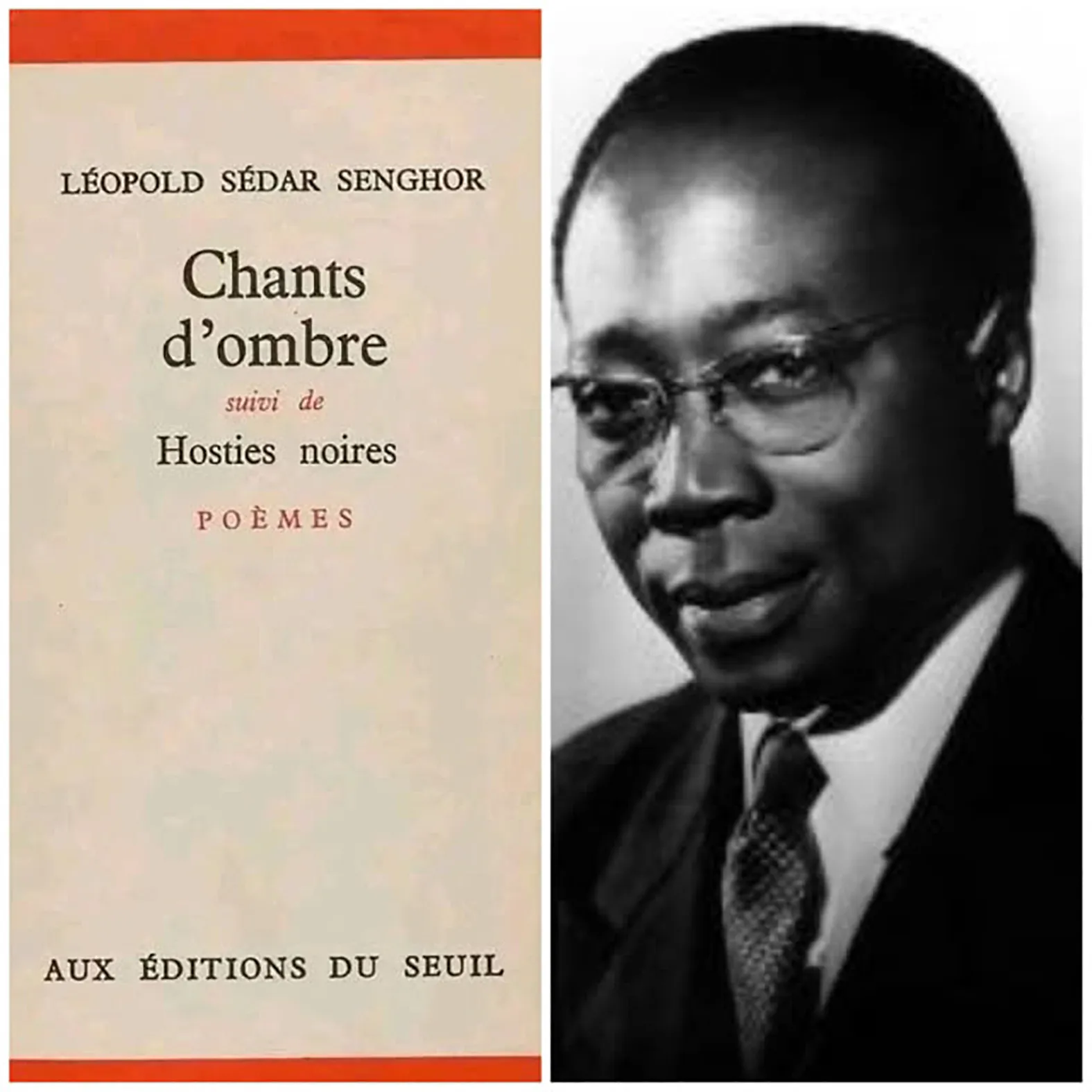
Léopold Sédar Senghor, a renowned Senegalese poet and statesman, published "Chants d'ombre" in 1945, a collection of poems that includes "Joal". This poem is a nostalgic tribute to his childhood hometown, Joal, a small coastal town in Senegal. The poem's opening lines, "Joal ! Je me rappelle", set the tone for a nostalgic and rhythmic exploration of his memories. Senghor's use of the French language, learned during his colonial education, is a deliberate choice to express his African heritage.
The poem's structure is characterized by a loose, strophic form, with irregular quatrains, distichs, tercets, and isolated verses. This unconventional structure reflects the poet's intention to break away from traditional French versification and create a new, African-inspired rhythm. The use of anaphora, with the repetition of "Je me rappelle", creates a sense of incantation and emphasizes the poet's personal connection to his memories. Senghor's mastery of language and form allows him to convey the complexity of his emotions and experiences.
Senghor's use of imagery and symbolism adds depth and richness to the poem. He recalls the "signares à l'ombre verte des vérandas" and the "fastes du Couchant", evoking a sense of a vibrant, African culture. The poem also explores the intersection of African and European influences, as Senghor incorporates elements of Catholicism and traditional African culture. This blending of cultures is reflected in the poem's use of language, which combines French with Wolof words and rhythms.
The poem's rhythm and meter are also noteworthy, as Senghor employs a range of techniques to create a musical quality. He uses caesurae, enjambment, and repetition to create a sense of flow and continuity. The poem's use of onomatopoeia, such as the "sanglote sanglote sanglote" refrain, adds to its musicality and emotional impact. Senghor's innovative use of language and form has been praised for its technical skill and emotional resonance.
The historical context of the poem's publication in 1945 is also significant. At the time, Europe was still reeling from the devastation of World War II, and Senghor's poem offered a powerful counterpoint to the dominant European narrative. By asserting his African identity and culture, Senghor challenged the colonialist discourse and paved the way for future generations of African writers.
The poem's exploration of memory and exile is another key theme. Senghor's use of the phrase "Je me rappelle" becomes a refrain, emphasizing the poet's connection to his past and his sense of dislocation in the present. The poem's final lines, with their reference to "jazz orphelin" and the "marche lasse le long des jours d'Europe", convey a sense of melancholy and longing.
Ultimately, "Joal" is a poem about the power of memory and cultural heritage to shape our identities and inform our understanding of the world. Senghor's innovative use of language and form has made the poem a classic of African literature, and its themes of identity, culture, and belonging continue to resonate with readers today.
Key points
- Senghor's poem "Joal" is a powerful expression of African culture and identity.
- The poem's innovative use of language and form challenges traditional French versification and creates a new, African-inspired rhythm.
- The poem's exploration of memory, exile, and cultural heritage continues to resonate with readers today.