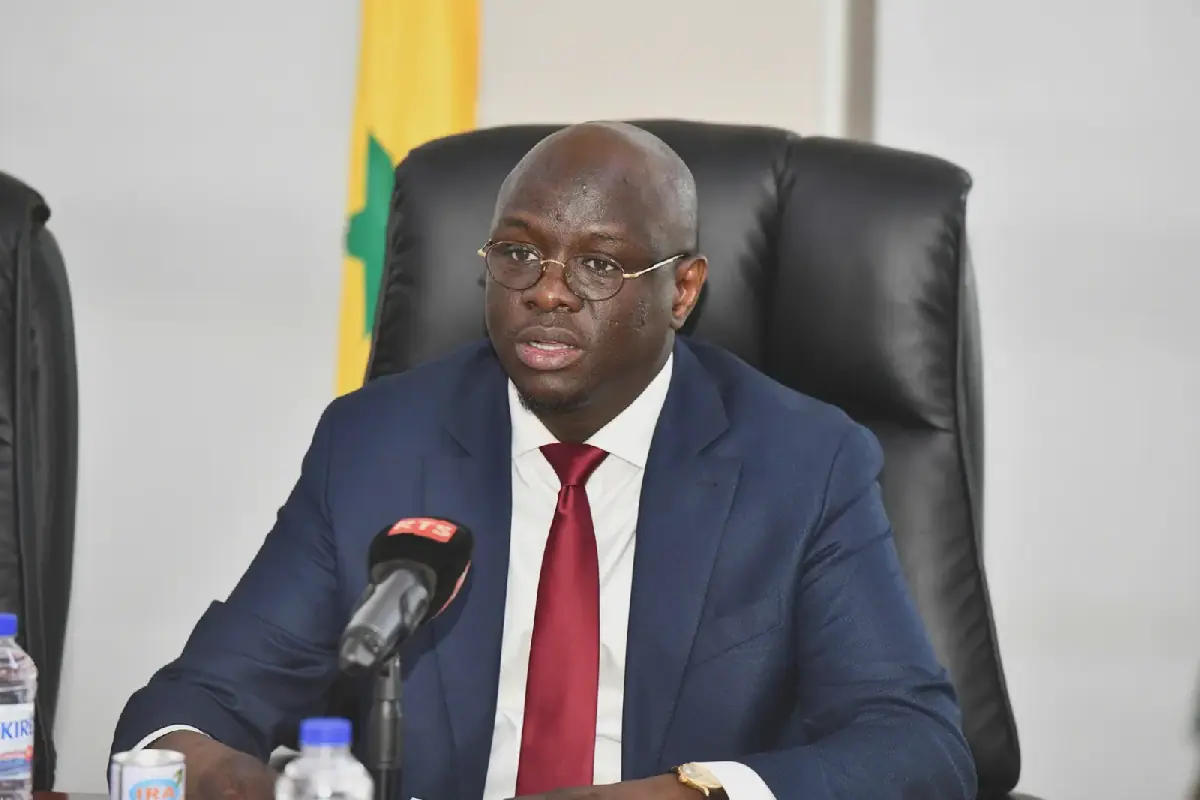
The Senegalese Ministry of Economy, Finance and Planning has reacted to the rejection of the 2026 revised budget bill (PLFR) by the National Assembly's Finance and Budget Control Committee. In a statement released on October 31, the ministry expressed regret over the lack of amendments or counterproposals from lawmakers despite explanations provided. The PLFR 2026 was rejected for the second time in committee.
According to the ministry, a detailed document was submitted on October 30 in response to a memorandum from the committee, which outlined concerns from the Pastef parliamentary group. Several rounds of discussions allowed for responses to be provided to lawmakers' questions, particularly regarding energy subsidies, family security grants, and priority spending. The ministry claims that all requested clarifications and supporting documents were transmitted to parliamentarians.
Despite these explanations, the committee rejected the bill. The ministry noted that to date, no amendments or counterproposals have been formulated by the committee, despite three sessions of discussions. This rejection occurs in a context marked by reduced maneuvering room, difficulties in accessing financial markets, and ongoing negotiations with the International Monetary Fund (IMF).
The ministry recalled that a revised budget law allows for the adaptation of the budget to changes in available resources and expenses to be covered. It gives parliament the opportunity to approve necessary adjustments to finance national priorities and honor state commitments. The ministry warned of the consequences of prolonging budget uncertainty, which could compromise the mobilization of necessary financing for 2026.
The rejection of the PLFR 2026 could accentuate tensions on the state's treasury, at the expense of priority spending and populations. In perspective of the next plenary session devoted to the bill, the ministry reaffirmed its availability to pursue discussions in a spirit of constructive and responsible dialogue. It called on parties to prioritize "a sense of responsibility and the supreme interest of populations" to adopt the PLFR 2026.
The ministry emphasized that the situation could have significant impacts on the country's financial stability and its ability to meet its commitments. The government is counting on the adoption of the PLFR 2026 to ensure the continuity of public services and priority projects. The ministry's statement reflects the concerns of the government regarding the budget situation and its implications for the country's economy.
The National Assembly's Finance and Budget Control Committee will have to consider the bill again and decide on its adoption or rejection. The government is hoping that lawmakers will take into account the explanations provided and the need for a revised budget to ensure the country's financial stability. The adoption of the PLFR 2026 is crucial for Senegal's economic prospects.
Key points
- The Senegalese Ministry of Economy, Finance and Planning decries the lack of counterproposals from lawmakers after the rejection of the 2026 revised budget bill.
- The rejection of the PLFR 2026 could compromise the mobilization of necessary financing for 2026 and accentuate tensions on the state's treasury.
- The government is calling on parties to prioritize a sense of responsibility and the supreme interest of populations to adopt the PLFR 2026.