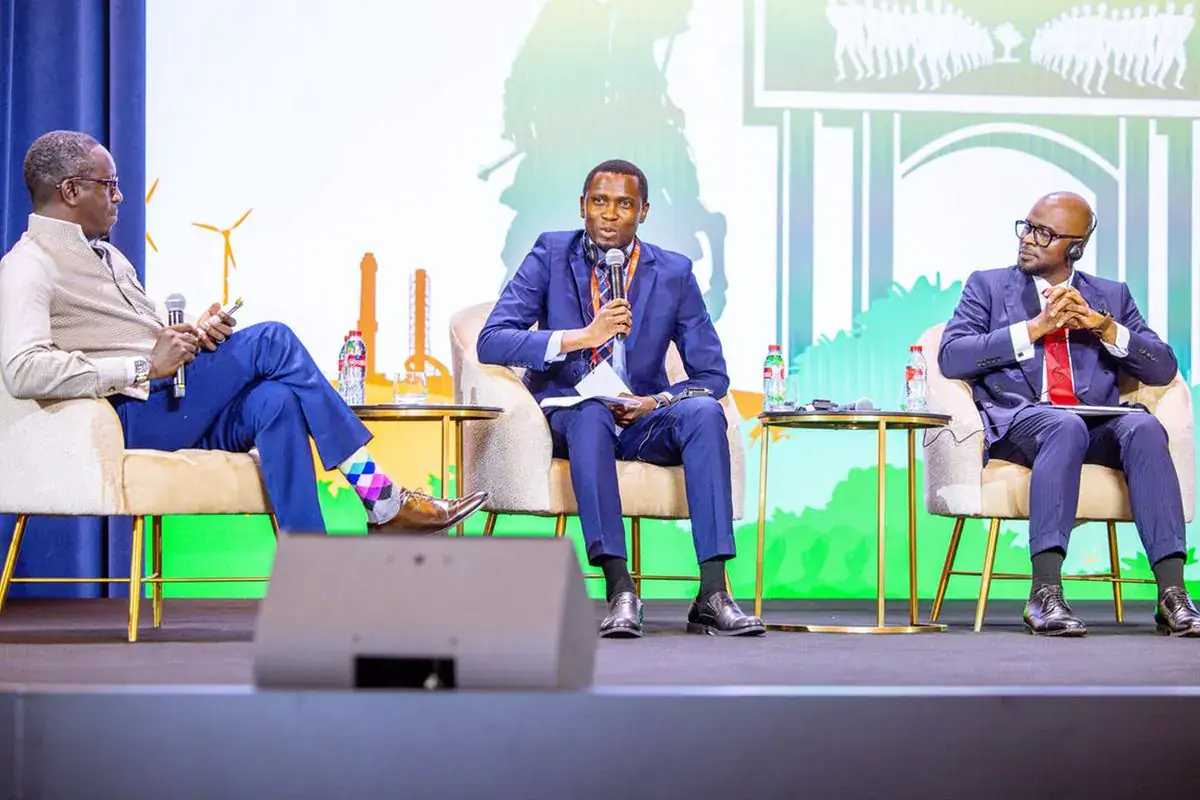
The Tanzanian government has pledged to strengthen the energy sector by involving the private sector in electricity generation and distribution. Deputy Minister for Finance Laurent Luswetula made the commitment at the Africa Think Tank Summit in Cotonou, Benin. The initiative aims to ensure Tanzania has adequate and reliable electricity for domestic, industrial, and commercial use. The government has opened doors for the private sector to enter power generation and distribution.
The 2015 National Energy Policy emphasizes private sector participation, enabling companies to venture into electricity generation and distribution. Major private companies have contributed over 350 megawatts to electricity generation, particularly in rural areas. Medium-sized producers account for over 59 megawatts, and small producers contribute a combined 2.41 megawatts. However, electricity transmission remains largely the government's responsibility, undertaken through the Tanzania Electric Supply Company.
The Ministry of Finance is committed to using domestic resources to fund major energy projects. The construction of the Mwalimu Julius Nyerere Hydropower Project is an example, with an installed generation capacity of 2,115 megawatts. The project was constructed using domestic funds amounting to approximately Sh7.5 trillion, equivalent to over $3.5 billion. The government has resolved to use internal resources to implement strategic projects for the country's overall benefit.
Tanzania currently has an electricity generation capacity exceeding 4,646 megawatts, against domestic demand of over 2,300 megawatts. This creates an opportunity to sell surplus electricity to neighbouring countries. The government is strengthening electricity transmission infrastructure to enable Tanzania to participate fully in the regional energy market, particularly in East Africa.
The government is considering household affordability and industrial requirements by maintaining affordable electricity tariffs. Electricity for industrial consumers is priced at Sh100 per kilowatt-hour, while small-scale consumers benefit from lower tariffs. This reflects the government's determination to ensure citizens access affordable electricity and benefit from power supplied through the national grid.
Tanzania is among African countries with the lowest electricity costs. The government aims to increase electricity generation to 8,000MW by 2030, with a focus on renewable energy. The country is also exploring opportunities for private sector participation in electricity transmission and distribution.
The government's efforts to involve the private sector in the energy sector are expected to boost electricity generation and export to neighbouring countries. With a focus on renewable energy and affordable electricity tariffs, Tanzania is poised to play a bigger role in Africa's energy security drive. The country's energy sector is expected to benefit from increased private investment and domestic funding.
Key points
- The Tanzanian government has opened the energy sector to private investment, aiming to boost electricity generation and export to neighbouring countries.
- The government aims to increase electricity generation to 8,000MW by 2030, with a focus on renewable energy.
- Tanzania has an electricity generation capacity exceeding 4,646 megawatts, against domestic demand of over 2,300 megawatts.