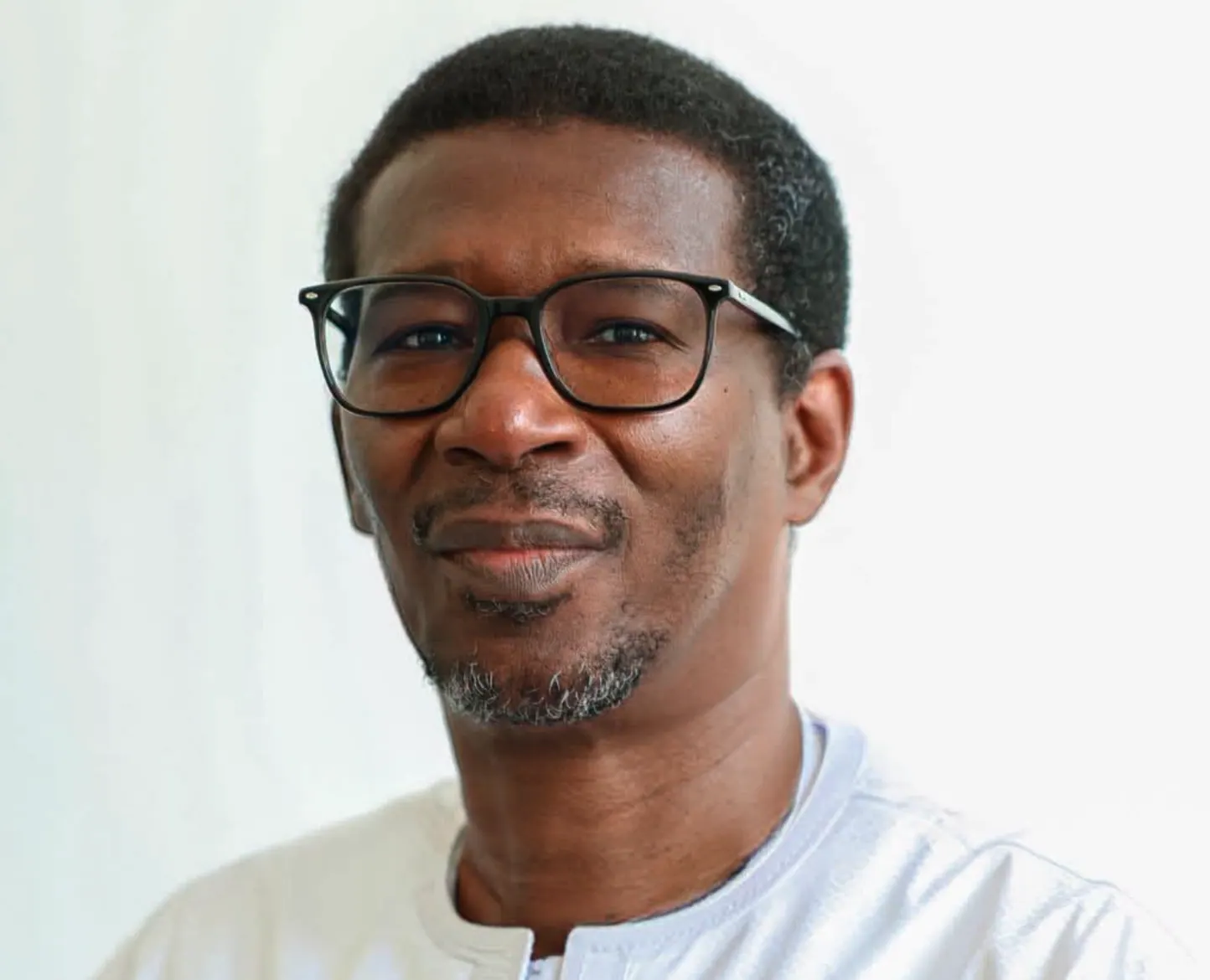
The rapid advancement of technology and social media has transformed the way people live, work, and interact with one another. According to Professor Mary Teuw Niane, these innovations have given humans immense power to create, learn, and communicate. However, this power can be misused, leading to the spread of misinformation, hate speech, and humiliation. It is essential to recognize the dual nature of technology and ensure that it is used for the greater good.
The influence of technology on society cannot be overstated. It has become an integral part of various sectors, including economy, education, healthcare, administration, culture, and social interactions. As such, it is crucial to develop strategies for responsible technology use. This includes promoting digital literacy, critical thinking, and media literacy. By doing so, individuals can effectively navigate the digital landscape and make informed decisions.
In Senegal, there is a pressing need to empower the youth to use technology responsibly. The country's future depends on the ability of its young people to harness technology for positive change. Professor Niane emphasizes that being literate in the 21st century means not only being able to read and write but also being able to calculate, verify information, and master digital tools. This requires a comprehensive approach to education and skills development.
The youth of Senegal are faced with two distinct paths. One path leads to the spread of misinformation, hate speech, and division, while the other path promotes knowledge, critical thinking, and constructive dialogue. Professor Niane urges the youth to choose the latter path, which involves reading, learning, verifying information, listening, reflecting, and respecting others. By doing so, they can become responsible and engaged citizens.
To achieve this goal, it is essential to promote Senegal's core values, including dignity, honor, restraint, respect, knowledge, generosity, truth, and conscience. These values are not relics of the past but rather the foundation of a modern and progressive society. By embracing these values, Senegal's youth can become leaders in the digital age and contribute to the country's development.
The role of parents, educators, and policymakers is crucial in guiding the youth towards responsible technology use. They must work together to create an environment that fosters critical thinking, creativity, and innovation. This includes providing access to quality education, promoting digital literacy, and encouraging constructive online interactions.
Ultimately, the future of Senegal depends on the ability of its youth to harness technology for positive change. By promoting responsible technology use, digital literacy, and core values, the country can build a brighter future for its citizens. Professor Niane's message serves as a call to action for Senegal's youth to become agents of change and to use technology as a tool for progress, not a source of division.
Key points
- Senegal's youth must use technology responsibly to build a better future.