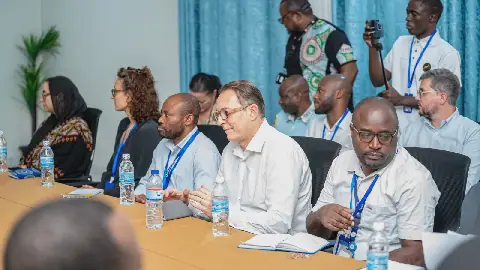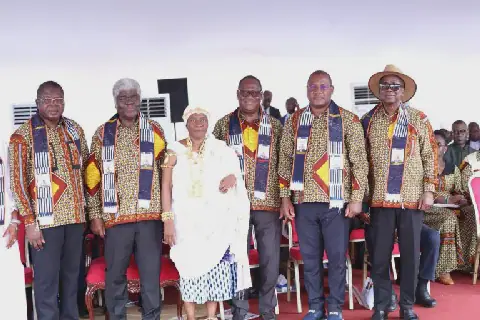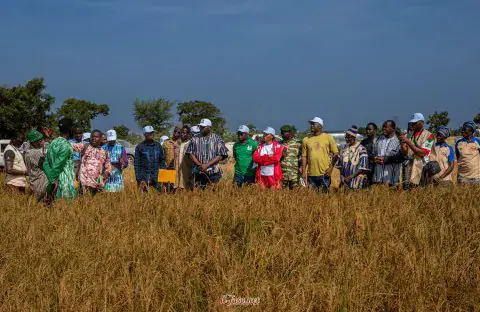
The ProRACE project, funded by the European Union and implemented by Tree Aid and JAFAA, seeks to improve the livelihoods of rural populations facing climate change, food insecurity, and security crises. In Fara, the project has initiated various activities to diversify household incomes. These include a rice cultivation demonstration in Sadon Bobo and a nutritious garden in Toné, exploited by women. The project's goal is to make rural households more resilient.
In Sadon Bobo, a demonstration plot showcases an alternative rice cultivation method. Two plots compare traditional farming practices with those recommended by project technicians. The project aims to reduce production costs while improving yields. According to Pascal Noom-wendé Sawadogo, the project's technical advisor, using the System of Rice Intensification (SRI) method can significantly reduce seed usage from 40-50 kg to 10-15 kg per hectare. This reduction translates to substantial cost savings for farmers.
The project's activities also focus on promoting sustainable agricultural practices. The use of organic fertilizer, in addition to mineral fertilizers, helps preserve soil fertility. Sawadogo emphasizes the importance of maintaining soil health, as it is the primary tool for production. The project's approach encourages farmers to adopt more sustainable and cost-effective methods, which can have long-term benefits.
In Toné, a 0.25-hectare nutritious garden has been established, generating significant revenue for a group of women. The garden produces baobab, moringa, and various vegetables, with sales totaling 1,231,575 FCFA between January and October 2026. The garden not only provides financial benefits but also improves household nutrition and enhances women's autonomy. The project's impact extends beyond economic benefits, contributing to the well-being of rural communities.
The project has also established fifteen nutritious gardens in different localities of the province, benefiting vulnerable households, internally displaced persons, and their host communities. These gardens provide a source of income, food, and skills training for women. The project's approach empowers women to take control of their economic activities and make informed decisions about their livelihoods.
Another key aspect of the project is the establishment of village savings and credit associations (AVEC). These associations enable women to pool their resources, access credit, and support each other's economic activities. The project's goal is to foster solidarity and enhance the resilience of rural households in the face of financial challenges.
The ProRACE project's multifaceted approach aims to address the complex challenges faced by rural households in Fara. By promoting sustainable agriculture, supporting women's economic empowerment, and fostering community resilience, the project seeks to create lasting positive change in the region. The project's impact will be closely monitored, and its success will depend on continued support from stakeholders.
Key points
- The ProRACE project has helped establish fifteen nutritious gardens in different localities of the province, generating income and improving nutrition for rural households.