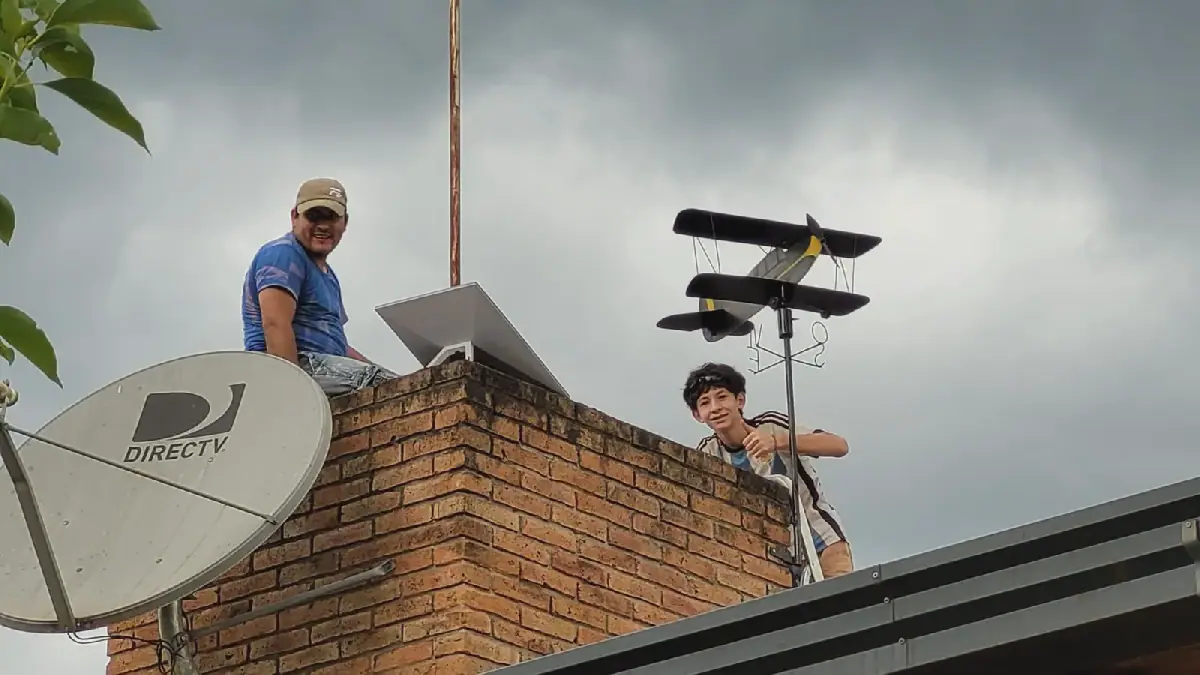
The Supreme Court of Senegal on Wednesday, November 4, 2026, confirmed the suspension of the operating license of Starlink Senegal, the local branch of Elon Musk's SpaceX. The court rejected the appeal by the Senegalese government to overturn the suspension, according to reports from Senegalese media. The dispute centers on a ministerial decision issued on November 6, 2025, granting Starlink a five-year license to provide fixed internet access via satellite.
The case was initiated by Sonatel, the parent company of Orange Senegal and the country's historical telecommunications operator, after the communications minister rejected its administrative appeal. The Supreme Court had previously ordered a temporary suspension of the license in September 2026 pending a review of the case. The latest decision has not been commented on by the government or the companies involved.
The suspended license was issued for a period of five years and was intended to enable Starlink to provide internet services to around one million people in rural and remote areas not covered by terrestrial networks. The government had been counting on Starlink to help reduce the digital divide in the country. However, the suspension has raised concerns about the government's ability to achieve its goal.
The decision has sparked a mixed reaction on the Senegalese street, with some viewing it as a protection of the historical operator's monopoly at the expense of consumers and rural populations, while others see it as a necessary measure to regulate the telecommunications sector and protect local infrastructure investments and digital sovereignty.
The case is ongoing, with further judicial stages expected. Starlink has not announced its next steps in the Senegalese market. The country's digital landscape is closely watched, given the importance of telecommunications in driving economic growth and social development.
Sonatel, as the dominant player in Senegal's telecommunications market, has significant interests at stake in the case. The company's efforts to block Starlink's entry into the market have been seen as an attempt to protect its market share and maintain its position as the country's leading telecommunications provider.
The Senegalese government's decision to rely on Starlink to expand internet access to rural areas reflects the challenges faced by the country in developing its digital infrastructure. The suspension of Starlink's license has raised questions about the government's strategy for reducing the digital divide and promoting economic development in rural areas.
Key points
- The Supreme Court's decision upholds the suspension of Starlink's operating license, a setback for the company's plans to expand internet access in Senegal.