The three communes of Niakhar, Diakhao, and Thiaré Ndialgui, located in the Fatick department of Senegal, share a classified forest known as the "vallée morte du Sine". To better manage the forest's resources and prevent potential tensions, the communities have come together to establish rules for using the resources. This initiative is part of the Multifunctional Landscape (MFL) program, which focuses on managing landscapes that provide multiple functions, including productivity and natural resource protection.
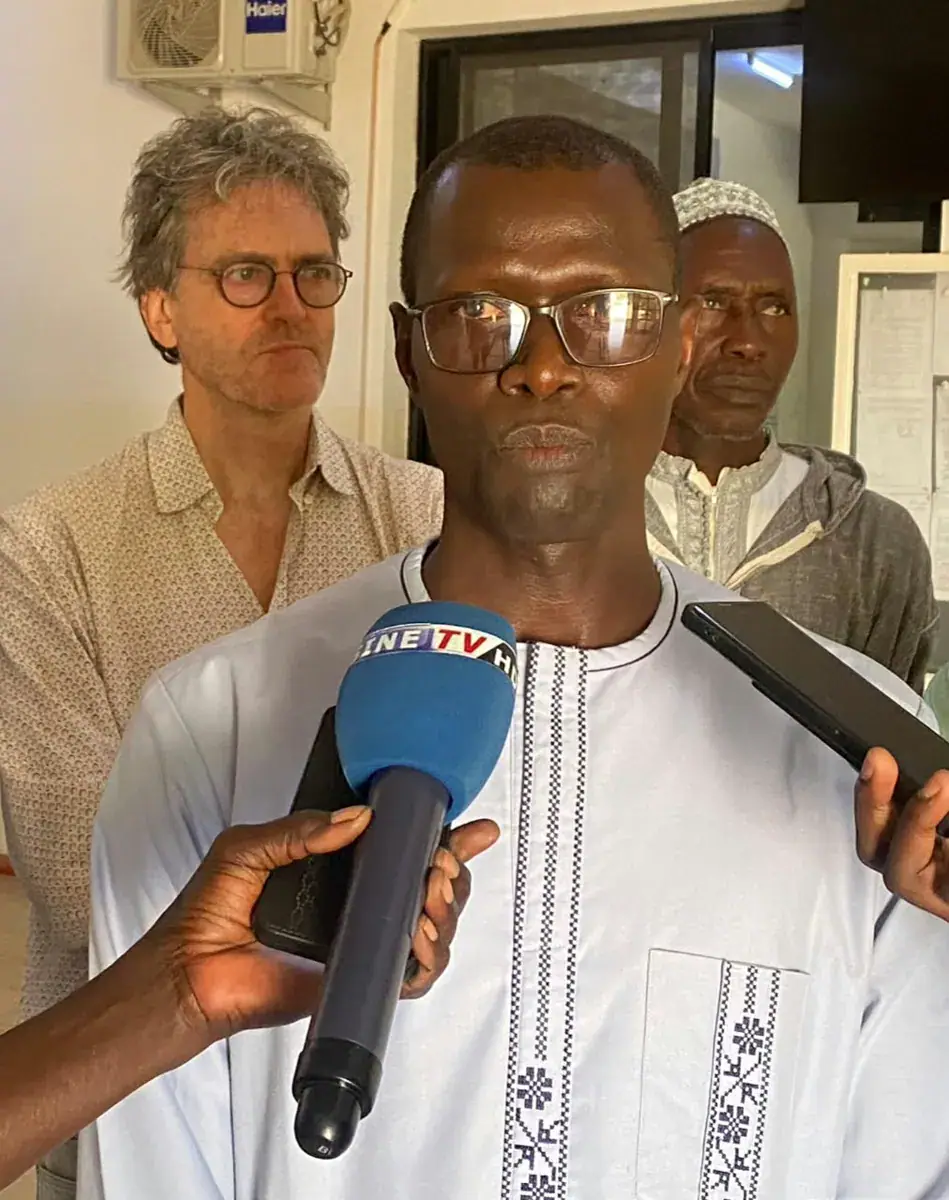
A day of reflection on the project was held in Fatick on November 6, 2026, attended by researchers, local elected officials, and community members. The goal is to create a local convention that will be presented to local and administrative authorities. According to Made Diouf, a member of the Dynamique pour une transition agro-écologique locale de Fatick (Dytael), the convention will enable the prevention of potential conflicts by establishing rules that are defined by the communities themselves.
The MFL program aims to promote sustainable management of landscapes, and the Cirad (Centre de coopération internationale en recherche agronomique pour le développement) has been supporting the Dytael in agro-ecological issues in the Fatick department for several years. Mark Pirau, a researcher at Cirad, emphasizes the importance of establishing rules for using the forest's resources, citing concerns about collective management in the valley.
Local authorities have expressed their commitment to supporting the project. Mamadou Diouf, a municipal councilor in Thiaré Ndialgui, assured that local elected officials are determined to accompany the project, which aims to resolve recurring problems related to resource exploitation. The convention is expected to address issues such as the unauthorized crossing of communal boundaries in search of dead wood.
Community leaders have also stressed the need for rigorous and regular monitoring of the convention once it is validated by administrative authorities. Aliou Diouf, the head of the village of Sanghaie (Niakhar commune), warned that establishing rules without control would be ineffective. The Agence régionale de développement (ARD) has also expressed its support for the project, which aligns with its own plans for a development project in the area.
The local convention is expected to be a key tool for managing the forest's resources sustainably and preventing conflicts. The initiative has been welcomed by various stakeholders, including the ARD, which sees the convention as an opportunity for efficient management of the valley's resources. The project is also supported by the Fonds vert, which has provided funding for a development project in the area.
The development of the local convention marks an important step towards sustainable management of the forest's resources. The involvement of local communities, researchers, and authorities is seen as crucial to the success of the project. Key points include the establishment of rules for using the forest's resources, the prevention of conflicts, and the promotion of sustainable management practices.
Key points
- The convention aims to prevent conflicts by establishing rules defined by the communities themselves.
- The initiative is part of the Multifunctional Landscape (MFL) program, which focuses on managing landscapes that provide multiple functions.
- Local authorities have expressed their commitment to supporting the project, which aims to resolve recurring problems related to resource exploitation.