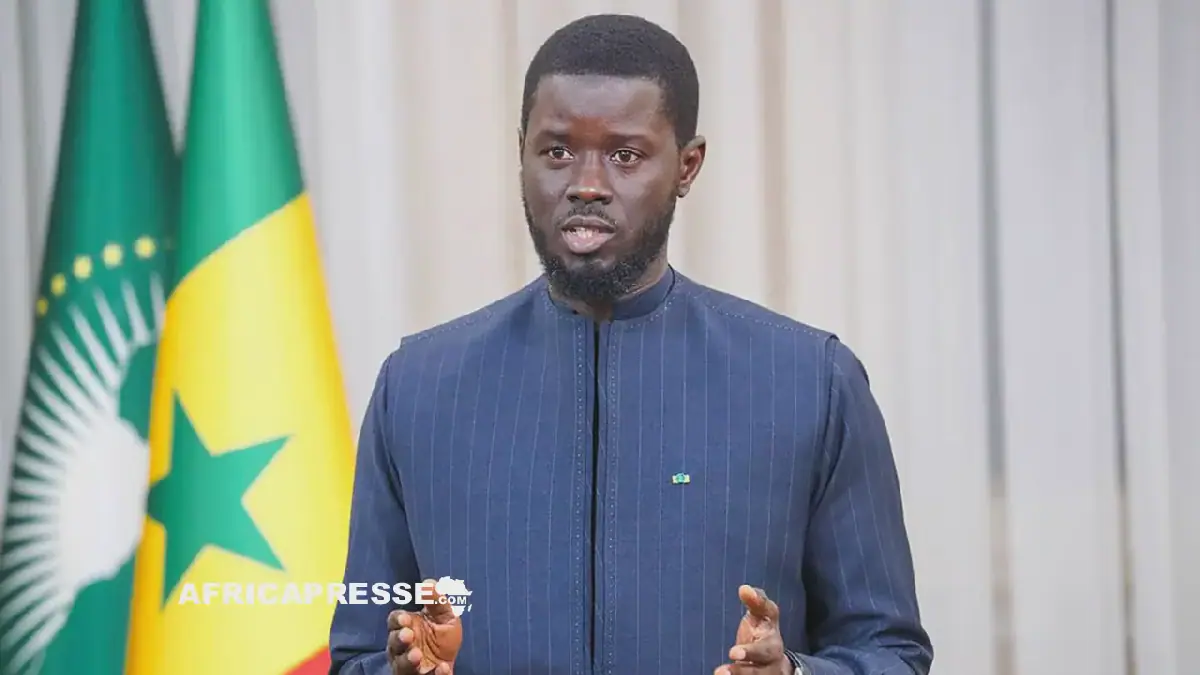
On November 19, 2026, the Presidency of Senegal announced that President Diomaye Faye had decided to implement the 2026 rectified finance law project by decree. This decision comes after the law was rejected by the Patriotes africains du Sénégal pour le travail, l’éthique et la fraternité (Pastef), the majority party in the National Assembly. The same day, the ruling party also rejected the 2027 budget project.
The executive justifies its approach by an extensive reading of article 68 of the Constitution, which frames the vote of finance laws by Parliament. According to the government, no vote took place on the substance of the text, as it was rejected by a preliminary question without debate. As a result, the government claims that the law can be implemented by decree since it was not voted within the 60-day deadline.
The rectified budget is considered essential by Dakar to honor its debts towards companies and secure a $2.2 billion loan from the International Monetary Fund. The country's public debt was estimated at 132% of GDP at the end of 2024. In September, the IMF announced a preliminary agreement on a $2.2 billion aid program over 36 months.
The rejection of the 2027 budget on November 18 adds to the uncertainty. The Pastef party contests the legal basis of the decree, arguing that article 68 does not cover rectified finance laws and that the deputies did vote against the text within the deadlines. A referral to the Constitutional Council appears likely.
The battle for institutional power is now underway. The Pastef party reacted immediately, with jurist and deputy Amadou Ba stating that "the President of the Republic is heavily mistaken" and that he "has no competence to implement a rejected rectified finance law project."
The implementation of the rectified budget by decree has sparked concerns about the balance of powers. If the precedent is validated, the executive would have a lever to govern by decree in budgetary matters, which would fragilize the legislative function of Parliament.
The situation remains uncertain, with a probable referral to the Constitutional Council. The Pastef party's reactions indicate a strong opposition to the president's decision, and the issue may have far-reaching implications for Senegal's institutional balance.
Key points
- President Diomaye Faye implemented the 2026 rectified finance law by decree after it was rejected by the Parliament's majority party, Pastef.
- The executive justifies its approach by an extensive reading of article 68 of the Constitution.
- The implementation of the rectified budget by decree has sparked concerns about the balance of powers between the executive and legislative branches.