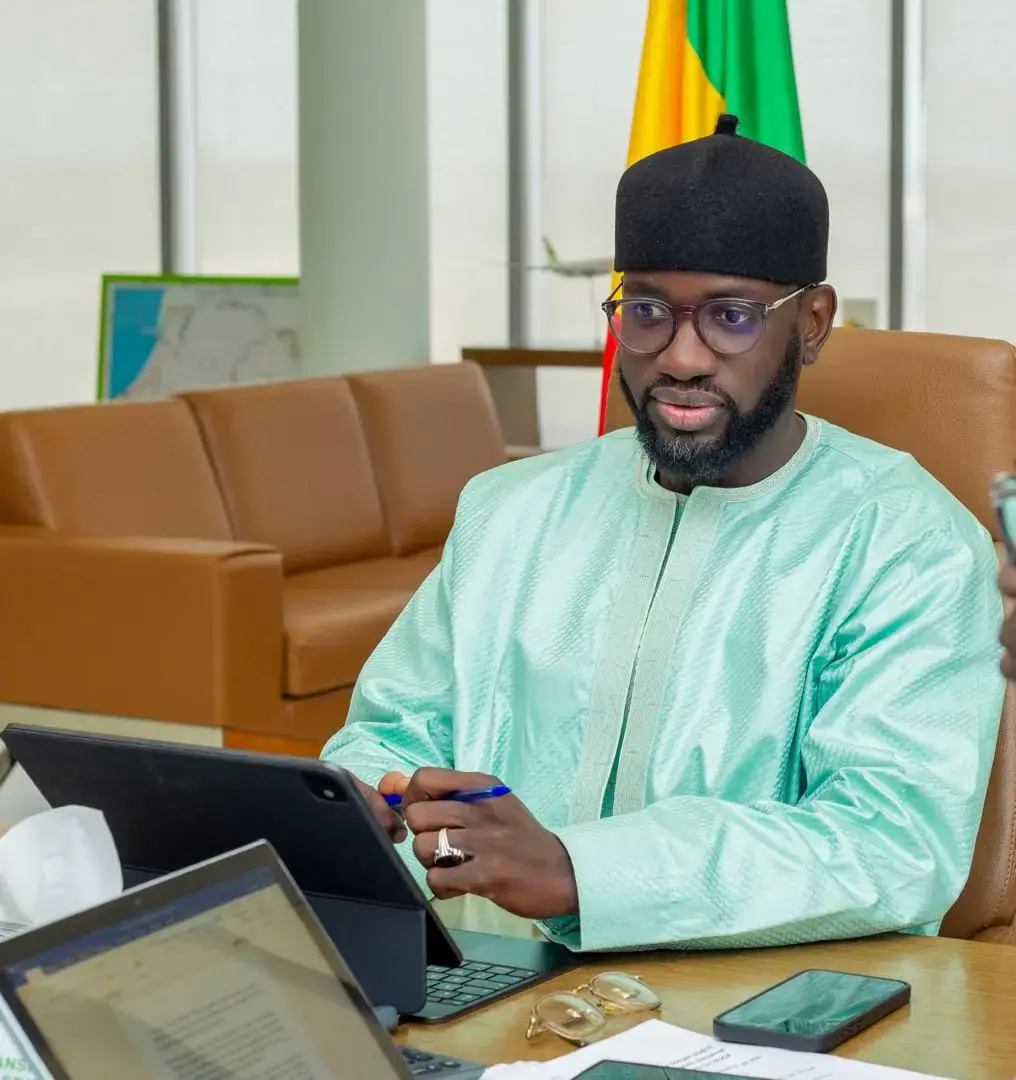
Senegal's Minister of Land, Air and Transport, Abdou Lahad Ndiaye, has made critical comments about the PASTEF party, led by Ousmane Sonko. In a recent interview on Sen TV's Sen Show, Ndiaye shared his analysis of the party, stating that he is well-acquainted with its inner workings. He categorized PASTEF militants into four distinct groups, sparking further debate about the party's dynamics and influence.
According to Ndiaye, the first category consists of idealists who are passionate about their causes, similar to those involved in the "Y'en a marre" movement. However, he claims that they tend to abandon their commitments when faced with challenges. The second and largest group, Ndiaye argues, comprises individuals who are easily manipulated due to their naivety. He strongly criticized the party's rhetoric, accusing it of fostering hatred and blaming others for societal problems.
Ndiaye identified a third category within PASTEF, describing them as "gens bien" or good people. These individuals, often from the diaspora or intellectual backgrounds, genuinely desire positive change in Senegal, similar to European countries. However, he believes they are naive about Sonko's intentions and the party's true nature. Ndiaye also expressed concern about a small but dangerous minority within the party.
The minister described the fourth category as particularly harmful, consisting of individuals who are aware of the party's inner workings but choose to ignore them for personal gain. He specifically mentioned imams, journalists, and comedians who have joined PASTEF, labeling them as "laboratoires de manipulation" or laboratories of manipulation. According to Ndiaye, these individuals have contributed to the party's decline in credibility.
Ndiaye's comments reflect his experience as a former member of PASTEF, where he served as a deputy. His statements have generated significant attention and discussion about the party's internal dynamics and its leader, Ousmane Sonko. The categorization of militants also raises questions about the party's overall strategy and its appeal to different segments of Senegalese society.
The PASTEF party has been a significant force in Senegalese politics, with Sonko emerging as a prominent figure. However, Ndiaye's criticism highlights internal divisions and potential weaknesses that could impact the party's future prospects. As Senegal continues to evolve politically, the dynamics within PASTEF and other parties will likely play a crucial role in shaping the country's trajectory.
The interview on Sen TV's Sen Show has sparked a renewed debate about PASTEF and its role in Senegalese politics. Ndiaye's assertions have generated a range of reactions, with some defending the party and others criticizing its tactics and ideology. As the country prepares for future elections, the discussion around PASTEF and its militant categories is likely to continue, influencing the national conversation.
Key points
- Abdou Lahad Ndiaye categorizes PASTEF militants into four groups: idealists, manipulable individuals, "gens bien," and a small but dangerous minority.
Reporting sources
- WalFadjri · WalFadjri