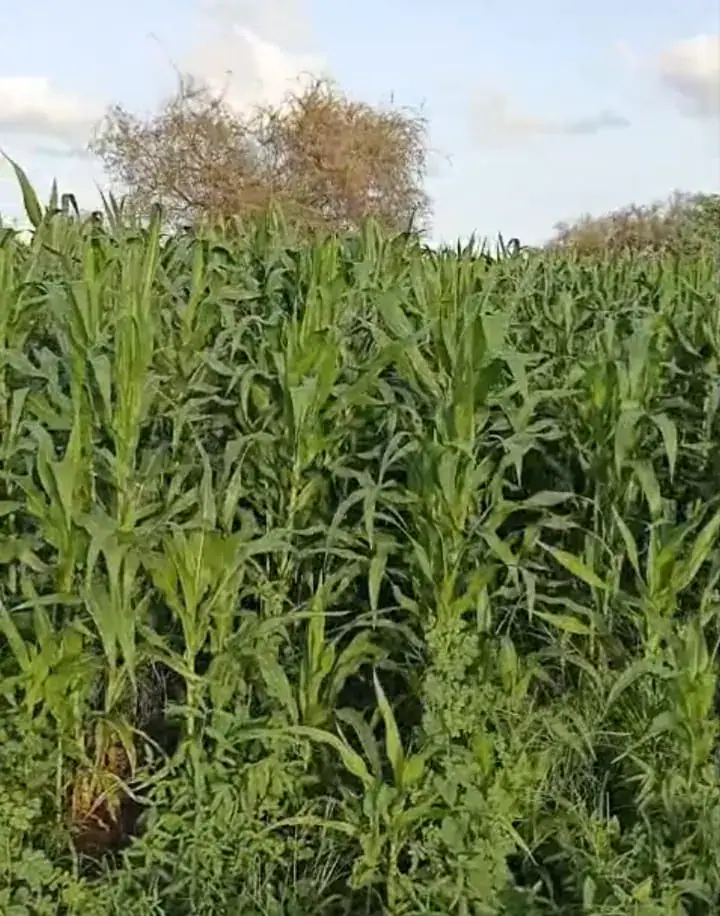
The Kaolack region of Senegal, like many other areas in the country, has experienced lengthy dry spells. However, recent heavy rainfall in Latmingué, a town in the Kaolack department, has brought much-needed relief to local farmers. The nine-day wait for rain had started to take a toll on crops, particularly maize, which was beginning to show signs of water stress. The drought was causing leaves to turn yellow and affecting the overall growth of the crops.
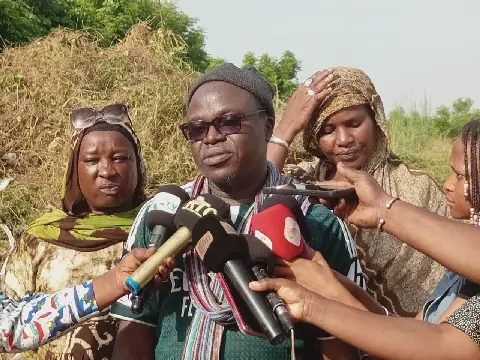
According to Andel Kitane, president of the Lambor agricultural cooperative in Latmingué, the dry spell had significant impacts on their crops. The maize and peanut farms were suffering, especially during the hottest part of the day. Kitane noted that areas with high fertilizer concentrations were more affected. The lack of water was slowing down the growth of the maize, causing concern among farmers. However, the recent rainfall has changed the situation, allowing the crops to recover.
The Lambor agricultural cooperative in Latmingué manages 10 hectares of maize, 5 hectares of millet, 10 hectares of peanuts, and 1 hectare of plateau rice. Kitane mentioned that farmers in the region are accustomed to occasional dry spells, but these can be managed if they occur during non-critical stages of crop growth. However, prolonged dry periods during crucial stages can have severe consequences. The recent rainfall has come at a critical time, allowing the crops to continue growing.
The return of rains has also brought relief to farmers in other parts of the Saloum region, such as Sanguil Mary. Local farmers, like Abdoulaye Diouf, have expressed optimism about the prospects of their crops. While it's still early to predict yields, the current situation looks promising, and the crops appear to be healthy. Diouf and other farmers are hopeful that the rainfall will continue to support their crops throughout the growing season.
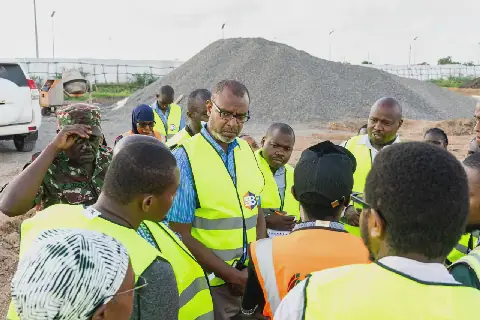
Overall, farmers in the Kaolack region believe that the situation is under control. Kitane noted that their region is faring better than some other areas in the country, such as Koungheul and Nioro. He praised the Senegalese Minister of Agriculture for visiting the region and assessing the situation firsthand. The minister's visit and subsequent actions have reassured farmers that their concerns are being addressed.
The recent rainfall has not only brought relief to farmers but also highlighted the importance of timely weather patterns for agriculture in Senegal. The country's agricultural sector is a significant contributor to its economy, and weather-related challenges can have substantial impacts on crop yields and food security. As the growing season progresses, farmers in the Kaolack region will continue to monitor weather conditions closely.
The Senegalese government's efforts to support farmers and improve agricultural productivity are ongoing. Initiatives such as the Digital Farming School in Côte d'Ivoire and projects focused on valorizing agricultural residues, like the one in Tambacounda, demonstrate the commitment to enhancing agricultural practices and resilience in the region. As farmers in Kaolack look to the future, they remain hopeful that their crops will thrive and contribute to the country's food security.
Key points
- The return of rainfall in Senegal's Kaolack region has brought relief to farmers, boosting hopes for their crops after a nine-day dry spell.
- The region's farmers are optimistic about the prospects of their crops, but acknowledge that prolonged dry periods can still have severe consequences.
- The Senegalese government's support for farmers and initiatives to improve agricultural productivity are ongoing, with a focus on enhancing resilience in the region.