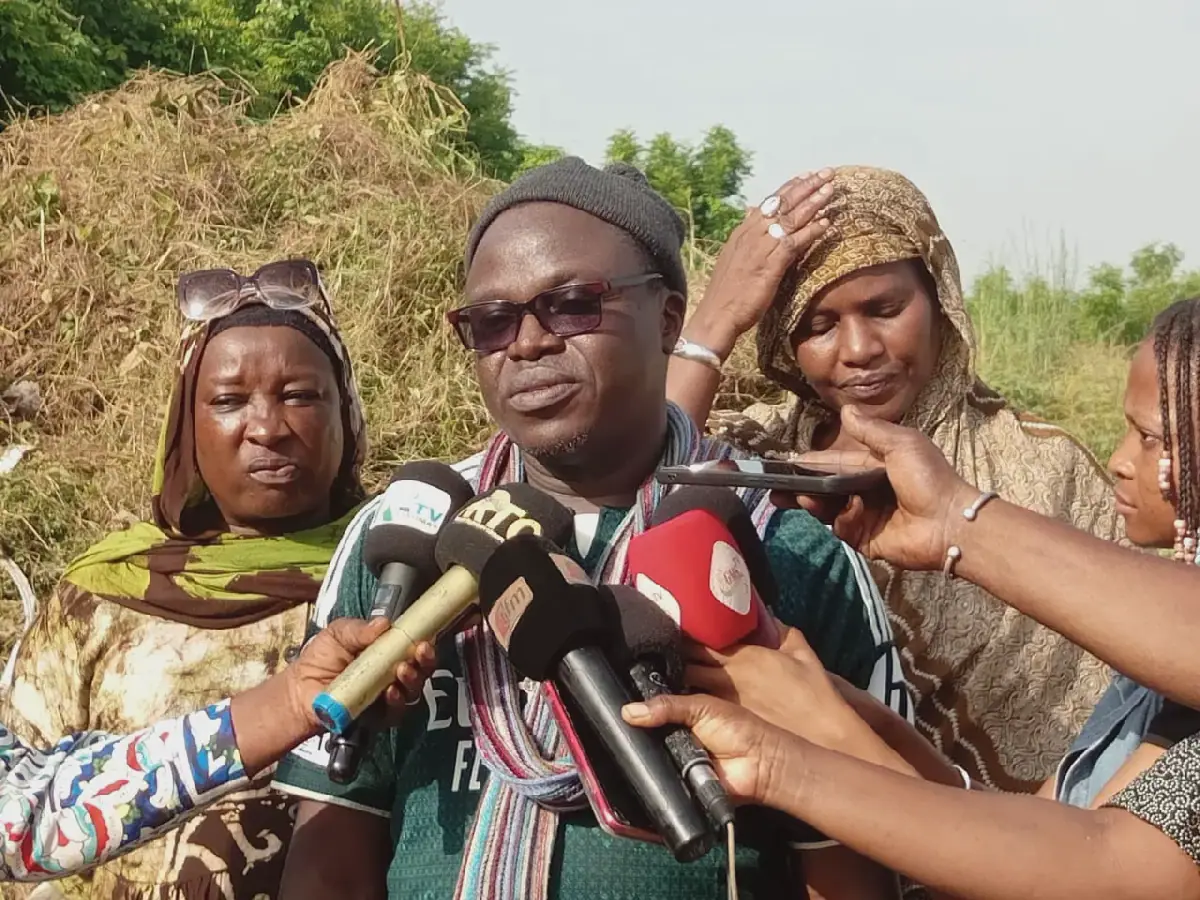
On November 7, a large group of volunteers gathered at the Ziguinchor Regional Hospital in Senegal for a clean-up initiative. The effort, which brought together youth movements, sports and cultural associations, women's groups, religious leaders, and citizens, aimed to rid the hospital of debris and overgrown vegetation that had accumulated during the rainy season. With brooms, rakes, and other cleaning tools in hand, participants worked to restore the hospital's environment.
The clean-up event was more than just a simple exercise in tidiness; it represented a broader ambition to make the hospital environment a key factor in the quality of care provided. Alphouseyni Diatta, head of the hospital's hygiene and safety department, emphasized the importance of a clean and well-maintained hospital in building patient trust and confidence. He cited the "One Health" approach, which recognizes the interconnectedness of human, animal, and environmental health.
Diatta noted that the COVID-19 pandemic had highlighted the interdependence of these different dimensions and stressed that a clean hospital was essential for providing quality care. He called for sustained mobilization to ensure that cleanliness was not just a one-off effort but an ongoing commitment. Léon Diédhiou, head of the hospital's social services department, also welcomed the initiative, emphasizing its significance in the aftermath of the rainy season.
The success of the clean-up event, according to Diédhiou, was due to the collaboration between community partners, stakeholders, and religious leaders, who had helped mobilize different segments of the population. The goal was to provide patients and their companions with a clean, comfortable, and dignified environment. Diédhiou expressed gratitude to all participants for their voluntary engagement.
Diatta praised the availability of various groups, including young people, security agents, and religious leaders, who had contributed to the initiative's success. He particularly commended Serigne Dame Dieng for his role in mobilizing the faithful, which had been instrumental in the event's outcome. The clean-up effort had demonstrated that hospital cleanliness was a collective responsibility.
The event went beyond just cleaning the hospital; it showed that the hospital was not just the responsibility of healthcare workers and administrators but also of the community. The goal was to create a welcoming and attractive environment for all users. The hospital's management and administration had expressed their gratitude to the participants for their commitment.
The clean-up initiative was seen as a crucial step towards achieving a healthier environment for patients and staff. The event had brought together a diverse group of people who shared a common goal of improving the hospital's environment. The hospital's administration hoped that such initiatives would continue to be organized in the future.
Key points
- The clean-up event at Ziguinchor Regional Hospital was a collective effort to improve the hospital's environment and quality of care.
- The initiative was supported by various groups, including youth movements, sports and cultural associations, women's groups, and religious leaders.
- The hospital's administration emphasized the importance of sustained mobilization to maintain a clean and well-maintained hospital environment.