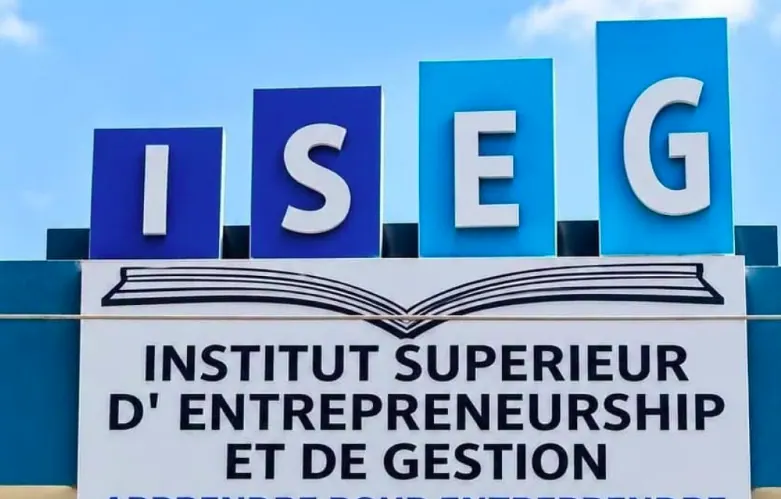
The Institut Supérieur d’Entrepreneurship et de Gestion (ISEG) in Senegal has responded to being listed as an unrecognized institution by the Ministry of Higher Education, Research, and Innovation (MESRI). In an official statement released on October 3, 2026, ISEG firmly disputes the allegations and announced plans to take legal action. The institute claims it has been operating with a valid accreditation since 1996 and has undergone several evaluations.
ISEG boasts over 30 years of experience in Senegal's educational landscape. According to the institute, it obtained a definitive accreditation from the state in 1996, and in 2008, it received a habilitation from the Agence Nationale d'Assurance Qualité du Supérieur (ANAQ-Sup) for Open and Distance Learning (FOAD). ISEG also highlights its partnerships with European institutions, including Erasmus Mundus and Erasmus Plus.
The MESRI's list specifically criticized ISEG's regional and suburban campuses established from 2010 onwards. However, ISEG asserts that these campuses were granted provisional accreditations by the Directorate of Higher Education. The institute also points out that several of its Bachelor's and Master's degrees were accredited by the Conseil Africain et Malgache pour l'Enseignement Supérieur (CAMES) until 2021.
ISEG's response comes as a strong reaction to what it perceives as unjustified attacks on its reputation. The institute feels that being included on the blacklist causes significant moral and institutional prejudice to its teaching staff, students, and thousands of graduates. ISEG is determined to protect its image and the interests of its alumni.
In reaction to the Ministry's publication, ISEG plans to file a lawsuit against MESRI. The institute believes that the Ministry's actions are unjustified and harm its reputation. ISEG remains open to dialogue with the Ministry to clarify its administrative situation but is prepared to contest the accusations in court.
The conflict between ISEG and MESRI raises concerns about the governance of Senegal's private higher education sector. Other private institutions may face similar scrutiny as the Ministry seeks to regulate the sector. ISEG's case highlights the complexities of ensuring quality education while respecting institutional autonomy.
The outcome of ISEG's lawsuit against MESRI will likely have implications for the future of private higher education in Senegal. The case may set a precedent for how disputes between institutions and regulatory bodies are resolved. ISEG's determination to clear its name and protect its reputation underscores the importance of effective communication and collaboration between institutions and regulatory authorities.
Key points
- ISEG disputes MESRI's accusations and plans to take legal action.
- The institute claims it has valid accreditation and habilitation from relevant authorities.
- The case may have implications for the governance of Senegal's private higher education sector.