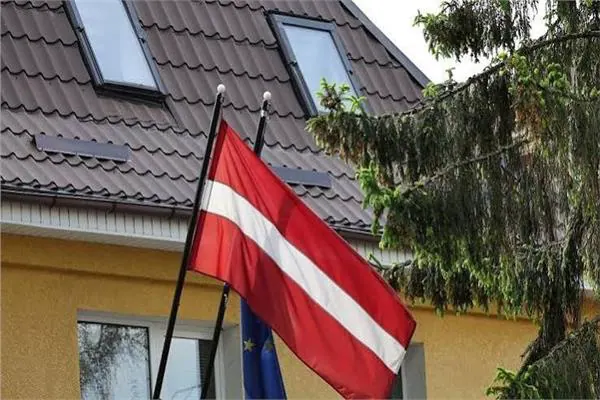
Latvia's Prime Minister, Andris Kolsbergs, has stated that his party's significant win in the legislative elections reflects the country's desire for "change". His party, the "United List", secured 35.5% of the votes, gaining 42 seats in the 100-seat parliament. This result marks a significant milestone since Latvia's independence in 1990. The party's pro-European Union stance and support for Ukraine were key factors in their success.
The "United List" party, which is center-right, formed a coalition with other parties, including the "National Alliance" and the "New Unity" party. However, the "Union of Greens and Farmers", a current coalition partner, failed to cross the 5% vote threshold required to enter parliament. The elections were marked by low voter turnout, with only 51.8% of eligible voters participating. The results indicate that the current coalition parties secured 50.5% of the votes.
Populist parties made significant gains in the elections, with "Latvia First" securing 13.1% of the votes and 17 seats, and "Sovereign Power" gaining 11.7% of the votes and 15 seats. These parties are expected to play a crucial role in coalition negotiations. The rise of populist parties reflects growing concerns about security and economic issues in Latvia.
Security concerns were a dominant theme in the elections, with Latvia's proximity to Russia and Belarus being a major issue. Latvia has increased its defense spending to around 5% of its GDP, citing Russia as its primary strategic threat. The country's commitment to European integration and security cooperation was a key factor in the "United List" party's success.
The results of the elections will have significant implications for Latvia's future, particularly in terms of its relationships with European partners and its stance on security issues. Prime Minister Kolsbergs will now need to form a coalition government that commands a majority in parliament. The negotiations are expected to be challenging, given the rise of populist parties.
The elections in Latvia reflect broader trends in European politics, with concerns about security, immigration, and economic stability driving voter behavior. The results also highlight the ongoing debate about European integration and the role of populist parties in shaping national agendas.
The international community is closely watching the developments in Latvia, particularly given the country's strategic location and its commitment to European security. The country's ability to navigate the challenges posed by the rise of populist parties will be crucial in determining its future trajectory.
Key points
- The "United List" party's significant win reflects Latvia's continued commitment to European integration and security cooperation.
- Populist parties made significant gains in the elections, securing a combined total of 24.8% of the votes.
- The elections highlighted the ongoing debate about European integration and the role of populist parties in shaping national agendas.