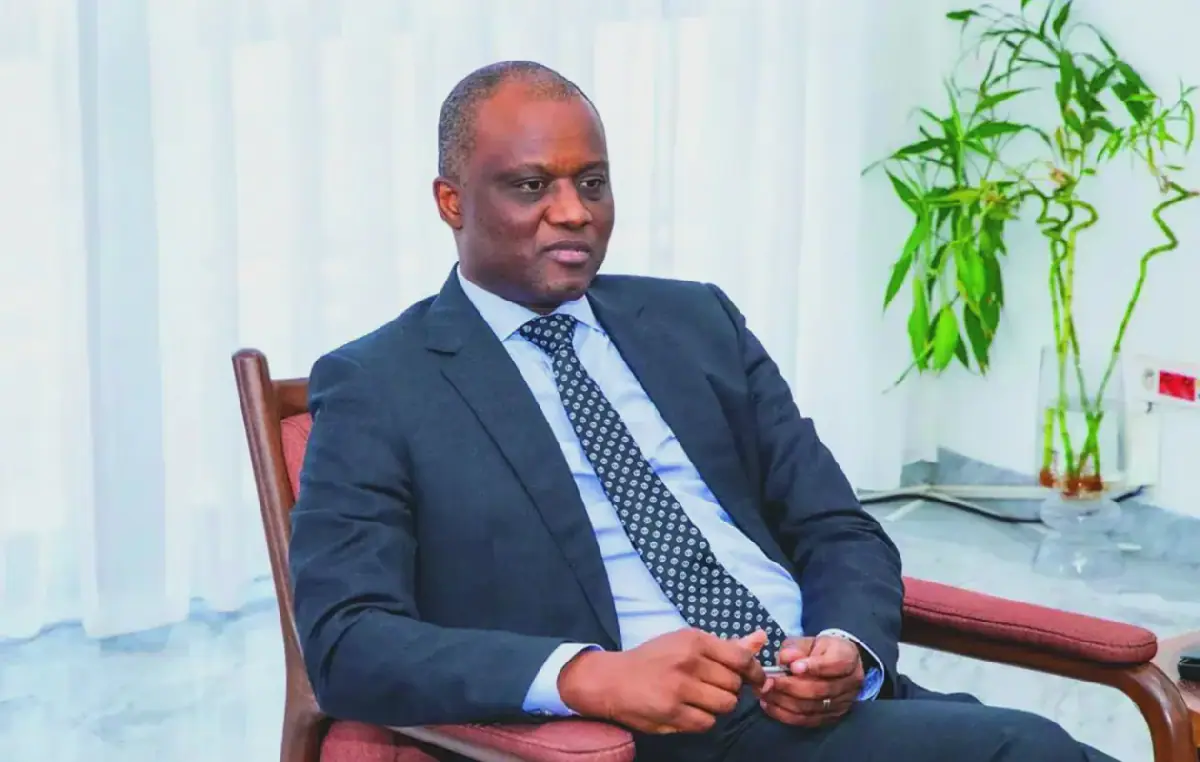
Abdourahmane Sarr, Senegal's former Minister of Economy, has called for an update to the country's agreement with the International Monetary Fund (IMF). In a recent statement, Sarr emphasized the need to reassess Senegal's debt sustainability, citing improved budget execution in 2026 and enhanced refinancing capacities. He made this statement following a press conference by IMF's Director of Communication, Julie Kozack, who discussed the IMF's role in advising Senegal on economic policies.
The IMF's current agreement with Senegal, known as the Staff Level Agreement (SLA), was reached in September. However, Sarr argues that two key factors necessitate a review: the country's better-than-expected budget execution in 2026, which could lead to a more ambitious consolidation plan, and improved refinancing capacities. These factors include a resilient regional market in the West African Economic and Monetary Union (UEMOA) and potential credit enhancements.
Sarr also highlighted the importance of integrating UEMOA's medium-term refinancing capacities, multilateral guarantees, and concessional budget support into the debt sustainability analysis. This, he believes, would enable the design of a program with the IMF that avoids debt restructuring and the G20's common framework. The goal is to establish a more solid budget trajectory and secure alternative financing assurances.
The former minister emphasized that Senegal's economic sovereignty is at stake, as a two-year analytical disagreement with the IMF has compromised the country's ability to refinance its debt. Sarr urged the IMF to update its analysis and consider alternative financing options that could prevent debt restructuring. He stressed that the IMF's influence on Senegal's financing possibilities is significant and that the institution should not be an obstacle to finding alternative solutions.
The IMF has stated that it respects Senegal's sovereignty and is not directly involved in discussions between the country's institutions. However, Sarr noted that the IMF's analyses have a direct impact on the possibilities of compromise and financing. He called on the IMF to be more flexible and consider updating the initial program negotiated with Senegal.
Sarr's statement reflects a broader concern about the impact of IMF policies on Senegal's economic development. He emphasized the need for Senegal to defend a credible national strategy without being constrained by analytical disagreements with international financial institutions. The country's economic liberation, he believes, requires the ability to make objective decisions about its economic policies.
The situation highlights the challenges faced by Senegal in its negotiations with the IMF. The country's ability to secure financing and implement its economic plans depends on a mutually agreeable solution. As Sarr noted, the IMF's willingness to update its analysis and consider alternative financing options will be crucial in determining the outcome of the negotiations.
Key points
- Abdourahmane Sarr requests IMF to reassess Senegal's debt sustainability.