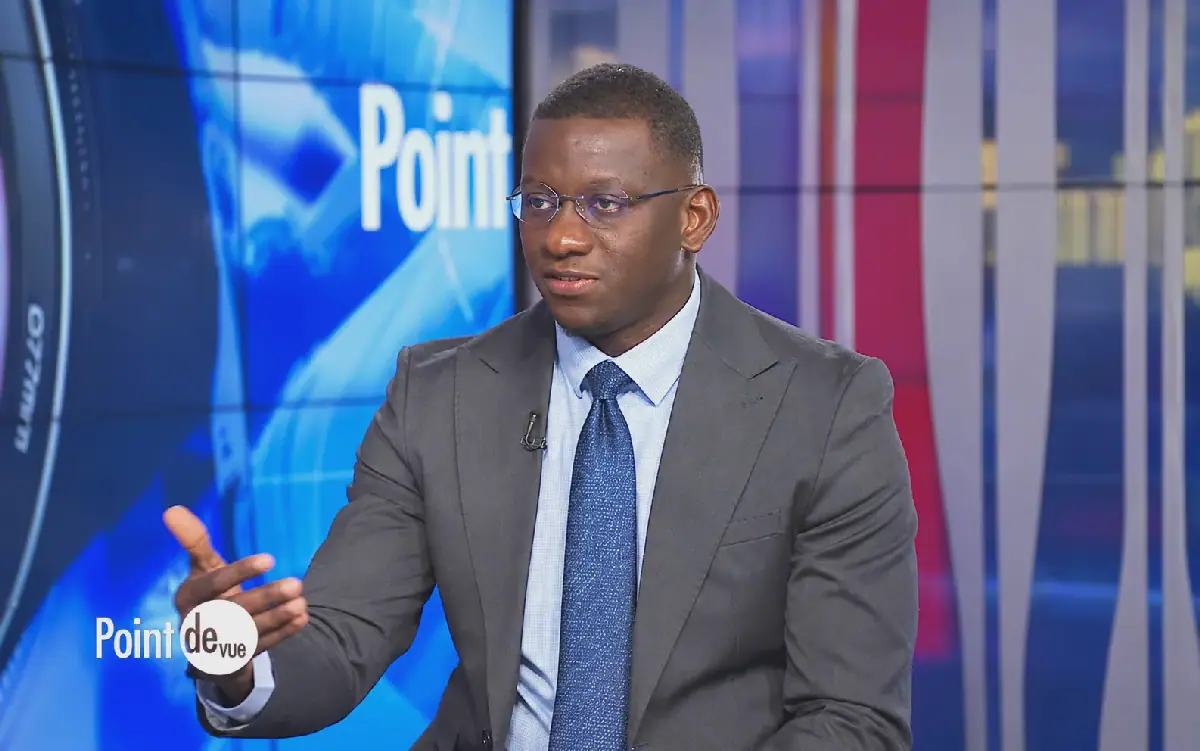
A dispute between Senegal's executive and parliament over public finances has sparked concerns about the country's economic stability. Mamadou Manizor Thiam, a financial expert, warns that the impasse could have far-reaching consequences for the economy. The rejection of the 2026 supplementary budget and delays in approving ministerial budgets for 2027 have created a crisis that could weigh heavily on Senegal's economy. Thiam attributes the crisis to a deeper institutional issue.
Thiam notes that the disagreement is not just about budget allocations but also about the quality of information provided to parliamentarians and the ability of the two institutions to agree on budgetary choices. He emphasizes that the rule of budgetary sincerity requires that forecasts and decisions be backed by solid evidence. The expert acknowledges parliament's right to oversee the executive but questions the economic cost of a prolonged blockade, especially given Senegal's debt, revenue mobilization challenges, and anticipation of a new program with the International Monetary Fund (IMF).
The rejection of the supplementary budget on November 3 was particularly concerning, as it aimed to adjust the 2026 initial budget to reflect changes in state resources and expenditures. Parliamentarians cited insufficient budget justifications and doubts about the sincerity of the documents submitted. The executive defended the need for arbitration in a context of strong financial constraints. Thiam fears that the political confrontation may overshadow the search for a financial solution.
The difficulties encountered during the examination of ministerial budgets for 2027 reinforce Thiam's concerns. If the blockages persist, Senegal risks having a reduced capacity to program and execute its expenditures within a budgetary framework adapted to its commitments. Thiam estimates that the budget deficit could reach 7.6% of GDP, compared to a reference norm of 3%, and notes a debt level of 128% of GDP, far exceeding the 70% threshold.
The Senegalese economy is also awaiting the concretization of a $2.2 billion program discussed with the IMF. Thiam believes that the release of this program depends on the country's ability to formalize and validate the associated commitments. Financial institutions need concrete guarantees, particularly on the budgetary and institutional levels. If the commitments negotiated are not validated by parliament, their implementation becomes uncertain.
The persistence of the disagreement could delay negotiations or the signing of the program agreement, according to Thiam. Several scenarios remain possible, and the outcome will depend on the risk assessment by the institutions concerned. This uncertainty occurs in a context where Senegal already faces a degradation of its financial rating. The maintenance of the blockade could accentuate investor prudence and complicate the economy's financing conditions.
Thiam also draws attention to the situation of the private sector, which is at the heart of the budget equation. The difficulties of enterprises have a direct impact on state resources, as the tax system relies heavily on their activity. He mentions the state's payment arrears to the private sector, estimated at nearly 300 billion CFA francs, which would fragilize companies dependent on public markets and their suppliers and subcontractors.
Key points
- The budget dispute may delay the release of a $2.2 billion IMF program.
- Senegal's economic stability is at risk due to the impasse between the executive and parliament.
- The country's private sector is also affected, with payment arrears estimated at nearly 300 billion CFA francs.