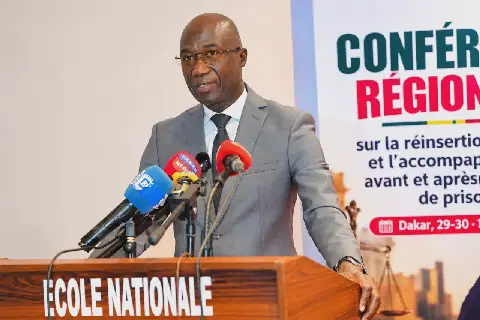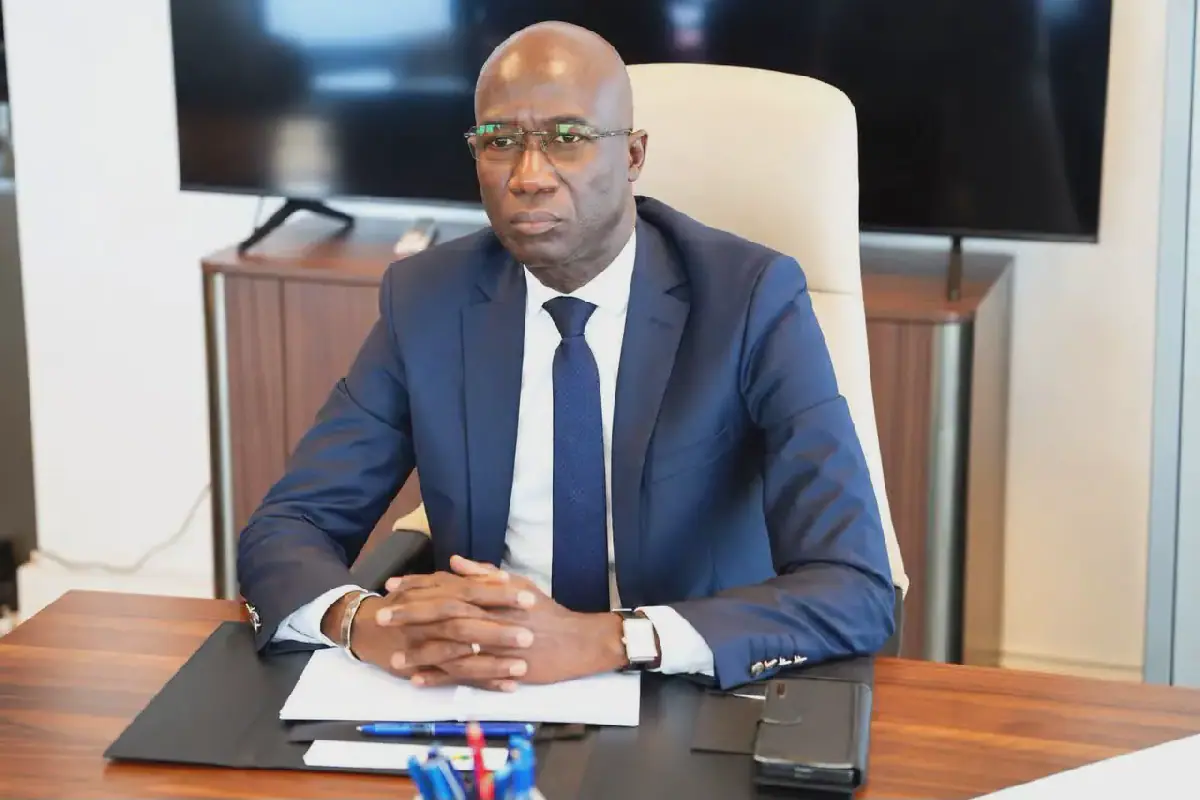
Senegal's Minister of Justice, Me Moussa SARR, has reaffirmed the government's commitment to reforming the country's prison system, prioritizing dignity and rehabilitation. Speaking at a regional conference on social reintegration and support for prisoners, SARR emphasized the need for a new approach to prison management. He questioned what should happen to individuals after their detention, highlighting the importance of preparing them for their return to society. The conference, held in Dakar, brought together experts from Senegal and several other countries.
The Senegalese government has taken concrete steps to address the challenges facing the prison system. The Prime Minister has authorized the recruitment of 418 new agents in 2026, aiming to alleviate the workload of existing staff and provide individualized support to prisoners. This move is part of a broader effort to reform the prison system and focus on rehabilitation. The additional personnel will help to improve the living conditions and services provided to prisoners.
Education and vocational training are key components of the government's prison reform strategy. The Ministry of Justice is working with the Ministry of Higher Education to allow prisoners with a high school diploma to enroll in the University of Cheikh Hamidou Kane's online programs. Additionally, the government is strengthening school support for prisoners preparing for exams, in collaboration with the National Education ministry. These initiatives aim to equip prisoners with the skills and knowledge necessary for their reintegration into society.
The government has also launched an agricultural project to promote vocational training and rehabilitation. Land has been allocated in the north of the country for the development of large rice cultivation areas, providing prisoners with practical skills and work experience. This initiative not only helps to prepare prisoners for life after release but also contributes to the country's agricultural development. The project is expected to create new opportunities for prisoners and support their social reintegration.
The issue of prison overcrowding remains a significant challenge for the Senegalese prison system. Me Moussa SARR has called on magistrates to make greater use of alternative sentences, such as suspended sentences, community service, and electronic monitoring, for minor offenses. He emphasized that reintegration is a collective responsibility, requiring the involvement of local authorities, businesses, and civil society. The government is seeking to promote a more nuanced approach to justice, focusing on rehabilitation rather than simply punishment.
The conference on social reintegration and support for prisoners brought together experts from several countries, including Germany, Morocco, Tunisia, and Algeria. The event provided a platform for sharing best practices and experiences in prison reform and rehabilitation. Senegal's efforts to reform its prison system have been recognized as a positive step towards promoting human rights and dignity.
The government's commitment to prison reform has been welcomed by stakeholders, who see it as an opportunity to promote social cohesion and reduce recidivism. The initiatives launched by the government, including recruitment, education, and agricultural projects, are expected to have a positive impact on the lives of prisoners and their families. As the government continues to implement its reform strategy, it is likely that Senegal's prison system will become a model for other countries in the region.
Key points
- The Senegalese government has launched a recruitment drive for 418 new prison agents in 2026 to alleviate staff workload and provide individualized support to prisoners.
- Prisoners with a high school diploma will be able to enroll in online university programs, and vocational training initiatives, including rice cultivation, are being implemented to promote rehabilitation.
- The government is promoting alternative sentences and community involvement to support the reintegration of prisoners into society.