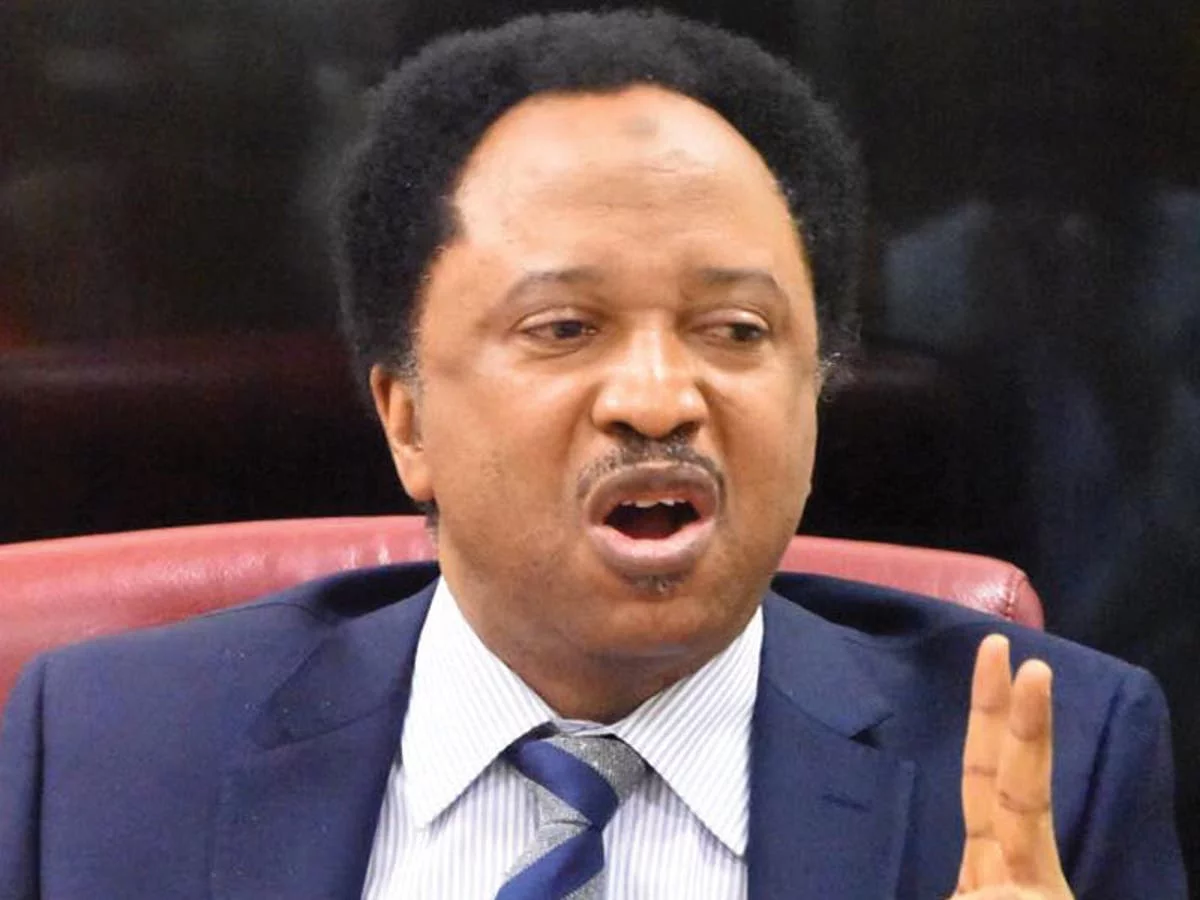
Former Kaduna Central Senator, Shehu Sani, has expressed concerns over the Federal Government's reported $700 billion mineral investment framework with the United States. The agreement, signed on the sidelines of the 81st United Nations General Assembly in New York, covers geological data and exploration, mineral development and processing, infrastructure, and technical capacity building. Sani described the agreement as a commendable achievement but raised concerns over the insufficient disclosure of its details.
The framework was signed by Minister of Solid Minerals Development, Dele Alake, and US Deputy Secretary of State, Christopher Landau. According to Sani, making the terms public before the signing would have allowed the National Assembly to scrutinize the agreement and ensure that Nigeria's national interests, as well as those of communities hosting mineral resources, were adequately protected. Sani emphasized the importance of transparency in such agreements.
Sani cautioned the Federal Government against allowing the agreement to become merely a mechanism for replacing Chinese mining interests or appeasing any foreign power. He urged the government to prioritize Nigeria's national interests and those of the host communities. The former senator also stressed the need for adequate consideration of security challenges in communities hosting strategic minerals, including lithium, gold, rare earth minerals, and uranium.
The implications of the agreement go beyond economics, with Sani arguing that mineral resources are also connected to national sovereignty and long-term strategic interests. He warned that agreements involving major powers could have long-term consequences for Nigeria, emphasizing the need for careful consideration. Sani's concerns highlight the complexities of international agreements and the need for transparency and accountability.
The Federal Government has described the framework as a basis for attracting American investment into Nigeria's estimated $700 billion mineral resources, with emphasis on local processing, infrastructure, skills development, and stronger mineral value chains. Alake said implementation would involve identifying viable projects, mobilizing investments, and building commercial partnerships. The government aims to leverage the agreement to boost Nigeria's economy.
Sani's criticism of the agreement highlights the need for effective communication and transparency in government dealings. The former senator's concerns have sparked a national conversation about the implications of the agreement and the need for accountability. As Nigeria seeks to harness its mineral resources, the government must balance economic interests with national sovereignty and the needs of host communities.
The $700 billion mineral investment framework is a significant development in Nigeria's economic landscape. As the country moves forward with implementation, it must address concerns around transparency, accountability, and national interests. The government's handling of the agreement will have far-reaching implications for Nigeria's economy, sovereignty, and relationships with international partners.
Key points
- Senator Shehu Sani criticizes Nigeria's $700 billion mineral deal with the US, citing secrecy and potential risks to national interests.
- The agreement covers geological data and exploration, mineral development and processing, infrastructure, and technical capacity building.
- Sani emphasizes the need for transparency and accountability in government dealings, highlighting the complexities of international agreements.