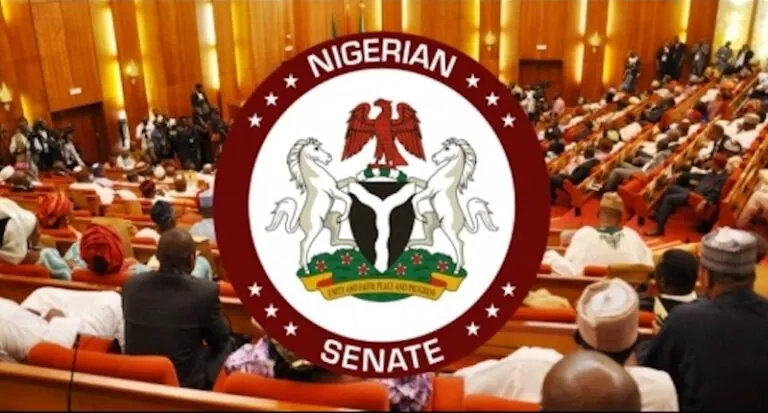
The Nigerian Senate has extended the implementation period of the 2025 capital budget from September 30 to December 31, 2026. This decision aims to allow the Federal Government to complete ongoing projects and settle outstanding obligations to contractors. The extension was approved after a bill sponsored by Senate Leader Opeyemi Bamidele scaled second and third readings under an expedited legislative process.
According to Bamidele, ministries, departments, and agencies require additional time to complete capital projects for which funds have already been appropriated and released. Factors contributing to delays include procurement procedures, contract execution, mobilisation, certification of completed works, and payment processes. The amendment creates a necessary legal and administrative window for MDAs to conclude ongoing projects.
The Senate Leader emphasized that the objective is to protect ongoing public investments, facilitate the completion of critical projects, prevent waste of public resources, and maximize the value derivable from funds already appropriated and released. He assured that the extension would not weaken accountability, fiscal responsibility, or legislative oversight. Deputy Senate President Barau Jibrin supported the bill, stating that it would give the government additional time to complete projects initiated under the 2025 budget.
The Minority Leader, Senator Abba Moro, also backed the extension but cautioned lawmakers against turning the debate into a platform for political recrimination. Moro urged lawmakers to focus on measures that would improve budget implementation rather than engage in political comparisons. Senator Mohammed Tahir Monguno raised concerns over delays in the government’s payment system, calling for a review of the centralised payment system.
Following the debate, the Senate referred the bill to the Committee of Supply, which recommended the extension of the implementation period to December 31, 2026. The Senate subsequently adopted the committee’s report and passed the bill. Senate President Godswill Akpabio stated that the extension was necessary because several contractors had either not completed their projects or had not received full payment for work executed under the 2025 Appropriation Act.
Akpabio warned against allowing projects to become abandoned due to the expiration of the implementation period. He urged the Federal Government to use the additional three months to clear outstanding payments and accelerate the completion of ongoing infrastructure projects. The Senate President expressed concern over the continued abduction of Nigerians and pledged renewed legislative action on insecurity, flooding, and the worsening cost-of-living crisis.
The Senate has resolved to deploy legislation, appropriation, and oversight to address pressing challenges facing citizens. Akpabio emphasized that the effectiveness of the Senate should ultimately be measured by improvements in the lives and security of Nigerians. The Senate will focus on measures to improve budget implementation, address insecurity, and mitigate the economic hardship confronting Nigerians.
Key points
- The Nigerian Senate has extended the 2025 capital budget implementation deadline to December 31, 2026.
- The extension aims to allow the Federal Government to complete ongoing projects and settle outstanding obligations to contractors.
- The Senate has also pledged renewed legislative action on insecurity, flooding, and the worsening cost-of-living crisis confronting Nigerians.