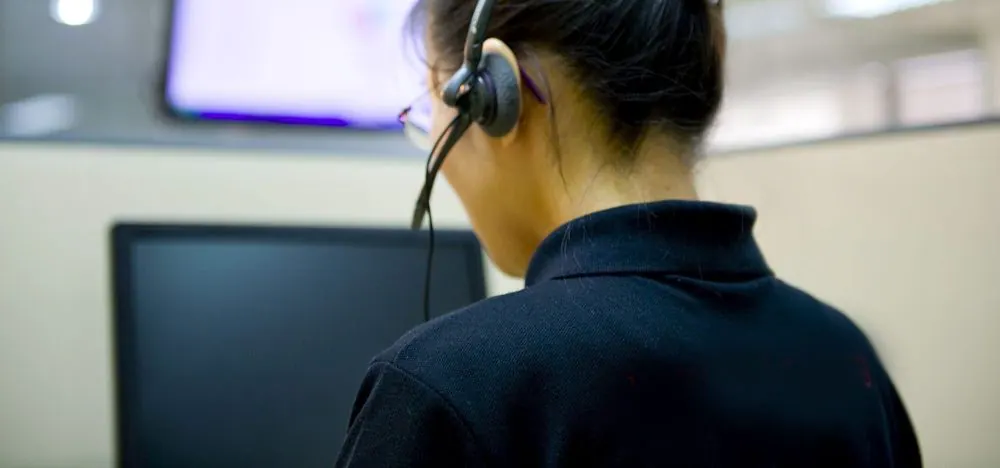
A surge in calls to South Africa's Gender-Based Violence Command Centre has brought emergency response systems under scrutiny. The Department of Social Development recorded 6,782 calls to the 24-hour centre between September 1 and 16, an average of 424 a day. This represents a 21% increase on the daily average of 350 recorded over the same period in August. The department revealed a spike in calls between September 13 and 16, when the centre received about 500 calls a day.
The increase in calls has raised concerns over the capacity of emergency response systems. Member of Parliament and Chairperson of the Parliament's Portfolio Committee on Police, Ian Cameron, has been vocal about the state of the 10111 system. According to parliamentary information supplied by SAPS, nearly 45% of operational 10111 centres for which conventional telephone-line figures were provided were operating with reduced line capacity. Cameron emphasized that the problem cannot be reduced to statistics, highlighting the urgency of the situation.
The 10111 system's limitations have been highlighted by experts. Gender specialist on violence against women Lisa Vetten said the growing number of women seeking help must be considered alongside the ability of emergency services to respond when those women reach out. Vetten raised concerns over the failure of SAPS's 10111 emergency response ability, particularly as the delay in police intervention could leave a woman exposed to further violence. She noted that a dysfunctional emergency system could reinforce an abusive partner's sense of power.
The State's response to the crisis has been criticized. Deputy Minister in the Presidency for Women, Youth and Persons with Disabilities Mmapaseka Steve Letsike said the issue went beyond the question of whether a telephone was answered. She emphasized that the State must examine the entire protection chain: prevention, access to help, the speed of the State's response, and what happens to a survivor afterwards. Letsike stressed that the State cannot encourage women to report violence without ensuring that the systems they are directed towards can translate those calls into protection.
SAPS has responded to the criticism. SAPS national spokesperson Brigadier Athlenda Mathe said the police service was continuously monitoring the operational capacity of its 10111 emergency call centres and addressing challenges relating to telephone-line capacity and infrastructure. Mathe noted that contingency measures are implemented to ensure that emergency calls are managed and that policing resources can still be mobilised. She emphasized that a telephone-line challenge at an individual 10111 centre should not be interpreted as meaning that emergency policing assistance was unavailable.
The Department of Social Development has acknowledged the surge in calls. The department revealed that on September 16 alone, 589 calls were recorded, the highest daily figure during the period. This comes amid heightened concern over violence against women, including reports that at least 12 women were found dead in Ekurhuleni. The department has called for a significant increase in gender-based violence-related calls to its 24-hour Gender-Based Violence Command Centre.
The emergency response system is due for an upgrade. Acting Police Minister Firoz Cachalia told Parliament that SAPS spent R19.3 million on 10111 systems over five financial years but made no capital investment to modernise its three main systems. The Cisco Unified Communications Manager has reached End-of-Life and End-of-Support, leaving it without software updates, security patches, or manufacturer support.
Key points
- The Department of Social Development recorded 6,782 calls to the 24-hour Gender-Based Violence Command Centre between September 1 and 16.
- Nearly 45% of operational 10111 centres were operating with reduced line capacity.
- SAPS spent R19.3 million on 10111 systems over five financial years without modernising its main systems.