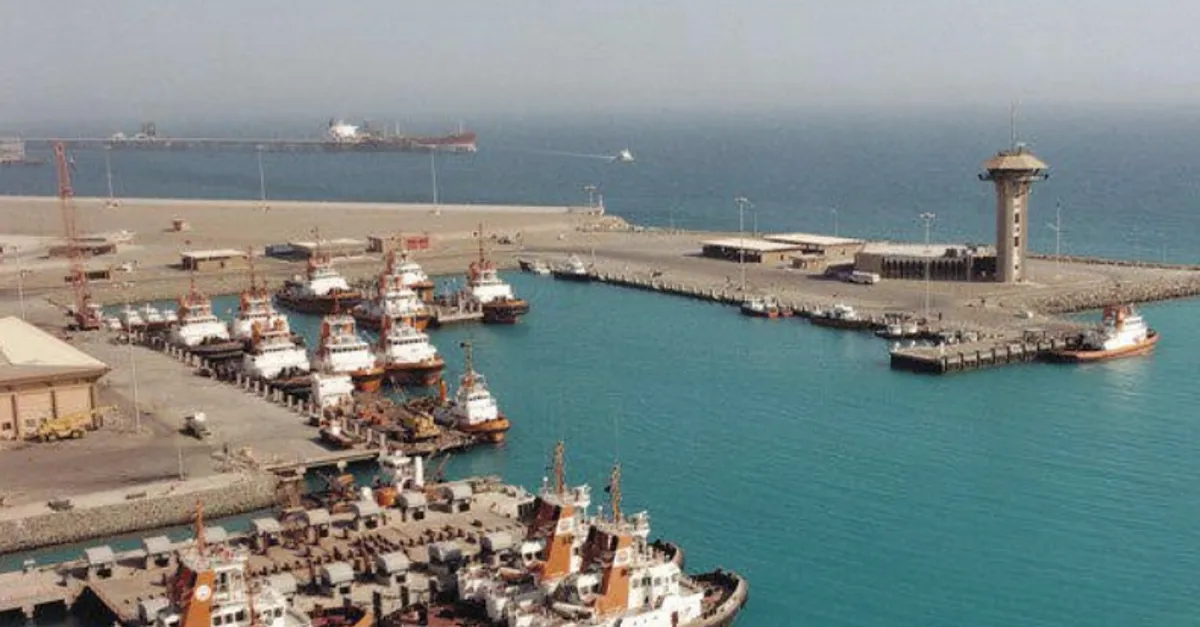
Saudi Arabia has restarted its East-West crude oil pipeline, a vital artery for transporting oil from the eastern production regions to the port of Yanbu on the Red Sea. According to sources familiar with the matter, the pipeline was restarted on Tuesday, with oil flowing through it once again. This move is expected to lead to the resumption of oil exports from Yanbu later in the day. The pipeline was shut down on September 13 following drone attacks that disrupted oil operations.
The East-West pipeline plays a crucial role in Saudi Arabia's oil infrastructure, allowing the kingdom to transport oil from its eastern regions to Yanbu, thereby providing an alternative to shipping routes in the Arabian Gulf. With the pipeline operational again, Saudi Arabia is poised to resume oil exports from Yanbu, potentially altering the dynamics of its oil export strategy. The sources, who wished to remain anonymous, confirmed that oil was flowing through the pipeline at reduced rates.
The shutdown of the East-West pipeline led to a significant disruption in Saudi Arabia's oil exports, forcing the kingdom to rely on alternative routes. In response, Saudi Arabia increased oil loadings from within the Arabian Gulf, with a notable surge observed on Sunday. This development suggests that the kingdom may be reorienting its oil export strategy, potentially shifting more exports towards the Strait of Hormuz.
The resumption of oil exports from Yanbu is a welcome development for Saudi Arabia, which has faced challenges in recent weeks due to attacks on its oil infrastructure. The kingdom has been working to restore its oil production and export capabilities, and the restart of the East-West pipeline is a significant step in this direction. According to sources, the pipeline's restart was made possible by repairs and maintenance efforts.
The incident highlights the vulnerabilities of Saudi Arabia's oil infrastructure and the potential risks associated with its reliance on critical transportation routes. The East-West pipeline is a vital component of the kingdom's oil export strategy, and its shutdown had significant implications for global oil markets. With the pipeline operational again, Saudi Arabia is better positioned to meet its oil export commitments.
The restart of the East-West pipeline also underscores Saudi Arabia's commitment to maintaining the stability of global oil markets. The kingdom has been working closely with its international partners to ensure that oil supplies are not disrupted, and the resumption of oil exports from Yanbu is a testament to these efforts. Saudi Arabia's oil exports are a critical component of the global energy landscape.
The resumption of oil exports from Yanbu is expected to have a positive impact on global oil markets, which have been closely watching Saudi Arabia's oil production and export levels. With the East-West pipeline operational again, Saudi Arabia is poised to maintain its position as a leading oil exporter, and the kingdom's oil exports are likely to continue to play a significant role in shaping global energy trends.
Key points
- Saudi Arabia has restarted its East-West crude oil pipeline, paving the way for resumed oil exports from its Red Sea port of Yanbu.