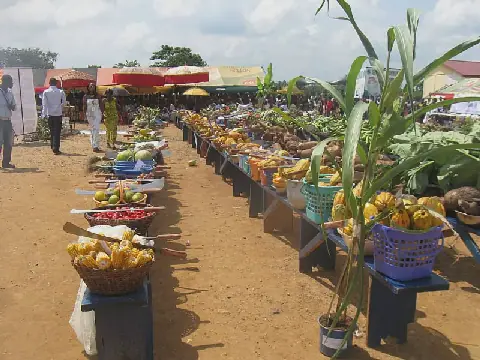
The Food and Agriculture Organization (FAO) of the United Nations, in collaboration with the Rwanda Environment Management Authority (REMA), the Rwanda Forestry Authority (RFA), and the City of Kigali, is set to launch the Edible Urban Forests Initiative (EUF). This project, implemented through the FAO's Technical Cooperation Programme, aims to transform unused urban spaces into fruit-bearing tree plantations. The initiative is designed to increase food production, promote environmental conservation, and enhance the resilience of urban areas to climate change.
Under the EUF initiative, a total of 55,000 fruit trees will be planted using the grafting method. The trees include mangoes, avocados, and various types of citrus and lemon trees. The selected areas for planting are in Kigali and surrounding regions. The project is expected to not only increase fruit production but also enhance biodiversity in urban areas, restore damaged ecosystems, and improve the urban environment's capacity to withstand the impacts of climate change.
The EUF initiative aligns with Rwanda's national development goals, including Vision 2050, the Second National Strategy for Economic Development (NST2), and the Green Growth and Climate Change Strategy (GGCRS). The project is also expected to contribute to the achievement of the United Nations' Sustainable Development Goals (SDGs), particularly those related to zero hunger, good health, sustainable cities, climate action, and life on land.
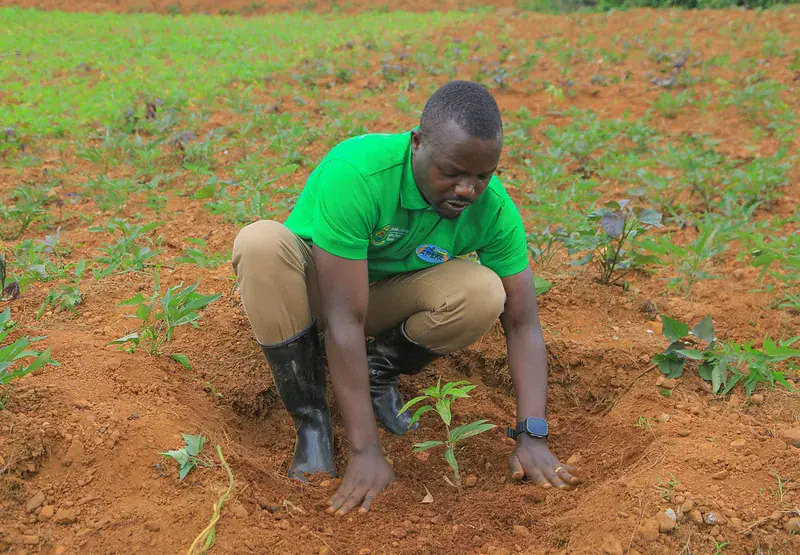
The launch of the EUF initiative is scheduled for November 28, 2026, in the Masaka sector, Kicukiro district. The event will be attended by high-ranking government officials, FAO representatives, environmental and agricultural experts, development partners, and local residents. Participants will join in a tree-planting ceremony to demonstrate the commitment of various stakeholders to environmental conservation and sustainable urban development.
The EUF initiative is expected to create jobs related to environmental conservation, promote community engagement, and support sustainable urban development. By planting fruit trees in urban areas, the project aims to provide a sustainable source of food, improve nutrition, and enhance the overall quality of life for urban residents.
The project will also contribute to the preservation of biodiversity, restoration of degraded ecosystems, and improvement of urban resilience to climate change. By engaging local communities in the tree-planting process, the EUF initiative seeks to raise awareness about the importance of environmental conservation and promote a sense of ownership among residents.
The launch of the EUF initiative marks a significant step towards achieving Rwanda's development goals and promoting sustainable urban development. The project's success will depend on the continued collaboration and commitment of various stakeholders, including government agencies, development partners, and local communities.
Key points
- The initiative aims to plant 55,000 fruit trees in Kigali and surrounding areas to enhance food security and environmental conservation.
Reporting sources
- MPAKUGEZE 27 NOV, 21:46 Kigali igiye gutera ibiti by'imbuto · https://www.kigalitoday.com/