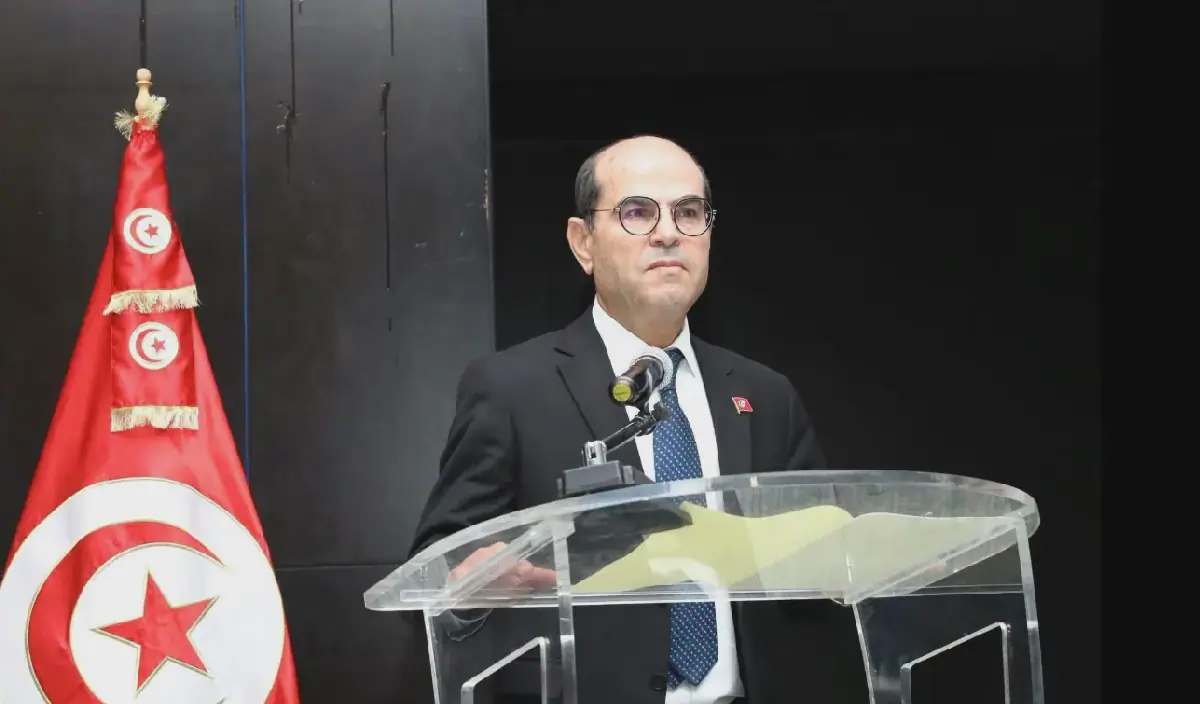
Tunisian Minister of Equipment and Housing, Salah Zouari, has emphasized the need to develop a roadmap to manage construction waste in the country. During a working day on "Construction Waste: Valorization and Circular Economy - New Prospects for Sustainable Infrastructure," Zouari highlighted the importance of creating a comprehensive framework to develop this sector and enhance coordination among various stakeholders. The event was attended by several high-ranking officials, experts, and representatives from relevant ministries and institutions.
The minister stressed that the phenomenon of dumping construction waste on roadsides poses a risk to road users, causes waterway blockages, and mars the urban landscape. He cited studies indicating that the volume of construction waste in Tunisia is approximately 14 million tons. Zouari also emphasized the need to evaluate the results achieved in recycling construction materials and using them for road construction, as this project has been underway for several years.
Zouari pointed out that valorizing construction waste can help reduce pressure on natural resource consumption and minimize waste. He noted that the Ministry is working to develop mechanisms to implement this approach and has started incorporating recycled materials into tender documents. The success of this initiative, however, depends on effective coordination and involvement from various stakeholders in the sector.
The working day aimed to bring together various stakeholders to discuss the challenges and opportunities related to construction waste management. Participants included the President of the National Union of Construction and Public Works Contractors, the General Director of Roads and Bridges, and the General Director of the Building and Construction Research Center. The event provided a platform for experts and officials to share experiences and expertise.
Minister Zouari called on participants to use this working day as a starting point for developing a practical vision for valorizing construction waste. He emphasized that this waste presents both environmental and urban challenges, but also offers opportunities for exploitation in road and infrastructure projects. The minister highlighted the importance of collaboration and coordination among stakeholders to achieve the desired goals.
The Tunisian government is seeking to promote a circular economy by encouraging the reuse and recycling of materials. The valorization of construction waste is seen as a key aspect of this strategy, which aims to reduce waste, conserve natural resources, and promote sustainable development. The Ministry of Equipment and Housing is working to develop policies and mechanisms to support this approach.
The working day on construction waste management is part of a broader effort to address environmental and urban challenges in Tunisia. The government is working to develop sustainable solutions to manage waste, promote recycling, and encourage the use of recycled materials in construction projects. By valorizing construction waste, Tunisia aims to reduce its environmental footprint and promote a more sustainable approach to development.
Key points
- The Tunisian government aims to develop a roadmap to manage construction waste and promote a circular economy.
- The volume of construction waste in Tunisia is approximately 14 million tons.
- The valorization of construction waste can help reduce pressure on natural resource consumption and minimize waste.
Reporting sources
- Radio Tunis · Radio Tunis