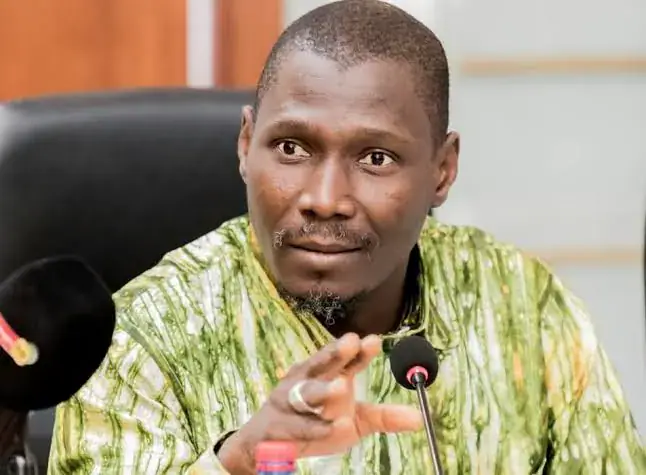
Guinean writer Sayon Mara recently published an article titled "L'Empire du Mali a-t-il véritablement existé?" which translates to "Did the Empire of Mali truly exist?" The article sparked a response from writer Alpha Issagha Diallo, who defended the use of the term "Empire of Mali." Mara's article aimed to stimulate debate on the topic, and he expressed admiration for Diallo's response. The exchange highlights the complexities of historical naming and cultural identity.
Mara and Diallo agree on several points, including the existence of medieval states, armies, pilgrimages, and dynasties in the Manden region. However, Mara's article focused on the specific name given to the empire founded by Soundjata Keita in the 13th century. The empire was known as Manden by its people, while outsiders referred to it as "Mali." Mara argued that the name "Mali" is an exonym, or a name given by others, and that it has become more widely used than the endonym "Manden."
Diallo drew an analogy with Germany, where the endonym "Deutschland" is used by the German people, while the exonym "Germany" is used by others. Mara found this example pertinent, as it highlights the distinction between a people's self-identifier and the name given by outsiders. Mara emphasized that the exonym "Mali" has been adopted as the name of a modern state, the Republic of Mali, which occupies only a part of the historical Manden empire.
The debate also touched on the work of historian Djibril Tamsir Niane, who used the term "Le Mali et la deuxième expansion manden" (Mali and the second Manden expansion). Mara argued that this title does not prove that "Mali" is the autonym, or self-identifier, of the empire. Instead, it shows that Niane used the term "Mali" as a convenient label, while distinguishing it from "Manden." The discussion also referenced the UNESCO designation of the "Charte du Manden" and "Sites historiques et paysages culturels du Manden," which use the term "Manden" to describe the historical empire.
Mara questioned the reliability of external sources, such as the accounts of Arab geographers and travelers like Al-Bakri, Al-Omari, Ibn Battuta, and Ibn Khaldoun. He argued that these sources often contain errors or linguistic distortions, and that they do not provide a direct understanding of how the Mandinka people referred to themselves. In contrast, the traditions of the djéli, or griots, and the Mandinka language itself provide a more authentic understanding of the empire's name and identity.
The origins of the name "Mali" are also a topic of discussion. Mara suggested that the name may have come from the deformation of "Manden" by Arab sources, while other sources propose that it may have originated from a comparison made by the Mandinka people to describe the empire's grandeur. The phrase "Ana Manden bara wara yo mali" in the Mandinka language means "Our Manden has become so big, so vast, it's like a hippopotamus," which may have been misinterpreted by external sources as "Mali."
The debate highlights the complexities of historical naming and cultural identity in the Manden region. Mara's article and Diallo's response demonstrate the importance of nuanced understanding and accurate representation of historical facts. The discussion also underscores the need to consider the perspectives and self-identifiers of the people being studied, rather than relying solely on external sources or labels.
Key points
- The Guinean writer's article sparked a debate on the historical accuracy and cultural significance of the Manden Empire's name.
- The term "Mali" is an exonym, or a name given by others, while the Mandinka people refer to their empire as "Manden."
- The debate highlights the complexities of historical naming and cultural identity in the Manden region.
Reporting sources
- Manden et Mali : de quoi parle-t-on exactement ? (Par Sayon Mara) · Le Révélateur 224