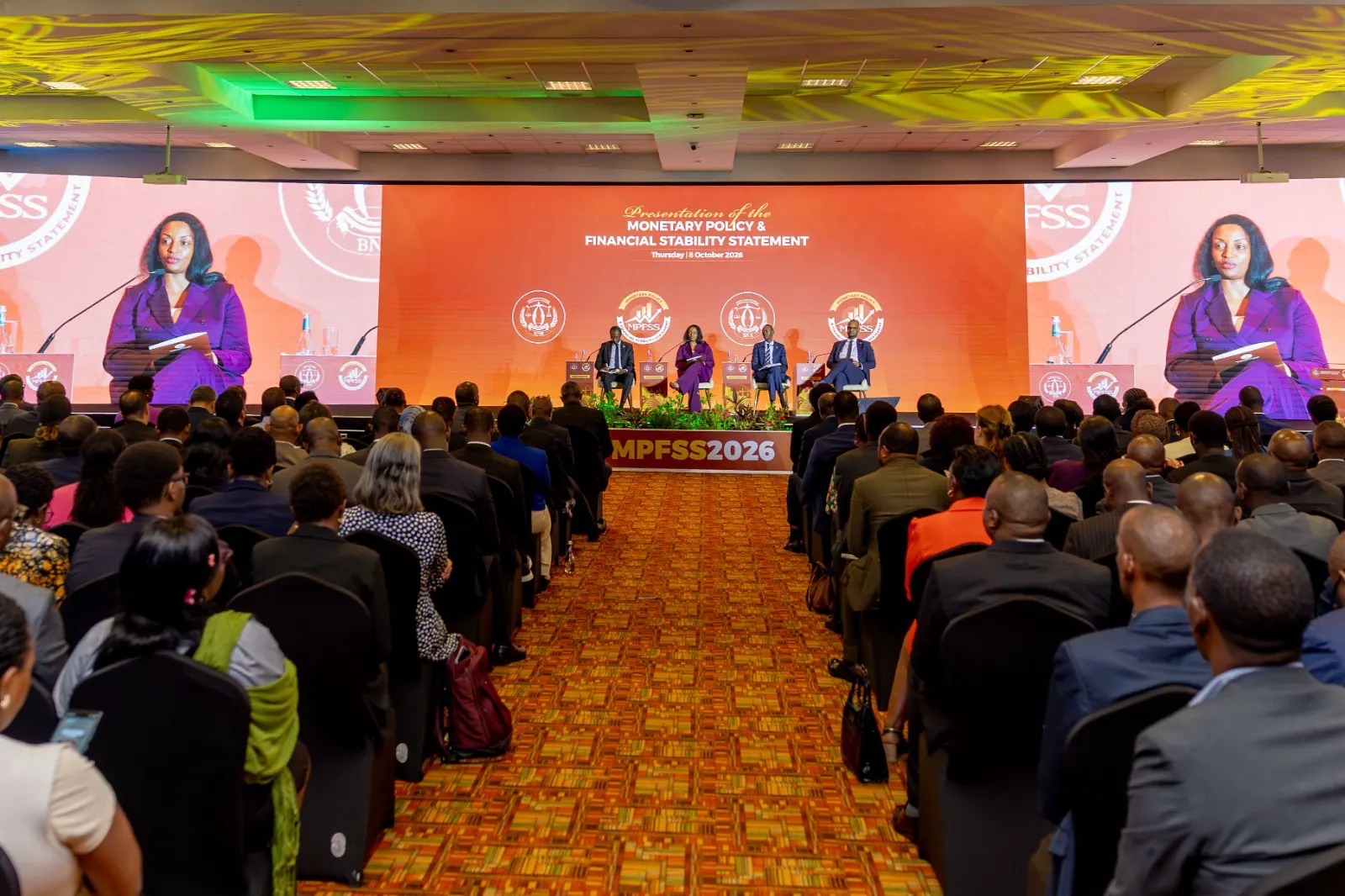
The National Bank of Rwanda (BNR) has forecasted that the country's inflation rate will peak at 13.9% in 2026 before decreasing to below 8% in the second quarter of 2027. This announcement was made on October 8, 2026, during the release of the Monetary Policy Committee's decisions. According to BNR Governor Soraya Hakuziyaremye, the inflation rate is largely driven by low agricultural production, rising fuel prices, and global market fluctuations.
In the first quarter of 2026, the inflation rate reached an average of 11.2%, compared to 7.3% in the previous year. This increase is attributed to rising prices of non-food items and fuel. Data from the National Institute of Statistics of Rwanda (NISR) shows that in August 2026, the inflation rate reached 15.7%, up from 14.5% in July. Transportation costs increased by 24.2%, while housing, water, electricity, gas, and other fuels rose by 20.4%. Food and non-alcoholic beverages increased by 16.3%.
Governor Hakuziyaremye noted that the inflation rate has exceeded the BNR's upper limit of 8% for the first two quarters of the year. The bank cited the increase in fuel and electricity prices, as well as low agricultural production, as contributing factors to the rising inflation rate. BNR also warned that the effects of inflation could persist if the underlying causes are not addressed.
The bank's governor explained that if people and businesses expect prices to continue rising, companies may increase prices, and employees may demand higher wages, leading to higher production costs. This could create a cycle of inflation, making it challenging to control. Hakuziyaremye emphasized the need for careful monitoring and potential policy interventions to mitigate the effects of inflation.
The National Bank of Rwanda uses monetary policy tools to reduce inflationary pressures and bring the inflation rate back to its medium-term target of 5%. Despite forecasting a high inflation rate for 2026, the bank expects inflationary pressures to ease in 2027. However, this outlook is subject to risks, including unpredictable weather conditions, agricultural production, global oil prices, and food prices.
The BNR's inflation forecast for 2027 is contingent upon various factors, including the impact of weather conditions on agricultural production, global market trends, and potential security risks in the region. The bank will continue to monitor the inflation rate and take necessary measures to ensure price stability.
The National Bank of Rwanda's commitment to controlling inflation is crucial for maintaining economic stability and promoting sustainable growth. The bank's proactive approach to addressing inflationary pressures will help mitigate the adverse effects of rising prices on the economy and the general population.
Key points
- The National Bank of Rwanda expects the inflation rate to decrease to below 8% in the second quarter of 2027.
- The current inflation rate is driven by low agricultural production, rising fuel prices, and global market fluctuations.
- The bank uses monetary policy tools to reduce inflationary pressures and bring the inflation rate back to its medium-term target of 5%.