The Kingdom of Bukunzi, located in what is now southern western Rwanda, has a rich history dating back to the 18th century. It was a powerful and independent kingdom that existed until its annexation by Belgian colonizers in 1925. The kingdom was known for its monarchs, who were believed to have the power to control rainfall. According to historical accounts, the rulers of Bukunzi would perform rituals to ensure rainfall, and in return, they would receive gifts from the Rwandan king, including at least five cows and their hides.
The kingdom's history dates back to the 18th century when King Kigeri III Ndabarasa appointed a rainmaker named Kija to rule over Bukunzi. Kija's descendants went on to become the rulers of the kingdom, with seven monarchs, all of whom were rainmakers, governing Bukunzi until its annexation. The kingdom's rulers were believed to have supernatural powers, including the ability to control rainfall, ward off pests, and heal cattle. They would also provide the Rwandan king with tribute, including cows and hides, in exchange for their autonomy.
One of the most notable monarchs of Bukunzi was Queen Nyirandakunze, who ruled alongside her son Ngoga Bihigimondo. According to historical accounts, Nyirandakunze was a powerful and influential queen who played a significant role in the kingdom's history. She was known for her intelligence and strategic thinking, which allowed her to maintain power and influence in the kingdom.
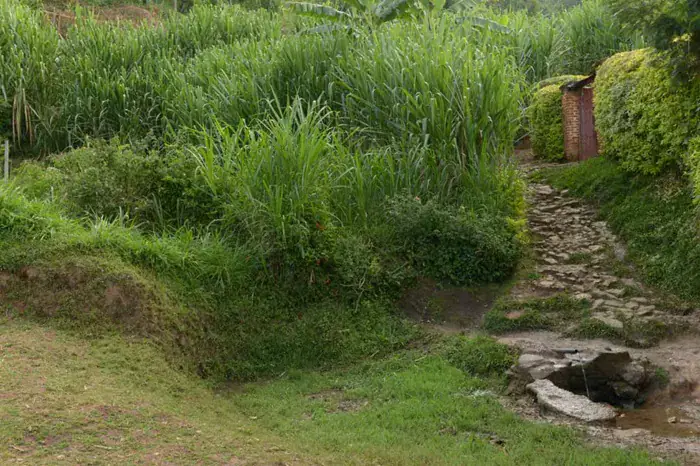
The Kingdom of Bukunzi's legacy continues to be felt in Rwanda today. The area where the kingdom once existed is now part of the Nyungwe National Park, a protected area known for its lush forests and diverse wildlife. Locals still tell stories of the kingdom's history and the supernatural powers of its rulers. The site of the former royal palace is now a small clearing surrounded by a swamp, where locals believe the king's horns, used for summoning rain, were once kept.
The kingdom's history is also marked by its interactions with European colonizers. The Belgian colonizers saw the kingdom as a threat to their authority and eventually annexed it in 1925. The last king of Bukunzi, Ngoga Bihigimondo, was captured and imprisoned in Kigali, where he died in October 1925. His mother, Queen Nyirandakunze, fled to the Cyamudongo forest, where she lived in hiding for a year.
The legacy of the Kingdom of Bukunzi serves as a reminder of Rwanda's rich cultural heritage. Despite its annexation by colonial powers, the kingdom's history and traditions continue to be celebrated by locals. The story of Queen Nyirandakunze and her son Ngoga Bihigimondo is a testament to the strength and resilience of Rwanda's monarchs and their people.
Today, visitors to the Nyungwe National Park can still see the site where the Kingdom of Bukunzi once existed. The area is a popular tourist destination, known for its stunning natural beauty and rich cultural heritage. As Rwanda continues to develop and grow, its historical kingdoms, including Bukunzi, remain an important part of its identity and cultural heritage.
Key points
- The Kingdom of Bukunzi was known for its rulers' alleged ability to control rainfall.
Reporting sources
- MPAKUGEZE 6 NOV, 21:07 Kera habayeho Abanyarwanda bafite ububasha bwo gutegeka imvura ikagwa · https://www.kigalitoday.com/