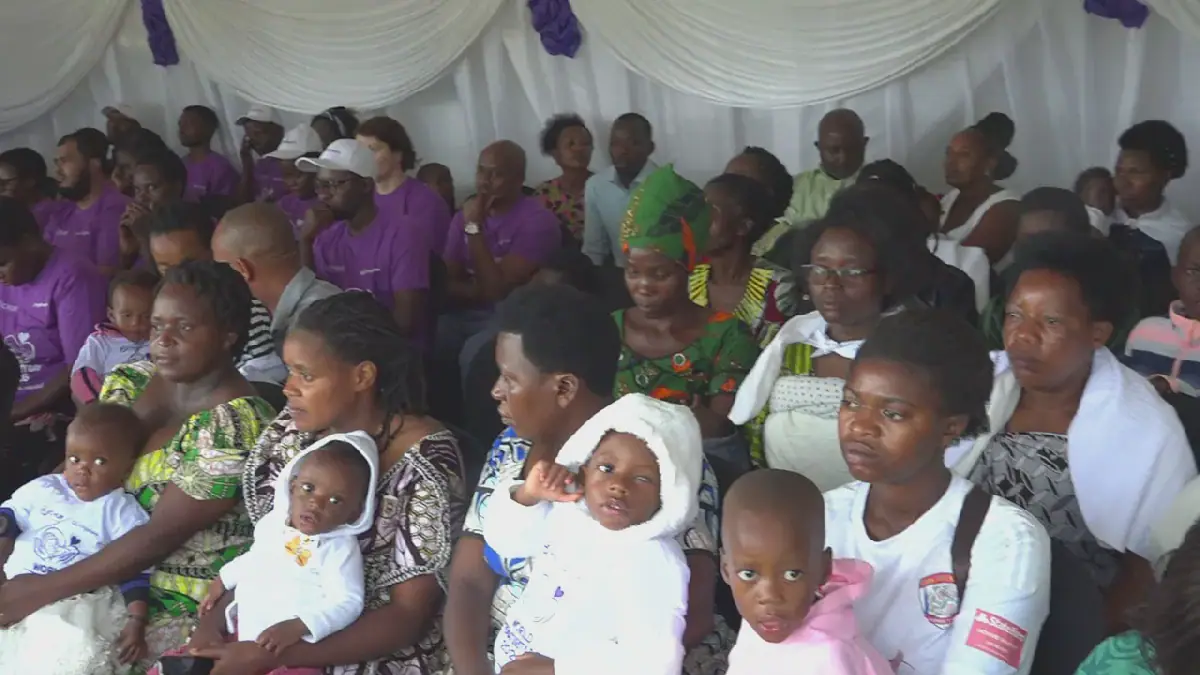
In Rwanda, a recent event at the University of Butare's CHUB hospital highlighted the struggles faced by parents of preterm babies. The hospital's efforts to address these challenges were commended, but many parents still struggle to provide adequate care for their babies after discharge. Christine Mukanibarebe, a mother of preterm twins, shared her experience of receiving excellent care at the hospital but facing difficulties in providing continued care at home.
Mukanibarebe expressed concerns about her babies' growth and development, citing the high costs of caring for preterm babies. She emphasized the need for patience and perseverance in caring for these children. Another mother, Claudine Mukamanzi, shared her experience of facing negative comments from people who doubted her baby's chances of survival and healthy growth. Mukamanzi encouraged other parents to stay positive and focused on their child's well-being.
Dr. Jean Baptiste Ntihumbya, Director General of Health in the Ministry of Health, attributed preterm births to various factors, including inadequate prenatal care. He emphasized the importance of regular check-ups and following medical advice to minimize risks. Dr. Ntihumbya also highlighted the need to change public perceptions of preterm babies, encouraging parents to provide love and support just like they would for full-term babies.
According to the Ministry of Health, approximately 35,000 preterm babies are born in Rwanda every year, accounting for one in ten births. The World Health Organization (WHO) defines preterm birth as babies born before 37 weeks of gestation. Dr. Ntihumbya urged expectant mothers to attend prenatal appointments and follow medical guidance to reduce the risk of preterm birth.
The Ministry of Health and other stakeholders are working to address the challenges faced by parents of preterm babies. Dr. Ntihumbya emphasized the need for a multidisciplinary approach to provide comprehensive care for preterm babies. This includes access to medical care, nutritional support, and counseling for parents.
The event at CHUB hospital highlighted the importance of raising awareness about preterm birth and reducing stigma around it. Parents of preterm babies need emotional support and practical assistance to care for their children. By working together, stakeholders can help improve the lives of preterm babies and their families.
The Rwandan government and partners can work to improve healthcare services for preterm babies and their families. This includes investing in healthcare infrastructure, training healthcare professionals, and providing resources for families. By doing so, they can help ensure that preterm babies receive the care they need to thrive.
Key points
- Preterm birth is a significant challenge in Rwanda, with approximately 35,000 cases annually.
- Inadequate prenatal care and social stigma are major concerns.
- A multidisciplinary approach is necessary to provide comprehensive care for preterm babies and their families.