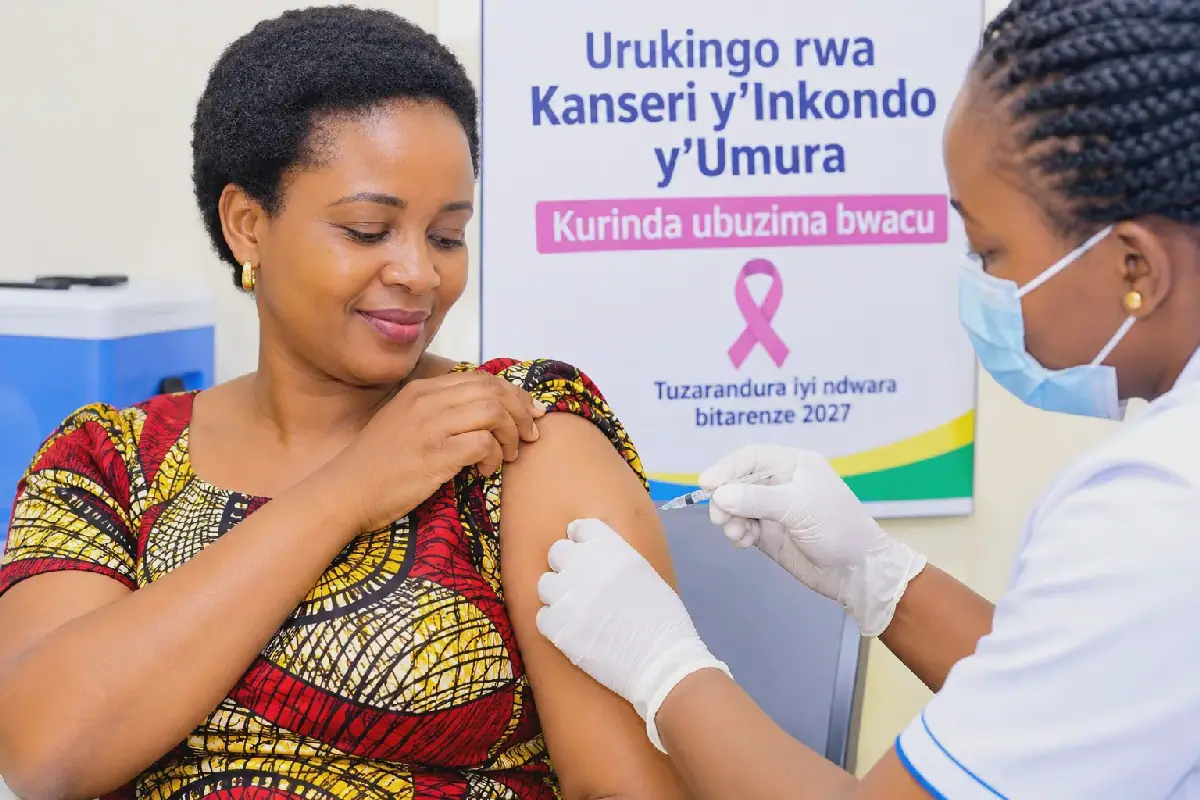
The Rwandan government has initiated a cervical cancer vaccination program for women aged 30-45. The program, launched on November 16, 2026, is implemented by the Rwanda Biomedical Centre (RBC) and offers free vaccinations at health facilities nationwide. Eligible women will receive two doses, with the second dose administered six months after the first. To receive the vaccine, women must provide identification or an approved document verifying their age.
The vaccination program builds upon an existing initiative to vaccinate 12-year-old girls against cervical cancer. The new program aims to expand protection to women aged 30-45, who are also eligible for cervical cancer screening and treatment services. According to RBC, cervical cancer remains a significant health concern in Rwanda, accounting for approximately 13% of all cancer cases.
The Rwandan government has set an ambitious goal to eliminate cervical cancer by 2027. The vaccination program for women aged 30-45 is a key strategy to achieve this goal. By increasing the number of vaccinated individuals, Rwanda aims to accelerate progress toward eliminating the disease. This initiative aligns with the World Health Organization's (WHO) global targets to eliminate cervical cancer by 2030.
The WHO's 90-70-90 targets aim to achieve 90% vaccination coverage for girls under 15, 70% screening coverage for women aged 35-45, and 90% treatment coverage for women diagnosed with cervical cancer or precancerous lesions. Rwanda's vaccination program for women aged 30-45 contributes to these global efforts.
To be eligible for the vaccination, women must provide identification or an approved document verifying their age. This requirement ensures that only eligible women receive the vaccine. The program's implementation is expected to increase vaccination coverage and reduce the incidence of cervical cancer in Rwanda.
Cervical cancer is a preventable disease that can be eliminated through vaccination and early screening. The Rwandan government's proactive approach to addressing this health concern is expected to have a positive impact on public health. The vaccination program is a significant step toward achieving the country's goal of eliminating cervical cancer by 2027.
The launch of the vaccination program demonstrates Rwanda's commitment to improving healthcare outcomes for women. By expanding protection to women aged 30-45, the government aims to reduce the burden of cervical cancer and promote overall well-being. The program's success will depend on effective implementation, community engagement, and continued support from healthcare providers and stakeholders.
Key points
- The Rwandan government has launched a cervical cancer vaccination program for women aged 30-45, aiming to eliminate the disease by 2027.
Reporting sources
- INDWARA 16 NOV, 15:47 U Rwanda rwatangiye gukingira abagore bafite imyaka 30–45 kanseri y’inkondo y’umura · https://www.kigalitoday.com/