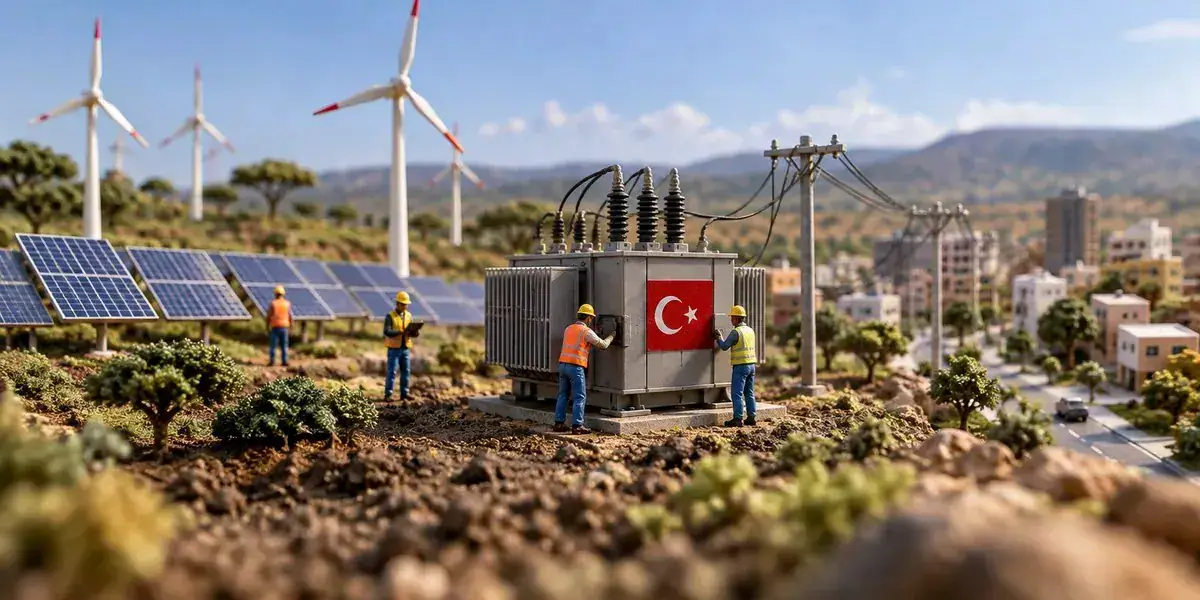
Ethiopia and Türkiye have taken a significant step in strengthening their energy cooperation with the signing of a memorandum of understanding in February 2026. The agreement, signed in Addis Ababa, outlines a framework for cooperation in areas such as electricity generation, grid infrastructure, renewable energy, and energy efficiency. This development was announced by Turkish Energy and Natural Resources Minister Alparslan Bayraktar during talks in Antalya on 10 November 2026.
The memorandum covers four key areas: electricity generation, grid infrastructure, renewable energy, and energy efficiency. The scope of the agreement allows for joint project development, transmission and network investment, supply-side clean power, and demand-side and system optimisation. This broad framework leaves project selection open to both governments, providing a platform for future collaborations.
The agreement was signed during a meeting between Turkish President Recep Tayyip Erdoğan and Ethiopian Prime Minister Abiy Ahmed in Antalya during COP31. Erdoğan reaffirmed Türkiye's commitment to expanding cooperation with Ethiopia, particularly in trade and investment. The Turkish delegation included high-level officials such as Foreign Minister Hakan Fidan, Treasury and Finance Minister Mehmet Şimşek, and Industry and Technology Minister Mehmet Fatih Kacır.
The memorandum is seen as a platform for projects rather than a project pipeline. Investors are awaiting details on tariffs, procurement, currency risk, and public-sector guarantees. The absence of announced capacity or investment value keeps the opportunity at an early stage. The next investable signal would be a named project with a sponsor, timetable, and financing structure.
Turkish contractors and equipment suppliers could benefit if Ethiopia moves from framework to tenders. Development finance institutions may also assess opportunities where projects improve grid reliability or expand renewable supply. Execution will depend on Ethiopia's procurement process and the allocation of payment risks. Grid projects require coordinated planning across generation assets, transmission investment, and public utilities.
The Antalya talks place energy cooperation within a broader investment relationship. The commercial pathway will partly track the pace of wider bilateral engagement. Investors should watch for feasibility studies, tender notices, and any sovereign or development-finance support before assigning value to this opportunity.
The agreement marks a significant step in Ethiopia's efforts to expand its power sector. With the country's growing energy needs, collaborations with international partners like Türkiye will be crucial. The memorandum is expected to pave the way for future projects that will improve grid reliability, increase renewable energy supply, and enhance energy efficiency in Ethiopia.
Key points
- The memorandum covers four key areas: electricity generation, grid infrastructure, renewable energy, and energy efficiency.
- The agreement provides a platform for projects, but investors are awaiting details on tariffs, procurement, and other key factors.
- Turkish contractors and equipment suppliers could benefit from future tenders in Ethiopia's power sector.
Reporting sources
- Ethiopia Türkiye energy MoU covers grids and renewables · FurtherAfrica