Rwanda's annual inflation rate has increased to 17.2% in September 2026, up from 15.7% in August. The National Institute of Statistics of Rwanda (NISR) reported that prices rose by 2.7% between August and September. This recent surge is attributed to the increased cost of food, transport, and housing. The inflation rate has significant implications for the country's economy and residents' purchasing power.
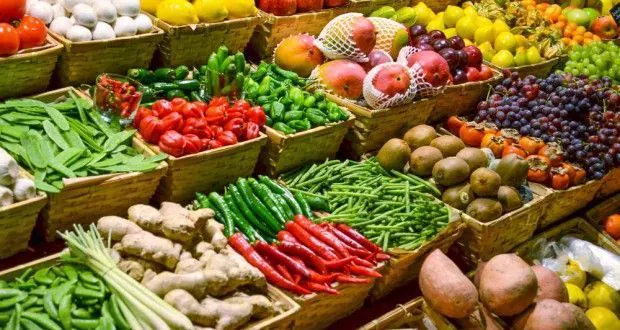
The NISR reported that food and non-alcoholic beverages recorded the largest monthly increase, at 5.3%. Compared with September 2025, food and non-alcoholic beverage prices were up 20.9%. This substantial rise in food prices is a major contributor to the overall inflation rate. The increase in food prices may be attributed to various factors, including seasonal fluctuations, supply chain disruptions, or changes in global market trends.
Transport costs rose by 22.4% compared to September 2025, while prices for housing, water, electricity, gas, and other fuels increased by 18.3%. Restaurant and hotel prices also rose by 18.9%. These increases in essential services and goods further contribute to the rising inflation rate. The surge in transport costs may be linked to changes in fuel prices, maintenance costs, or other factors affecting the transportation sector.
The NISR also reported that prices excluding fresh products and energy increased by 11.4% year on year in September. Fresh product prices rose by 27.9%, while energy prices increased by 45%. The significant rise in fresh product and energy prices is a notable concern for residents and businesses. The increase in energy prices may be attributed to changes in global market trends, supply and demand dynamics, or other factors.
The recent inflation rate increase may have implications for Rwanda's economic growth, poverty rates, and residents' living standards. The government and relevant authorities may need to address the underlying causes of the inflation rate surge to mitigate its effects. Possible measures could include monetary policy adjustments, supply chain interventions, or targeted support for affected sectors.
The inflation rate increase comes at a time when Rwanda is experiencing various economic and social challenges. The country is working to strengthen its economy, improve living standards, and address poverty. The recent inflation rate surge may require policymakers to reassess their strategies and develop new initiatives to address the emerging challenges.
The NISR will continue to monitor and report on the country's inflation rate, providing valuable insights for policymakers, businesses, and residents. The data will inform decision-making and help stakeholders develop effective strategies to address the challenges posed by the rising inflation rate.
Key points
- Rwanda's annual inflation rate rose to 17.2% in September 2026.
- Food and non-alcoholic beverage prices increased by 20.9% compared to September 2025.
- Energy prices rose by 45% year on year in September 2026.