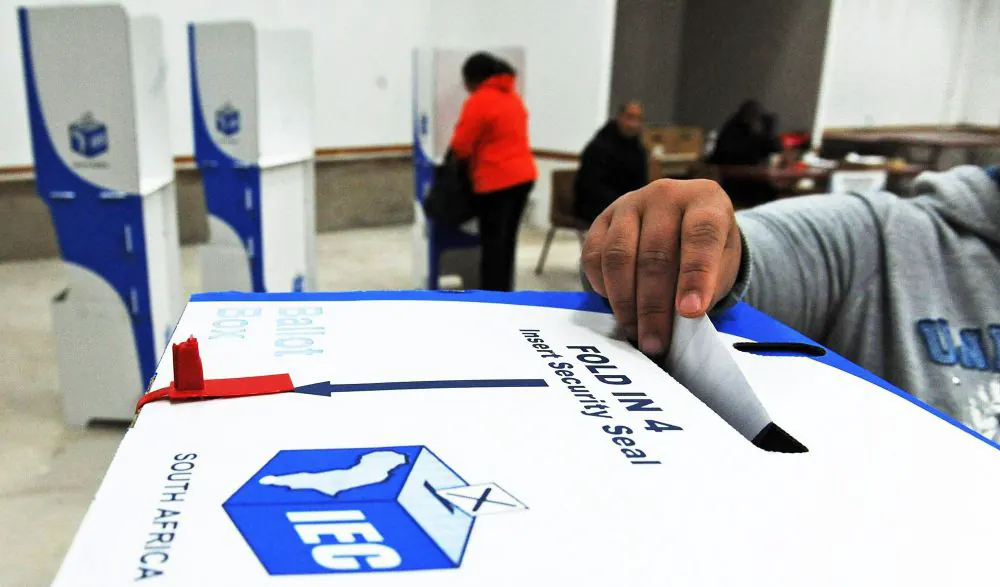
As local government elections approach in South Africa, municipalities are struggling with financial difficulties, casting doubt on promises of improved service delivery. According to the Auditor-General's local government audit findings for the 2024–2025 fiscal year, 174 of the 257 municipalities in the country lack sufficient funds to pay their creditors. This dire financial situation may impact the ability of municipalities to deliver on election promises.
The financial struggles of municipalities are further highlighted by the approval of 116 unfunded budgets. Additionally, 62 municipalities face severe financial difficulties, with 54 disclosing a going-concern uncertainty and eight receiving modified audit opinions for failing to disclose it. In 33 of these municipalities, the problem has persisted for four years or longer. The South African Local Government Association (SALGA) notes that new councils will have to contend with these financial realities when they take over.
SALGA emphasizes that councillors provide political oversight, while municipal administration is responsible for running municipalities. However, the national Treasury's latest state of local government finances report attributes financial challenges to a lack of governance. The report states that weak councils and poor leadership allow this cycle to continue due to poor monitoring and oversight. To recover, municipalities must undergo a fundamental shift in governance, accountability, capacity building, and a strong focus on improving their cash generation capacity.
Economist Dr. Bonke Dumisa notes that new councils will inherit the financial position in place before the election. Councillors will have to pay attention to how municipalities collect money owed to them, control spending, pay creditors, and maintain basic services. Dumisa emphasizes that councillors must deal with the financial situation they inherit, which may not reflect their own policies or priorities.
The national Treasury has stated that municipalities are primarily responsible for resolving their own financial problems. Provinces can provide support and intervene, while Treasury has monitoring and recovery mechanisms in place. In cases of financial crisis, Section 139(5) of the Constitution provides for mandatory provincial intervention, including a financial recovery plan. This framework aims to help municipalities overcome financial difficulties.
Local government expert Professor PS Reddy emphasizes the need for councillors to possess financial literacy to understand and interrogate municipal budgets, financial statements, and technical reports. Councillors lacking these skills should receive necessary training early in their terms. To address this, the Department of Co-operative Governance and Traditional Affairs (CoGTA), SALGA, and the National School of Government are preparing a compulsory councillor induction programme covering governance, financial management, institutional capability, and service delivery.
Further interventions are expected for municipalities after the Cabinet approved the Reviewed White Paper on Local Government last month. CoGTA has outlined a 90-day transition plan and identified reforms to be prioritized during the first 18 months of the new administration. These measures aim to support municipalities in addressing their financial struggles and improving service delivery.
Key points
- 174 municipalities in South Africa face financial struggles, with 116 approving unfunded budgets.
- Weak councils and poor leadership contribute to financial challenges in municipalities.
- Councillors need financial literacy to understand and address municipal financial difficulties.