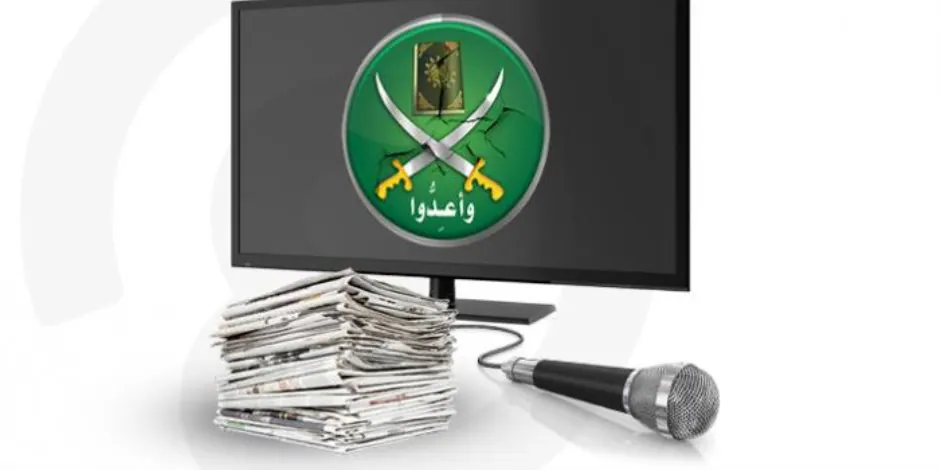
Egyptian media outlets are taking a stand against misinformation by employing fact-checking techniques to verify the authenticity of circulating news. This move comes as manipulated media, often used by groups like the Muslim Brotherhood, attempts to distort public perception. According to Sawt Al-Umma, these groups resort to "recycling archives" – a method involving the reuse of old footage with manipulated timestamps and locations to create a false narrative.
The manipulation often involves editing and concealing timestamps on surveillance camera footage, as seen in the case of Dayrut. Additionally, landmarks are sometimes blurred to mislead viewers into believing the footage is recent. This technique extends to resurrecting entirely old clips, such as a video about the theft of a sewage cover in Asyut, or reviving old conversations from 2015 between a police officer and an individual to project a misleading image of the current situation.
However, these tactics have backfired, revealing what analysts describe as "media bankruptcy." With users becoming increasingly aware and equipped with reverse image search tools, these manipulations are quickly exposed within hours, significantly eroding the credibility of such groups in the eyes of the public.
In response to this visual deception, rapid countermeasures supported by chronological evidence and digital proof have proven effective. Debunking fabricated content now primarily requires presenting the original material along with its documented history, allowing citizens to understand how fake scenes are created and how simple verification can thwart attempts at misinformation before they spread.
Authorities stress that the battle against misinformation requires not only identifying false narratives but also proactively presenting factual information. By doing so, they aim to maintain public trust in legitimate news sources and prevent the spread of manipulated content that could incite unnecessary panic or confusion.
Key to this effort is the role of media outlets like Sawt Al-Umma, which prioritize factual reporting and verification. Their work involves not only reporting news but also actively countering false narratives with evidence, helping to educate the public on the importance of verifying information before accepting it as true.
Moving forward, Egypt's approach to handling misinformation seems to focus on a combination of public awareness and technological tools to verify information. This strategy aims to diminish the influence of manipulative media tactics and foster a more informed public discourse.
Key points
- Egyptian authorities are actively countering misinformation by verifying facts and debunking manipulated media.
- The misuse of old footage with manipulated timestamps and locations is a common tactic used by groups to distort public perception.
- Rapid response with chronological evidence and digital proof has proven effective in debunking fabricated content.