On October 28, 2026, Rwanda's Foreign Minister, Olivier Nduhungirehe, stated in an interview with AFP in Moscow that his country is not responsible for the crisis in the eastern part of the Democratic Republic of Congo (DRC). He emphasized that the situation in the DRC is primarily a Congolese issue, both politically and in terms of security. Nduhungirehe added that Rwanda should not be blamed for the problems in the Congo.
The same day, the US announced new sanctions against Rwanda, targeting the country's Ministry of Defense and Zigama Credit and Savings Society. According to the US Treasury, Zigama facilitated payments for the purchase of arms and ammunition for the Rwandan army and allowed gold from areas controlled by the M23 to be transported to Kigali. The sanctions freeze the assets of the targeted entities under US jurisdiction and prohibit US individuals and companies from engaging with them.
The US sanctions also reflect concerns that Rwanda is supporting the M23, a rebel group operating in the DRC. The US Treasury's Scott Bessent stated that for the sanctions to be lifted, Rwanda must stop supporting the M23 and withdraw its troops from eastern DRC. The US Department of State estimated that thousands of Rwandan soldiers are fighting alongside the M23 in North and South Kivu provinces.
In response to the US sanctions, Rwandan government spokesperson Yolande Makolo called for all parties to be held accountable. She recalled that the Washington agreements include clear commitments, particularly the neutralization of the FDLR militia, which Rwanda claims is supported by the DRC. This stance is consistent with Rwanda's previous reactions to sanctions, which it views as one-sided and misrepresentative of the conflict.
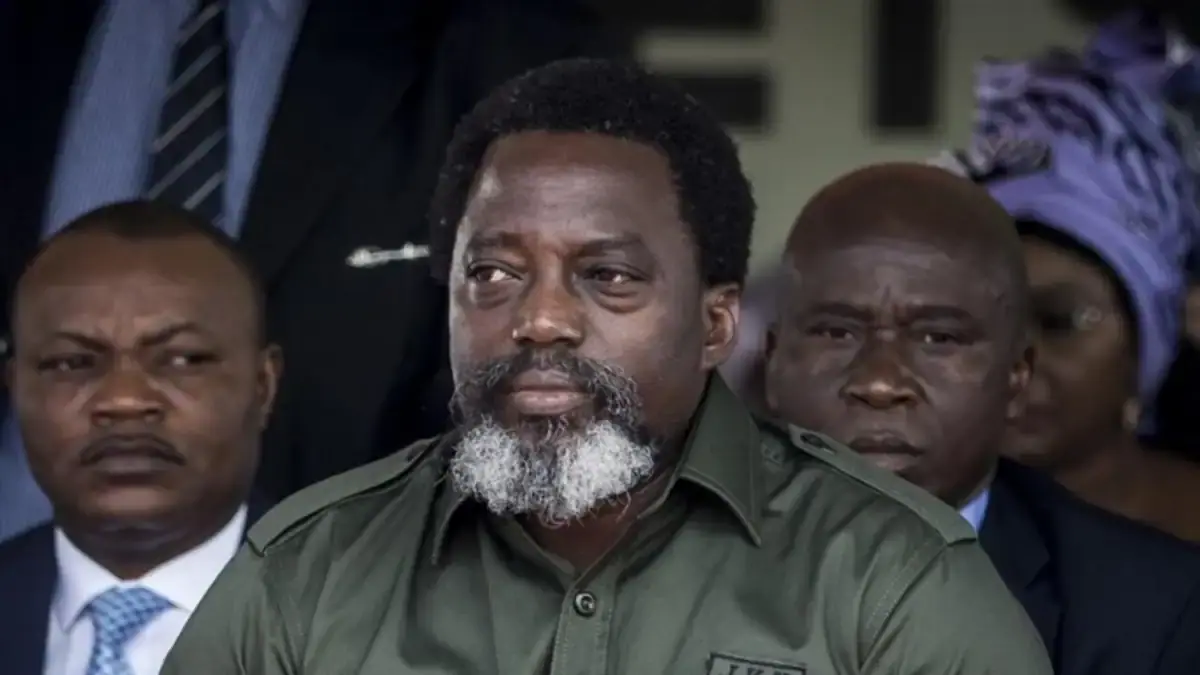
The Rwandan government has consistently denied providing military support to the M23, despite expert reports from the UN suggesting otherwise. The M23's political branch, the Alliance Fleuve Congo, has been succeeded by the Front for the Refoundation of the Nation, announced on October 12. The former Congolese President Joseph Kabila has been presented by Kinshasa as a relay of Rwanda's influence through his rapprochement with the M23.
Nduhungirehe also addressed the issue of Joseph Kabila, stating that this is a political matter to be resolved between the Congolese people. He emphasized that Rwanda will not be held eternally responsible for the problems in the Congo. The Rwandan government maintains that it is committed to finding a peaceful solution to the crisis in eastern DRC.
The US sanctions against Rwanda reflect growing international pressure on the country to address its alleged involvement in the DRC conflict. The situation remains complex, with multiple parties involved and competing narratives about the causes and consequences of the crisis. The international community continues to watch developments in the region closely.
Key points
- The US has imposed sanctions on Rwanda's Ministry of Defense and Zigama Credit and Savings Society over its alleged support for the M23 rebel group in DRC.
- Rwanda's government has denied providing military support to the M23 and called for all parties to be held accountable for the crisis in eastern DRC.
- The crisis in eastern DRC involves complex political and security dynamics, with multiple parties and competing narratives.