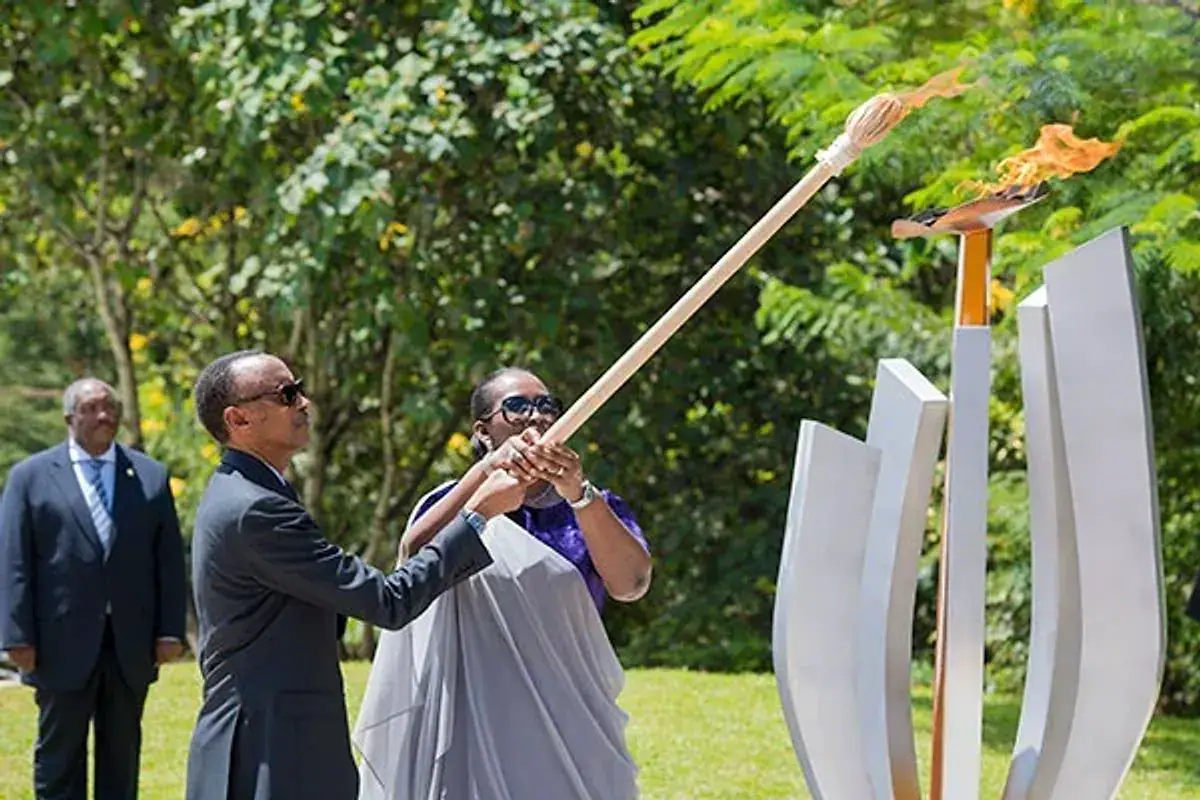
Rwanda is set to begin its commemoration of the 1994 Genocide Against Tutsi, a period that still feels fresh in the minds of survivors. The genocide, which was perpetrated by government-backed militia, left permanent scars on the nation and its people. Many survivors continue to live in the same houses where the killings took place, reliving the horrors of the genocide every day. The trauma and pain of the genocide remain a significant challenge for survivors, who are still seeking justice and healing.
Despite the passage of 29 years, many genocide perpetrators continue to evade justice, with at least 1,094 fugitives still at large. The National Prosecution Authority has highlighted that some countries, including Rwanda's partners, have aided in the evasion of justice. Countries like France, whose role in the genocide is well-documented, have provided a safe haven for masterminds of the genocide. This has made it difficult for survivors to find closure and for justice to be served.
The delayed justice has had severe consequences, with some survivors feeling that their perpetrators could return to finish them off. The children of some masterminds of the genocide are now resuming the work of their parents, promoting hatred and propagating genocide denial ideology. This trend is concerning, as it threatens to undermine the progress made towards healing and reconciliation.
The case of Felicien Kabuga, a key mastermind of the genocide, highlights the challenges of bringing perpetrators to justice. Kabuga was arrested too late, and the court deemed him unfit to stand trial due to his failing health. This was a blow to many survivors who had regained hope that justice would finally be served. The lack of justice for Kabuga and others has left many survivors feeling frustrated and disillusioned.
Many survivors have died before getting justice, while those still alive continue to be haunted by the trauma of the genocide. President Paul Kagame has acknowledged the importance of survivors, stating that they have something to give. Indeed, many survivors have forgiven those who killed their families, raped them, and left them for dead. However, forgiveness has not brought closure for many, and the commemoration period remains a difficult time for survivors.
The genocide against the Tutsi is not an isolated incident, as acts of senseless killings and violence continue to occur around the world. The commemoration period serves as a reminder of the importance of promoting tolerance, understanding, and justice. As Rwanda begins its commemoration, it is essential to acknowledge the ongoing struggles of survivors and to provide them with the support they need.
As the commemoration period begins, Rwandans and the international community are urged to be close to survivors, lending them an ear and encouraging them. This is the least that can be done to support those who went through the horrors of the genocide and survived. By doing so, we can help create a more compassionate and just society, where survivors can find healing and closure.
Key points
- At least 1,094 genocide fugitives are still at large, having evaded justice 29 years after the 1994 Genocide Against Tutsi.
- Countries like France have provided a safe haven for masterminds of the genocide, aiding in the evasion of justice.
- Many survivors continue to live with lifelong trauma, reliving the horrors of the genocide every day, and are seeking justice and healing.