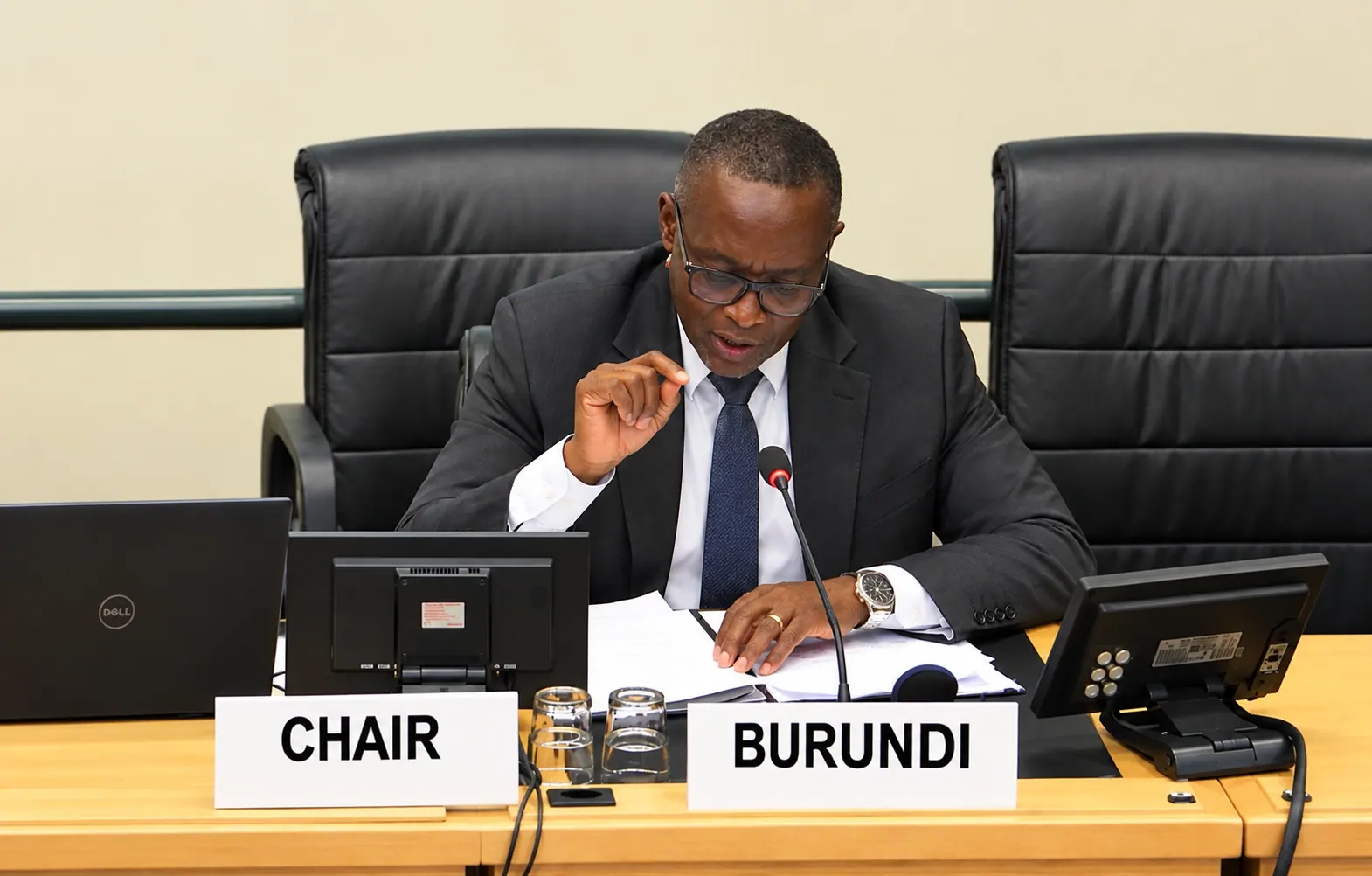
A recent diplomatic spat between Rwandan Foreign Minister Olivier Nduhungirehe and his Burundian counterpart Édouard Bizimana has highlighted the complex security dynamics in the Great Lakes region. The disagreement centers on the FDLR rebel group, which has been a thorn in the side of regional stability for years. While Nduhungirehe emphasizes the group's threat to regional security, Bizimana has downplayed its significance, calling it a mere "pretext" for other interests.
The FDLR has been a longstanding concern for regional and international authorities, who have designated it as a security threat. The group has been accused of involvement in various human rights abuses and has been subject to sanctions from the United Nations. Despite this, Bizimana's comments have sparked debate about the group's true significance and the motivations behind his statements. As the current chair of the African Union's Executive Council, Bizimana's views carry significant weight.
The FDLR's history dates back to the 1990s, when it was formed by Hutu extremists responsible for the Rwandan genocide. The group has been accused of operating in the Democratic Republic of Congo (DRC) and has been linked to various armed groups in the region. In 2004, the UN Security Council imposed an arms embargo on the group, and subsequent resolutions have maintained these sanctions.
Bizimana's comments have been met with skepticism by some, who point to evidence of the FDLR's continued involvement in regional conflicts. A recent report by the UN Group of Experts on the DRC highlighted the group's ongoing activities and its links to other armed groups in the region. The report also noted that the FDLR has received support from some individuals in Burundi and DRC.
The FDLR's significance extends beyond its own activities, as it has become a focal point in regional politics. The group's status has been used as a bargaining chip in diplomatic relations between Rwanda and DRC. The two countries have a complex history, and the FDLR has been a point of contention in their relations. Rwanda has long accused DRC of harboring the group, which it sees as a threat to its security.
The Washington agreement, signed in June 2025, aimed to address the security concerns of both Rwanda and DRC. The agreement included a commitment from DRC to dismantle the FDLR, while Rwanda pledged to withdraw its defensive measures along the border. However, Bizimana's comments have raised questions about the Burundian government's commitment to addressing the FDLR's activities.
The African Union has a critical role to play in addressing the FDLR's activities and promoting regional stability. As the chair of the AU's Executive Council, Bizimana has a responsibility to ensure that the organization takes a proactive and coordinated approach to addressing the group's activities. The international community is watching closely, as the FDLR's continued presence in the region poses a significant threat to peace and stability.
Key points
- FDLR's significance in regional politics and security dynamics.
- Diplomatic spat between Rwandan and Burundian ministers over FDLR.
- AU's role in addressing FDLR's activities and promoting regional stability.