The global AI boom has led to a surge in demand for electricity, causing data centre developers to seek alternative power sources. With manufacturers unable to keep up with demand, developers are turning to used gas turbines, retired generating equipment, and even aircraft engines to generate electricity. This trend is driven by the need to avoid lengthy delivery waits for new turbines, which can take up to six years to arrive in the US.
According to energy consultancy Wood Mackenzie, global gas turbine orders have exceeded 100 gigawatts, while manufacturers can currently produce an estimated 60-70 gigawatts annually. This shortage threatens to slow AI projects, even after developers have secured investment, computing equipment, and suitable sites. Servers cannot operate without electricity, and a company that finishes constructing a data centre before securing enough power may struggle to put the investment to work.
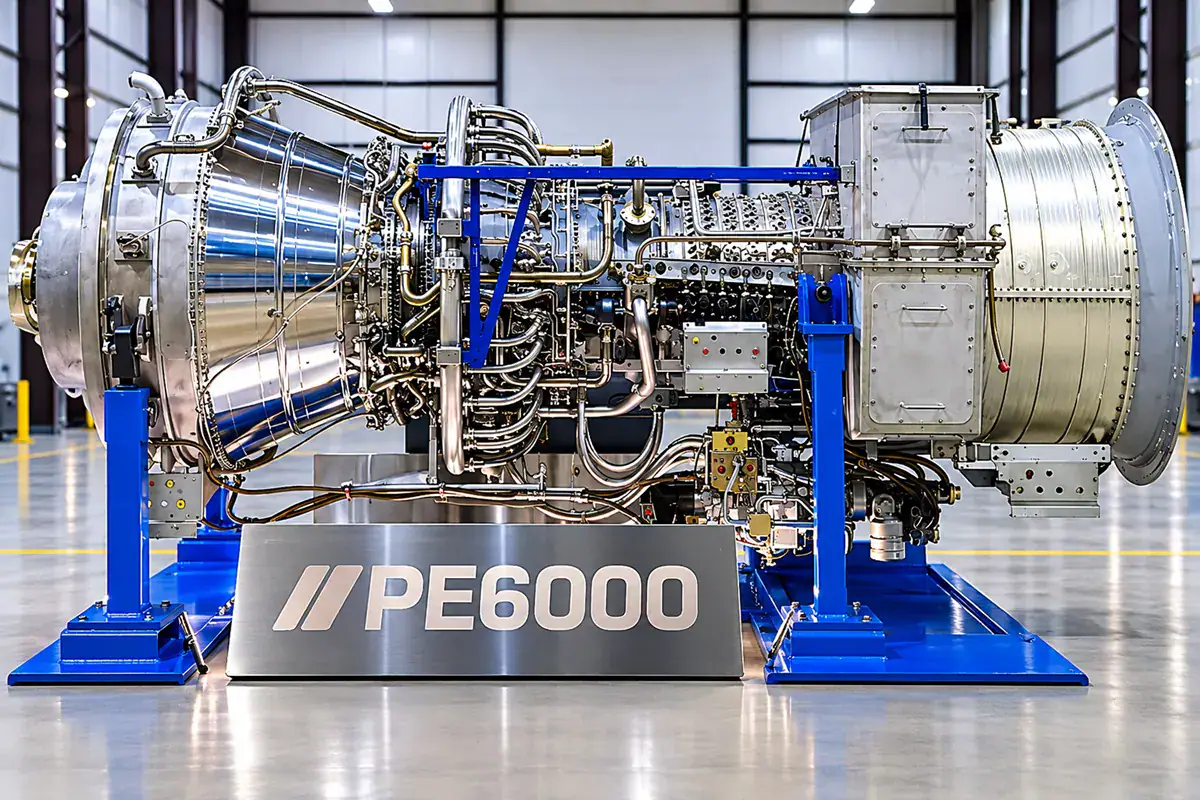
One company, ProEnergy, has developed a system that rebuilds retired aircraft engines into stationary gas turbines. Its PE6000 system uses a General Electric CF6-80C2 engine core, commonly used in commercial aircraft like the Boeing 747 and 767. These modified engines can produce approximately 48-50 megawatts of electricity, depending on their configuration. AI infrastructure developer Crusoe has ordered 13 of these turbines, securing a combined capacity of 650 megawatts for its American data centre projects.
The use of retired aircraft engines and refurbished industrial turbines offers developers a faster route to electricity, but it also introduces practical problems. Engineers must assess the condition of older equipment, determine how much operating life remains, and secure replacement parts. Additionally, systems originally built for different purposes may require modifications before they can support continuous electricity generation.
The demand for used turbines has pushed prices higher, with well-maintained units costing around $1.5-1.7 million per megawatt, compared to $2-2.5 million for new machines. Refurbished units can cost around $1.3 million per megawatt, although prices vary depending on condition, capacity, and required work. One equipment dealer reported selling two used 14.5-megawatt turbines for $12.5 million, a significant discount from the $35 million cost of comparable new equipment.
The shortage of new turbines has also opened opportunities for manufacturers offering alternative technology. Finland's Wärtsilä reported approximately three gigawatts of orders from American data centres for power-generating gas engines since spring 2025. Traditional utilities now compete with AI developers for some of the same equipment, which could make expansion more expensive for electricity suppliers serving households, factories, and other businesses.
The global rush to secure power sources has implications for countries seeking to develop AI infrastructure. Nigeria, for example, wants to attract more investment into data centres and digital services, but electricity reliability is already a concern. As the demand for AI infrastructure continues to grow, countries will need to find innovative solutions to meet their power needs, balancing the need for reliable electricity with environmental and economic considerations.
Key points
- Data centre developers are turning to used gas turbines and retired aircraft engines to generate electricity due to the global AI boom outstripping manufacturers' production capacity.
- The shortage of new turbines has driven up prices, with used turbines costing around $1.5-1.7 million per megawatt.
- The trend has implications for countries seeking to develop AI infrastructure, including Nigeria, which must balance the need for reliable electricity with environmental and economic considerations.