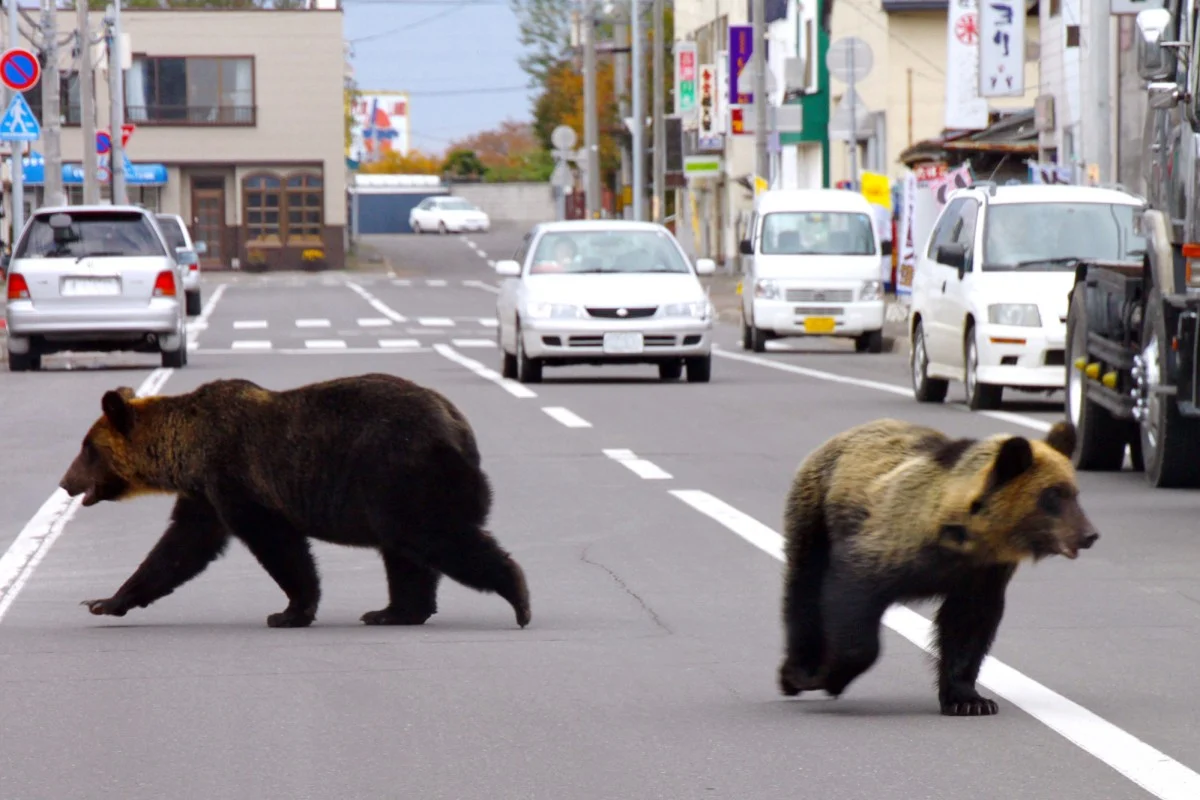
Russia is set to implement new measures to control its growing brown bear population following a series of attacks that have killed at least 22 people across the country. The proposed measures include reviewing hunting quotas and setting regional limits on bear populations. Local authorities will also be given additional powers to manage bear numbers. The goal is to ensure humans and animals can coexist safely.
Russia's brown bear population has more than doubled over the past 30 years to approximately 308,000. Shorter and milder winters have partly contributed to the increase. Deputy Prime Minister Dmitry Patrushev stated that the growing bear population has created increasing challenges for communities living near wildlife habitats. He emphasized the need for systemic measures to maintain a balance between humans and animals.
The proposed intervention follows several deadly incidents in different parts of the country. A 23-year-old man gathering berries was recently killed by a bear in Kamchatka, in Russia's Far East. A woman in Siberia was mauled to death in her garden the previous week. Investigators in Krasnoyarsk have opened a criminal case involving the regional environment ministry over alleged negligence linked to the deaths of seven people in bear attacks in September.
The Siberian region of Krasnoyarsk is home to nearly 27,000 bears. Another high-profile incident occurred in the Altai region in August when a bear attacked two tourists inside their tent. The animal dragged a 29-year-old woman from the tent, killed her, and buried her in the forest. These incidents have raised concerns about public safety and wildlife management.
Experts have linked the increase in encounters between bears and humans to environmental conditions and human behavior. Milder winters and changes in food availability may force bears to search for food closer to populated areas. Leaving food waste in accessible places can also attract the animals, while ignoring safety precautions may increase the risk of encounters.
However, Russia's Environment Ministry has played down suggestions that bear attacks have become unusually frequent nationwide. The ministry reported that around 20 to 30 cases of bear attacks have been recorded annually in recent years. The only abnormal spike was in 2014, when there were 166 cases. The ministry attributes the perception of increased bear attacks to the widespread use of smartphones and social media.
The government is expected to consider the proposed measures as authorities seek to address public safety concerns while managing the country's wildlife population. The measures aim to balance the needs of local communities and wildlife conservation.
Key points
- Russia's brown bear population has more than doubled over the past 30 years to approximately 308,000.
- At least 22 people have been killed in bear attacks across Russia.
- The government plans to review hunting quotas and give local authorities additional powers to manage bear numbers.