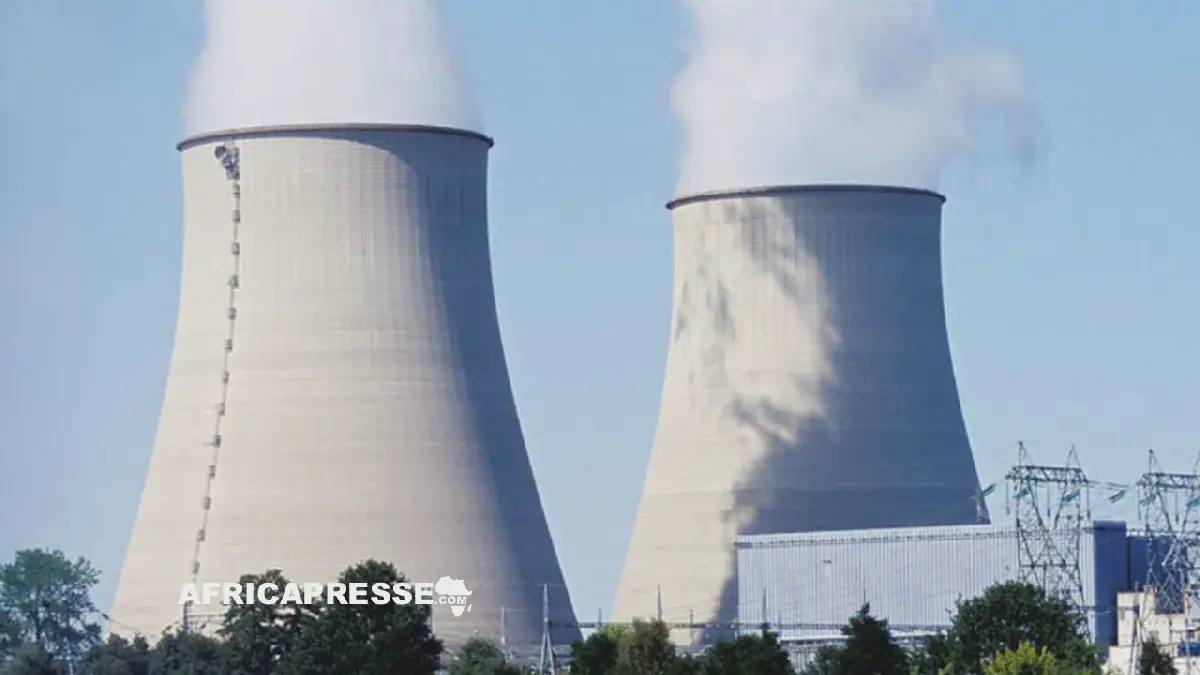
Africa is seeking to develop its nuclear energy capabilities, with Russia emerging as a key partner in this endeavor. Through its state-owned nuclear corporation, Rosatom, Russia is providing financing and technical expertise to several African countries. The Egyptian nuclear power plant project at El Dabaa is a notable example, with four reactors expected to be operational by 2030. This project is being financed largely through a Russian state loan of $25 billion.
The El Dabaa project is significant not only for its size but also for its financing model, which is rare on the African continent. The project has a estimated cost of $28.75-30 billion, with Russia providing around 85% of the funding. This level of financing is unusual, as Western financial institutions have been hesitant to invest in nuclear projects in Africa. Rosatom's ability to provide such financing is seen as a major advantage for African countries seeking to develop their nuclear capabilities.
Several African countries are seeking to develop their nuclear energy capabilities, with varying degrees of progress. Rwanda, for example, is planning to develop small modular reactors (SMRs) and aims to generate 1,500 megawatts of nuclear power by 2050. The country has signed an agreement with Rosatom to evaluate its infrastructure and establish a nuclear science and technology center. Ethiopia, on the other hand, is seeking to diversify its electricity mix, which is currently dominated by hydroelectric power.
The Niger, which is the largest producer of uranium on the continent, is also seeking to develop its nuclear capabilities. The country is negotiating with Russia to develop two reactors with a combined capacity of 2,000 megawatts. This project would not only provide electricity but also enable the Niger to add value to its uranium resources. Russia's involvement in these projects is seen as a strategic move to increase its influence in Africa.
Russia's engagement with Africa on nuclear energy is part of a broader geopolitical strategy. Since the first Russia-Africa summit in 2019, Rosatom has signed cooperation agreements with over 20 African countries. For Russia, these partnerships provide a way to increase its influence in Africa and counterbalance Western sanctions imposed over the conflict in Ukraine. For African countries, Russia's offer of financing and technical expertise is attractive.
Despite the progress made, there are still significant challenges to overcome. The third Russia-Africa summit, held in October 2026, did not result in any firm construction contracts or timelines for projects in countries such as Ghana, Ethiopia, and Uganda. The Ghanaian project, for example, is still in the negotiation stage, with the country also exploring options with Chinese and American partners.
The financing of nuclear projects remains a major challenge for Africa. The continent is not attracting a significant share of global energy investments, and multilateral financial institutions have only recently begun to relax their stance on nuclear financing. The World Bank lifted its ban on financing nuclear projects in 2025, which was welcomed by proponents of nuclear energy in Africa. However, the demand for electricity in Africa is expected to triple by 2050.
Key points
- Russia is providing significant financing and technical expertise to African countries seeking to develop their nuclear energy capabilities.
- Several African countries, including Rwanda, Ethiopia, and the Niger, are making progress in developing their nuclear energy capabilities.
- Despite the progress made, there are still significant challenges to overcome, including financing and regulatory hurdles.