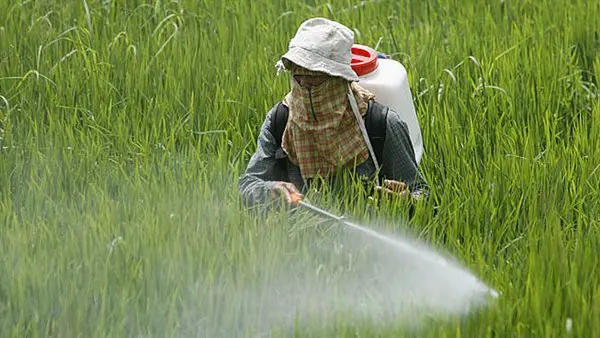
The issue of pesticide residues in Egyptian produce has raised concerns about food safety. The use of pesticides in agriculture can lead to residues on fruits and vegetables, which can pose health risks to consumers. According to the International Union of Pure and Applied Chemistry, 161 active substances have been banned in Egypt, but are still present in the country. These substances have been linked to various health problems, including cancer, neurological damage, and reproductive issues.
The Egyptian government has implemented regulations to control the use of pesticides and monitor their residues in produce. The Ministry of Agriculture and Land Reclamation is responsible for registering pesticides and monitoring their use. However, the enforcement of these regulations has been criticized as inadequate. Experts argue that more needs to be done to ensure that pesticides are used safely and that residues are minimized.
One of the key challenges in addressing pesticide residues is the lack of effective monitoring and enforcement. The Egyptian government has established a system for monitoring pesticide residues, but it is not comprehensive. The system relies on sampling and testing of produce, but it does not cover all types of produce or all regions of the country. As a result, many pesticide residues go undetected.
The use of banned pesticides has been linked to health problems in Egypt. In 2020, the Egyptian Ministry of Health reported a significant increase in cases of pesticide poisoning. The ministry attributed the increase to the use of banned pesticides in agriculture. The long-term effects of exposure to pesticide residues are also a concern, as they can accumulate in the body and cause chronic health problems.
Experts have called for stricter regulations and more effective enforcement to address the issue of pesticide residues. They argue that the government needs to take a more proactive approach to monitoring and controlling pesticide use. This includes providing training and education to farmers on safe pesticide use and enforcing penalties for non-compliance.
The problem of pesticide residues in Egyptian produce is not limited to domestic consumption. Egyptian produce is also exported to other countries, where it is subject to stricter regulations and testing. In 2020, several shipments of Egyptian produce were rejected by European countries due to high levels of pesticide residues. This has had a negative impact on Egypt's agricultural exports and economy.
To address the issue of pesticide residues, Egypt needs to adopt a comprehensive approach that involves all stakeholders, including farmers, regulators, and consumers. This includes promoting integrated pest management practices, providing training and education to farmers, and enforcing regulations. Additionally, the government needs to invest in monitoring and testing infrastructure to ensure that pesticide residues are detected and controlled.
Key points
- The presence of 161 banned pesticide substances in Egypt poses significant health risks to consumers.
- Inadequate monitoring and enforcement of pesticide regulations have contributed to the problem of pesticide residues in Egyptian produce.
- A comprehensive approach involving all stakeholders is needed to address the issue of pesticide residues in Egyptian produce.